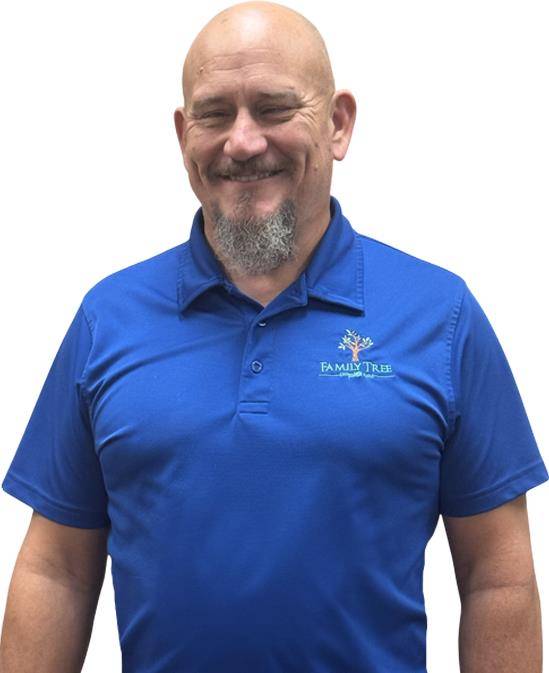

Failed back surgery syndrome affects 10-40% of patients who undergo spinal surgery, leaving them with continued or worse pain despite successful surgical procedures. At Family Tree Chiropractic in Oklahoma City, Dr. Micah Carter specializes in treating these complex cases using spinal decompression, chiropractic care, and comprehensive rehabilitation to address the underlying problems surgery couldn’t fix. Many patients find significant relief within 8-12 weeks without additional surgical intervention.
What Is Failed Back Surgery Syndrome?
Failed back surgery syndrome (FBSS) describes ongoing or new pain after spine surgery. The surgery itself might have been technically successful, but you’re still hurting. Sometimes the pain is in the same location. Sometimes it’s worse than before surgery. Sometimes new pain develops.
This condition is more common than most people realize. Depending on the type of surgery, 10-40% of patients experience persistent or recurrent pain. The more surgeries you’ve had, the higher your risk of developing FBSS.
The term “failed” is actually misleading. Often the surgery accomplished what it was supposed to do from a structural standpoint. But pain is complex, involving more than just structural problems. Multiple factors contribute to ongoing pain after surgery.
Common Causes of Continued Pain After Surgery
Scar Tissue Formation
Surgery creates scar tissue as part of the healing process. But excessive scar tissue can bind to nerves, creating chronic pain and restricting movement. This is called epidural fibrosis.
Scar tissue doesn’t show up on most imaging studies, so doctors often miss it as a pain source. The nerve gets trapped in scar tissue, causing pain that mimics the original problem.
Adjacent Segment Disease
When one level of your spine gets fused, the segments above and below take on extra stress. Over time, these adjacent segments degenerate faster than they normally would.
You might have successful fusion surgery that fixes your original problem, only to develop new disc problems at adjacent levels within a few years. This creates new pain that requires addressing the newly affected segments.
Incomplete Nerve Decompression
Sometimes surgery doesn’t fully relieve pressure on the affected nerve. A small portion of herniated disc material might remain. Bone spurs might not be completely removed. The nerve stays compressed despite surgery.
Surgical decompression also doesn’t address muscle spasms, inflammation, or other soft tissue problems that contribute to nerve compression. These factors can maintain pain even after structural issues are addressed.
Muscle Weakness and Imbalance
Back surgery involves cutting through muscles to reach the spine. This damages muscle tissue and disrupts normal function. Without proper rehabilitation, these muscles remain weak and imbalanced.
Weak, imbalanced muscles can’t properly support your spine. This creates abnormal stress patterns that cause pain and potentially damage other spinal structures. The original surgical site might be fine, but everything around it hurts.
Why I Specialize in Difficult Cases
In my 23 years treating patients in Oklahoma City, I’ve found that I most enjoy treating the most difficult cases. When someone has been suffering for years, tried everything including surgery, and nothing worked, that’s when I can see the greatest improvement.
Failed back surgery syndrome is exactly this type of challenging case. These patients have been through the medical system. They’ve had imaging, injections, surgery, physical therapy. They’re frustrated, often depressed, and worried they’ll never get better.
That’s where comprehensive conservative care shines. We address all the factors contributing to ongoing pain, not just the structural problem that surgery tried to fix.
Non-Surgical Treatment Options
Spinal Decompression Therapy
Spinal decompression gently stretches your spine to reduce pressure on compressed nerves. This is particularly effective for FBSS patients who have scar tissue compressing nerves or adjacent segment disease.
The decompression creates negative pressure in your discs, allowing them to rehydrate and heal. It also gently breaks up adhesions from scar tissue without surgical intervention.
Most FBSS patients need 20-30 decompression sessions over 8-12 weeks. Results are gradual but often dramatic. I’ve had patients who thought their only option was more surgery avoid additional operations through decompression therapy.
Chiropractic Adjustments
Chiropractic care addresses spinal misalignments that developed or persisted after surgery. Even successful fusion surgery can leave other spinal segments misaligned.
Adjustments restore proper motion to spinal segments that became restricted compensating for your surgical site. This reduces pain from compensatory problems and improves overall spinal function.
I use gentle, specific adjustment techniques appropriate for post-surgical patients. We’re not adjusting fused segments, but addressing the dysfunctional areas above and below the surgical site.
Cold Laser Therapy
Cold laser therapy accelerates healing and reduces inflammation at the cellular level. For FBSS patients, this helps with scar tissue, muscle inflammation, and nerve irritation.
The low-level laser penetrates deep into tissue, stimulating cellular repair processes. It’s completely painless and works synergistically with other treatments.
Many FBSS patients have chronic inflammation that perpetuates pain even after structural healing. Cold laser addresses this inflammatory component effectively.
The R.E.S.T.O.R.E. Method for FBSS
Our R.E.S.T.O.R.E. Method is particularly effective for failed back surgery syndrome. These complex cases need comprehensive care addressing multiple contributing factors.
We start by reducing your pain as quickly as possible through decompression, adjustments, and laser therapy. Many FBSS patients see 30-40% pain reduction within the first 2-3 weeks.
Then we release chronically tight muscles through massage therapy and specific stretches. Post-surgical patients often have severe muscle guarding and spasm that maintains pain.
Rebuilding Strength and Function
Strengthening weak muscles is critical for FBSS recovery. Core muscles, in particular, need rebuilding after back surgery. Strong core muscles reduce stress on your spine and prevent future problems.
We use progressive resistance exercises customized for post-surgical patients. The goal is building functional strength that supports your spine during daily activities.
Neuromuscular re-education retrains your brain-muscle connection. After surgery and prolonged pain, your nervous system develops abnormal movement patterns. We retrain proper patterns so your body moves correctly.
Realistic Expectations and Timeline
FBSS is one of the more challenging conditions to treat. Realistic expectations are important. Most patients see significant improvement, but reaching pre-injury function isn’t always possible.
Treatment typically takes 12-16 weeks for substantial improvement. This is longer than treating patients who haven’t had surgery because we’re dealing with scar tissue, muscle damage, and chronic compensation patterns.
Some patients achieve 70-80% pain reduction and consider that a huge success after years of suffering. Others reach 90% improvement and return to most activities. Each case is individual.
What Success Looks Like
Success for FBSS patients often means getting back to activities they thought they’d never do again. Walking without constant pain. Sleeping through the night. Playing with grandchildren. Returning to work.
Complete elimination of all pain isn’t realistic for everyone, especially after multiple surgeries. But significant functional improvement and acceptable pain levels allow most patients to reclaim their lives.
I measure success by how much your life improves, not just pain scale numbers. Can you do things you couldn’t do before? Is your quality of life better? That’s what matters.
Why Additional Surgery Often Isn’t the Answer
Many FBSS patients are offered additional surgery. Sometimes this is appropriate. But often it creates more problems than it solves.
Each surgery creates more scar tissue. Each fusion reduces spinal mobility further, increasing stress on adjacent segments. The success rate of revision spine surgery is lower than first surgeries.
Before committing to more surgery, giving comprehensive conservative care a proper trial makes sense. You can always choose surgery later if conservative treatment fails. But you can’t undo surgery if it doesn’t work.
Second Opinions Matter
If you’re being told you need another surgery, get a second opinion from a spine specialist who doesn’t perform surgery. Surgeons naturally see surgical solutions. Conservative care specialists offer different perspectives.
We work with several excellent spine surgeons in Oklahoma City. When surgery truly is the best option, I refer patients. But I also prevent unnecessary surgeries by showing patients what conservative care can accomplish.
Psychological Aspects of FBSS
Chronic pain after failed surgery often leads to depression, anxiety, and catastrophic thinking. You did everything you were supposed to do. You had surgery. And you’re still hurting. That’s incredibly frustrating and scary.
Addressing the psychological component is part of comprehensive FBSS treatment. As physical function improves and pain decreases, mental health typically improves too. Hope returns when you see measurable progress.
Some patients benefit from concurrent counseling or pain psychology services. Chronic pain creates real changes in how your nervous system processes pain signals. Cognitive behavioral therapy helps retrain these patterns.
Real FBSS Patient Success Stories
I treated a patient who’d had two failed fusion surgeries. She was in constant pain, couldn’t work, and was being told she needed a third surgery. She came to me as a last resort before committing to more surgery.
We used spinal decompression for adjacent segment disc problems, addressed severe muscle imbalances, and worked on rebuilding core strength. After 14 weeks, her pain dropped from an 8-9 to a 3-4. She returned to work and decided against the third surgery.
Another patient had successful microdiscectomy surgery but developed severe scar tissue around the nerve root. His leg pain actually got worse after surgery. Epidural injections provided only temporary relief.
Decompression therapy gently broke up the scar tissue adhesions. Combined with laser therapy and specific exercises, his pain reduced by 70% over three months. He avoided the revision surgery his surgeon recommended.
Medical Documentation and Legal Considerations
Many FBSS patients have ongoing workers’ compensation claims or personal injury cases. Comprehensive documentation of your condition and treatment is critical.
We provide detailed treatment notes, progress reports, and functional assessments that document your improvement. This documentation supports disability claims, legal cases, or insurance appeals.
I’ve worked with numerous attorneys representing FBSS patients. They refer cases to us because our thorough documentation and objective outcome measures support their clients’ claims.
Prevention of Future Problems
Once we get you improved, preventing future deterioration becomes the focus. Your spine has been through trauma from injury and surgery. Ongoing maintenance care helps prevent new problems.
Most FBSS patients benefit from periodic maintenance treatments even after completing intensive care. Monthly or every-other-month decompression sessions and adjustments keep things functioning well.
Continue home exercises indefinitely. The core strengthening and flexibility work we do during treatment needs to become a permanent part of your routine. Strong, balanced muscles protect your spine from further injury.
Working with Your Medical Team
We coordinate care with your surgeon and other providers. If you’re taking medications for pain management, we communicate progress with your prescribing physician.
Sometimes conservative care allows patients to reduce pain medication dosages. This should always be done under medical supervision. Never change medication dosages without consulting your prescribing doctor.
If imaging studies are needed to assess your condition, we coordinate with radiologists. Clear communication among all providers ensures coordinated, effective care.
Insurance and Financial Considerations
Most insurance plans cover chiropractic care and spinal decompression for FBSS when it’s medically necessary. We verify coverage before starting treatment and provide accurate cost estimates.
Workers’ compensation and personal injury cases typically cover comprehensive treatment for FBSS. We have extensive experience working with these payers and handle all necessary documentation.
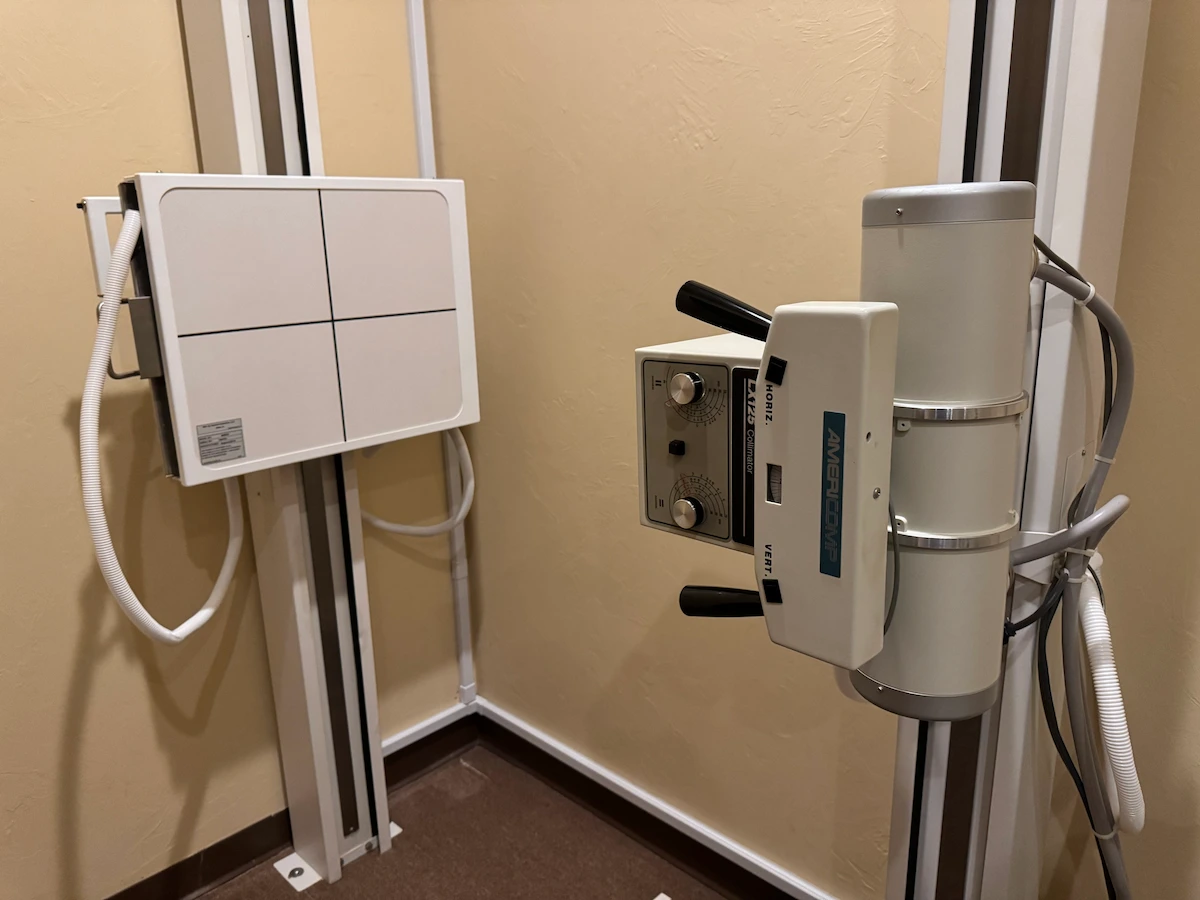
Our $49 new patient special gives you comprehensive evaluation so we can determine if our approach is right for your specific situation. This includes consultation, examination, X-rays if needed, first treatment, and detailed report of findings.
Why Choose Family Tree Chiropractic
I specifically enjoy treating difficult cases like FBSS because that’s where I see the greatest patient improvement. When conventional medicine has failed, comprehensive conservative care often succeeds.
With my Advanced Competency in Whiplash and Brain Traumatology from the Spine Research Institute and certification in Spinal Trauma from the International Chiropractors Association, I bring specialized expertise to complex spinal problems.
We have all treatment modalities under one roof. Spinal decompression, chiropractic adjustments, cold laser therapy, therapeutic massage, and rehabilitation exercises. Everything is coordinated for optimal results.
Taking the Next Step
If you’re still in pain after back surgery, you have options beyond more surgery or pain medication. Comprehensive conservative care addresses the factors maintaining your pain.
Your first visit includes thorough evaluation of your post-surgical condition. We review your surgical records, assess current function, and identify all factors contributing to ongoing pain.
On your second visit, I provide a detailed treatment plan with realistic expectations. You’ll understand exactly what we can do and what timeline to expect. No false promises, just honest assessment based on examination findings.
Don’t give up hope if surgery didn’t solve your back pain. Call Family Tree Chiropractic at (405) 340-4400 to schedule your evaluation with Dr. Carter. We’ll assess your failed back surgery syndrome and create a comprehensive treatment plan. Visit our contact page to book online.