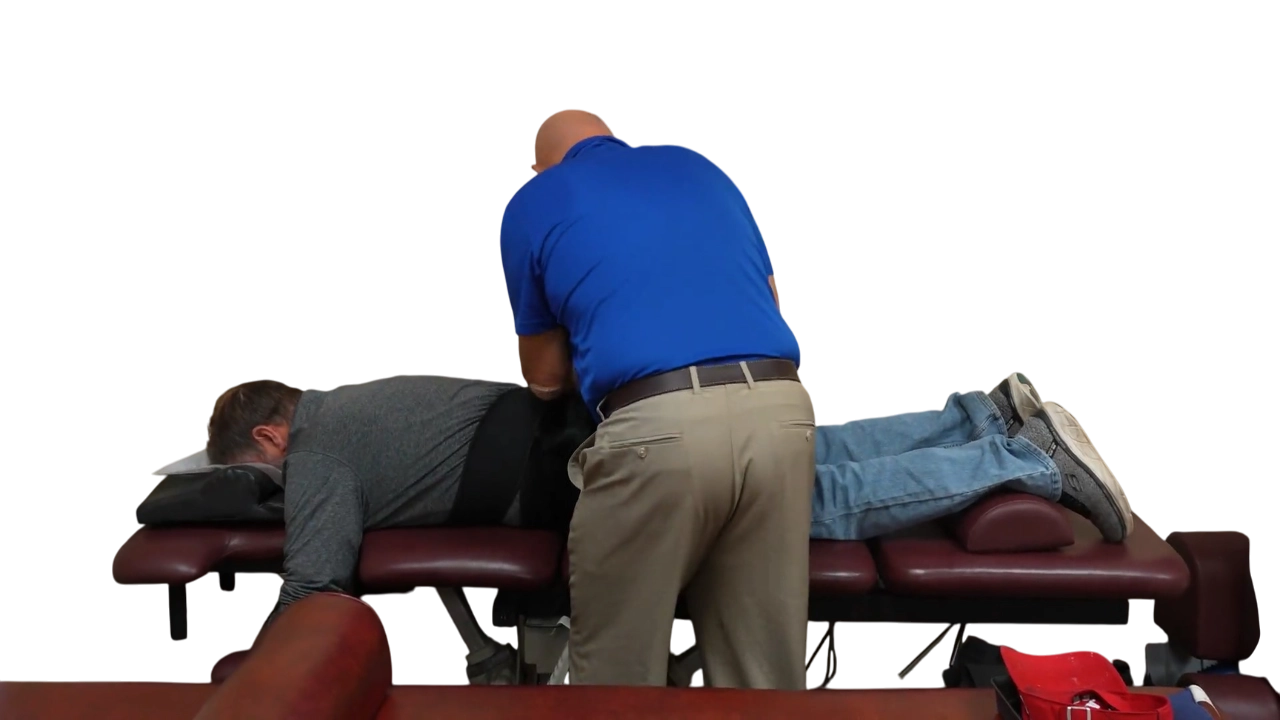
If your lower back pain keeps coming back, it’s almost always because the root cause was never actually addressed. Rest, medication, and waiting it out can calm a flare-up, but they don’t fix the underlying problem, so the pain returns the next time you bend, lift, or sit too long. Breaking that cycle means identifying what’s really driving the recurrence and correcting it, which is exactly the approach we take here in Oklahoma City.
The Frustrating Cycle You Probably Know Well
It usually goes something like this. Your back starts hurting. You rest, maybe take some anti-inflammatories, and after a week or two the pain settles down. You get back to normal life. Then weeks or months later, you bend over to pick something up, or you sit through a long drive, and the pain comes roaring back.
You repeat the cycle. Rest, recover, relapse. Each time, you assume you just tweaked it again. But here’s the truth I share with patients in my Oklahoma City practice: if your back pain keeps returning, you’re not having bad luck. You have an unaddressed root cause that’s still there, waiting for the next trigger.
After 23 years of treating back pain, I can tell you the recurring pattern is one of the most common things I see, and it’s also one of the most fixable, once you understand what’s actually going on.
Why Pain Relief Isn’t the Same as a Fix
Most conventional approaches to back pain focus on relieving the symptom. Pain medication dulls the pain signals. Muscle relaxers reduce the spasm. Rest takes the load off. All of these can make you feel better temporarily.
But none of them change what caused the pain in the first place. If your back pain came from a spinal joint that isn’t moving properly, a muscle imbalance, or a disc under stress, then dulling the pain doesn’t address any of that. The underlying dysfunction is still there. You feel better because the symptom quieted down, not because the problem went away.
This is the central issue. Pain is a signal, not the disease itself. When you silence the signal without fixing what it was pointing to, the problem continues developing quietly until something triggers another flare-up.
The Real Reasons Back Pain Keeps Returning
Spinal Joint Dysfunction
When the small joints of your spine aren’t moving properly, the surrounding area compensates and gets overloaded. A flare-up settles when inflammation drops, but the joint is still stuck. The next time you load it the wrong way, the pain returns. Until that joint moves properly again, you stay vulnerable.
Muscle Imbalances
This is one of the biggest hidden drivers of recurring back pain. When certain muscles are chronically tight and others are weak, your spine doesn’t get the support it needs. Your deep core stabilizers, in particular, are meant to protect your lower back during movement. When they’re not doing their job, every bend and lift puts excess stress on your spine. You can rest all you want, but the imbalance remains.
Disc Issues Under the Surface
Sometimes recurring back pain involves a disc that’s compromised but not severely enough to cause constant pain. It flares when stressed, settles when rested, and flares again with the next trigger. Without addressing the disc and the mechanics around it, this pattern continues. Our post on herniated disc treatment covers how we handle disc-related back pain.
Movement Patterns and Habits
How you sit, stand, lift, and move throughout the day either supports your spine or stresses it. If your daily movement patterns are part of what’s causing the problem, then no amount of rest will fix it, because you go right back to those same patterns the moment you feel better.
How We Break the Cycle at Family Tree Chiropractic
Breaking a recurring back pain cycle requires a different approach than just managing flare-ups. It requires finding and fixing the root cause, then making sure the fix holds. This is the foundation of the R.E.S.T.O.R.E. Method we use in our Oklahoma City clinic.
Step One: Find the Actual Cause
We do not guess. We test. Before any treatment, we do a comprehensive evaluation including a detailed history, orthopedic and neurological testing, movement assessment, muscle testing, and on-site digital X-rays when indicated. The goal is to identify exactly what’s driving your recurring pain, not just where it hurts.
Step Two: Relieve the Pain and Restore Function
Once we know the cause, we address it. For most patients, this involves back pain treatment through chiropractic adjustments that restore proper movement to the dysfunctional spinal joints, along with therapies like cold laser and massage to reduce inflammation and release tight muscles. For disc-related cases, spinal decompression takes pressure off the affected disc and supports healing.
Step Three: Correct and Strengthen So It Lasts
This is the step that breaks the cycle, and it’s the step most other approaches skip entirely. After the pain is under control and function is restored, we work on the muscle imbalances that made you vulnerable. We strengthen the weak deep stabilizers, release the chronically tight muscles, and use neuromuscular re-education to retrain how your body supports your spine during everyday movement.
Without this correction phase, you’re just resetting the clock until the next flare-up. With it, you actually change the underlying conditions that kept the pain coming back. That’s the difference between managing back pain forever and finally moving past it.
What You Can Do to Support Your Recovery
Alongside professional care, a few things genuinely help break the cycle:
- Stay active. Prolonged rest weakens the muscles your spine depends on.
- Strengthen your core, particularly the deep stabilizing muscles, with proper guidance.
- Pay attention to how you lift, sit, and move throughout the day.
- Address ergonomics at work if you sit for long periods.
- Don’t wait for a full flare-up to seek care. Early intervention is easier than crisis management.
Frequently Asked Questions
Why does my back pain go away and then come back?
Because the flare-up resolving doesn’t mean the cause was fixed. Inflammation settles with rest, so you feel better, but the underlying joint dysfunction, muscle imbalance, or disc issue is still there, ready to flare again with the next trigger. Addressing the root cause is what stops the cycle.
Is recurring back pain something I just have to live with?
In most cases, no. Recurring mechanical back pain is highly treatable when the actual cause is identified and corrected. The recurrence usually means the cause was never addressed, not that the pain is permanent.
How long does it take to break the cycle?
It depends on the cause and how long the pattern has been present. Many patients see significant improvement within a few weeks, but the correction and strengthening phase that prevents recurrence takes longer. We provide a realistic timeline after evaluating your situation.
Can chiropractic care prevent future back pain episodes?
When the approach addresses the root cause and includes proper strengthening, it significantly reduces the likelihood of recurrence. The goal isn’t just to feel better now, but to change the conditions that kept the pain returning.
Ready to Stop the Back Pain Cycle for Good?
If your lower back pain keeps coming back no matter what you try, the answer isn’t more rest or another round of medication. Family Tree Chiropractic in Oklahoma City can find what’s actually driving the recurrence and build a plan to correct it so you can finally move past it.
Call us at (405) 340-4400 or book your appointment online. New patients start with our $49 comprehensive special, including consultation, adjustment, X-ray, cold laser, and a massage voucher.