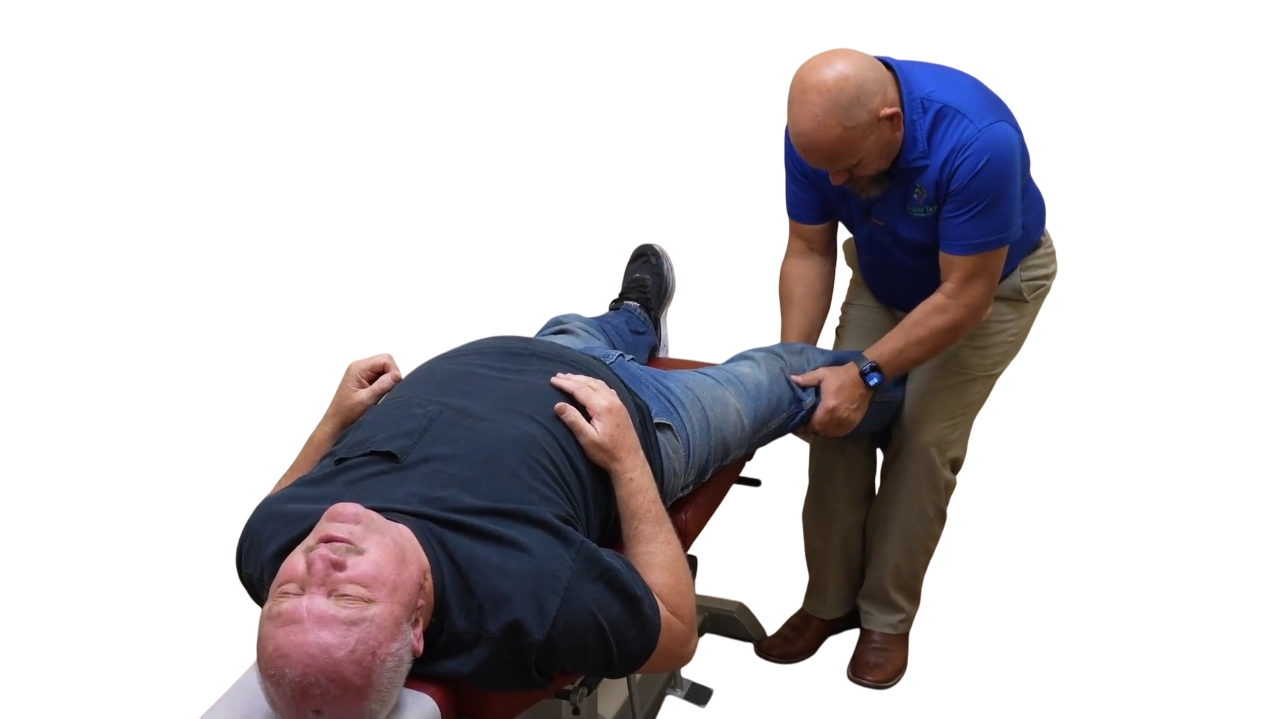

For most people with disc-related back or neck pain, nonsurgical spinal decompression is a safe, gentle option when patients are screened properly first. It uses computer-controlled traction to gently stretch the spine, which may ease pressure on irritated discs and nerves. At Family Tree Chiropractic in Oklahoma City, Dr. Micah Carter combines decompression with adjustments and targeted exercise, and screens every patient for the conditions that make decompression a poor fit.
Living with chronic back pain can turn everyday activities into real challenges. Whether you’re struggling to lift groceries, play with your children, or simply sit comfortably at your desk, persistent spinal pain affects every part of life.
Chiropractic spinal decompression offers a nonsurgical option for back pain, neck pain, bulging discs, and nerve compression, without the risks of invasive procedures. For Oklahoma City residents, it can be an alternative to surgery and to long-term reliance on pain medication.
Our Oklahoma City clinic pairs computerized decompression with Dr. Carter’s 23 years of clinical experience. Every spine tells a different story, so every plan is tailored to your condition, lifestyle, and recovery goals.
Understanding Spinal Decompression

What Is Chiropractic Spinal Decompression?
Chiropractic spinal decompression is controlled, therapeutic stretching of the spine. The goal is to lower the pressure inside the intervertebral discs, which may help bulging or herniated disc material move away from irritated nerves.
Lower pressure inside the disc may also support the flow of fluid and nutrients into disc tissue, which plays a role in the body’s natural repair process.
Modern chiropractic care uses two main forms of decompression:
- Manual decompression techniques, where a practitioner uses specific positioning and controlled movements to decompress targeted spinal segments.
- Computer-assisted decompression tables, which deliver precise, consistent amounts of force with real-time monitoring.
The main focus is reducing pressure on compressed discs and irritated nerve roots. By creating a little more space between vertebrae, decompression aims to ease the mechanical stress behind nerve irritation and chronic pain.
Spinal decompression is also a broad term. As Cleveland Clinic explains, it covers both nonsurgical options like traction and surgical procedures, and providers generally prefer starting with less invasive care first.
How It Differs from Traditional Traction
Traditional traction has been used for a long time to treat spinal conditions. It typically applies steady, continuous force, which can trigger protective muscle guarding that works against the goal.
Computerized decompression systems instead use cycles of pulling and relaxing, which are designed to help muscles stay relaxed. The key differences include:
- Precision control to target specific spinal levels
- Gradual force application that encourages muscles to relax rather than tense up
- Cyclic patterns that alternate traction and relaxation phases
- Real-time adjustments as the system responds to your body
Decompression is also thought to support disc health through imbibition, the movement of fluid into the disc as pressure changes. For general background on disc problems and standard treatments, see Mayo Clinic’s overview of herniated disks.
How Spinal Decompression Works

The Science Behind Decompression Therapy
Early research measured negative pressure inside the disc during computerized decompression. In theory, that drop in pressure may help draw bulging disc material back toward the center of the disc and reduce pressure on nearby nerve roots.
Decompression is also thought to support several processes in and around the disc:
- Nutrient exchange between the disc and surrounding tissue
- Oxygen delivery to irritated disc tissue
- Removal of waste products from the disc space
- An environment that supports tissue repair
The therapy also addresses muscle tension. Chronic pain often leads to protective muscle spasm that compresses spinal structures further and keeps the pain cycle going. Decompression’s gentle, rhythmic stretching can help those muscles relax, and gentle movement may also calm pain signals.
The Treatment Process
A typical session at our Oklahoma City clinic starts with careful positioning on the decompression table. Depending on your condition, you’ll lie face up or face down, with padded harnesses around your pelvis and trunk. These connect to the computerized system, which is programmed for your treatment plan.
Once treatment begins, you’ll feel:
- A gentle pulling sensation as the table slowly stretches your spine
- Traction phases lasting 30 to 60 seconds
- Partial relaxation phases of similar length
- A total session time of 20 to 30 minutes
Many patients find the sessions relaxing, and some even fall asleep. Most return to normal activities right away. Some notice mild muscle soreness, similar to after exercise, which usually fades within hours. You’ll get specific recommendations for stretching, hydration, and activity between sessions.
Personalized Treatment Plans
Every spine is shaped by genetics, lifestyle, injury history, and daily activities. That’s why every decompression program begins with a comprehensive consultation, including:
- A detailed spinal examination
- Review of existing imaging such as MRI or X-ray
- Motion and range of motion testing
- Digital posture analysis
- A medical history and medication review
This assessment helps us identify which segments need treatment, the right force settings for your condition, and any reasons decompression may not be appropriate.
Integration with Other Chiropractic Services
Decompression works best as part of a broader plan. Depending on your needs, we may combine it with:
- Chiropractic adjustments to restore normal joint mechanics while decompression addresses the disc.
- Shockwave therapy for chronic muscle tension and trigger points that add to your pain pattern.
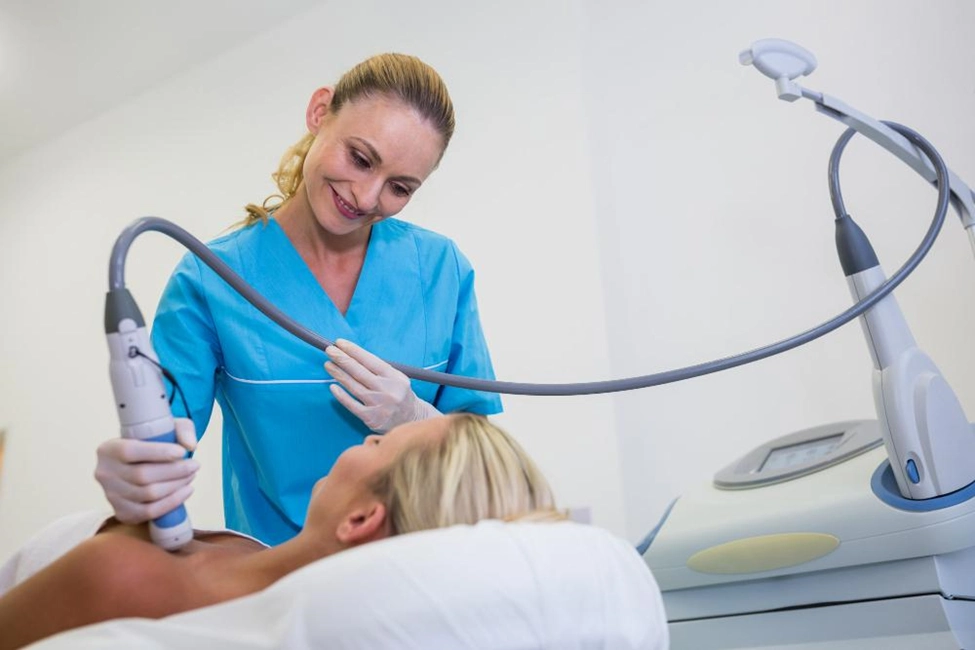
- Cold laser therapy, which uses photobiomodulation to help calm inflammation and support tissue repair.
- Therapeutic exercises that strengthen supporting muscles, improve flexibility, and build spinal stability to help prevent future injuries.
Combining Therapies for Better Recovery
Combining these approaches can help each one work better. When decompression eases disc pressure, adjustments are often more comfortable. When shockwave therapy releases chronic muscle tension, decompression can work on spinal structures more efficiently.
We track pain levels, range of motion, and day-to-day function throughout care so your plan changes as you improve.
Why Spinal Decompression Is Important

Long-Term Benefits and Healing
Spinal decompression aims for more than temporary relief. Instead of relying only on medication or moving straight to surgery, it focuses on easing pressure on the disc and nerves so the body can heal.
Potential benefits include:
- Pain relief without surgery or long-term prescription medication
- Improved spinal function, posture, and flexibility
- Better disc nutrition and less mechanical stress on irritated discs
- Easier movement during everyday activities
Many patients report moving more freely and comfortably as treatment progresses.
Helping Oklahoma City Residents Live Pain-Free
Oklahoma City lifestyles create specific challenges for spinal health. Common OKC spinal stressors include:
- Long commutes on I-35, I-40, or I-44, with prolonged sitting and road vibration
- A growing number of desk jobs downtown
- Energy sector work, from physical field jobs to long hours at a desk
- Weekend warrior injuries from an active outdoor culture at places like Lake Hefner
Office workers with chronic lower back pain, athletes with disc-related injuries, and seniors hoping to stay independent can all be good candidates for decompression, depending on their exam findings.
What Spinal Decompression Feels Like
During the Session
Some patients picture something uncomfortable before their first session. The reality is much more pleasant. You’ll feel a gentle, controlled pull through your spine, set to your comfort level and never beyond what feels manageable.
The alternating rhythm of gentle traction and partial relaxation creates a soothing, wave-like feeling that many patients find calming. It’s not unusual for patients to doze off.
After the Session
Right after a session, many patients feel lighter and move more easily. That early relief is often temporary at first and tends to build with successive treatments.
Some patients experience mild soreness, similar to after a workout or deep massage. According to WebMD’s overview of spinal decompression, nonsurgical decompression is generally well tolerated, and this kind of soreness typically fades as your body adapts.
There’s no downtime, which is one of decompression’s biggest advantages. Unlike surgery, you can return to work and family activities right after treatment.
Expected Timeline
Results build over time. A typical progression looks like this, though every patient is different:
- Weeks 1 to 2: early relief, lower pain intensity, better sleep for some
- Weeks 3 to 4: more noticeable improvement, better range of motion, more activity tolerance
- Weeks 4 to 6: continued gains as treatment wraps up
- Total sessions: usually 15 to 30 treatments over 4 to 6 weeks
How long results last depends on how severe the condition was, how consistently you follow home care, and lifestyle changes. Many patients keep their progress with good habits and periodic maintenance visits.
Conditions and Symptoms Spinal Decompression Treats
Common Conditions
Spinal decompression is commonly used for:
- Herniated or bulging discs, one of the most common reasons patients try decompression
- Degenerative disc disease, to ease pressure and support disc nutrition
- Sciatica and pinched nerves, to help relieve shooting pain, numbness, and tingling
- Chronic neck or lower back pain with a disc or nerve component
- Facet joint irritation and joint compression
- Postural strain from poor ergonomics
Some patients with persistent pain after spinal surgery may also be candidates, but only after careful screening and coordination with their surgeon.
Localized Pain Relief for OKC Residents
Downtown OKC professionals. People working in Bricktown’s renovated warehouses or the Devon Tower often develop lower back pain from desk work combined with long commutes from Edmond, Moore, or Norman.
Energy sector workers. Field workers face repetitive lifting, awkward positions, and equipment vibration that stress spinal discs, while long hours at a desk create their own postural problems.
Active lifestyle injuries. Weekend warriors at Lake Hefner, youth athletes, and gym regulars all risk spinal injuries that need specialized care.
Related Conditions
Spinal problems rarely stay in one place. Chronic back pain can lead to altered walking patterns that stress the knees and hips, tension headaches from neck problems, shoulder strain from postural changes, and weaker core muscles. Our approach looks at these connected issues, not just the disc.
Who Is a Good Candidate for Spinal Decompression?
Ideal Candidates
Good candidates usually have chronic back or neck pain that hasn’t responded well to other conservative care, along with:
- Disc problems seen on MRI or suspected from the exam
- Pain that worsens with sitting or bending
- Radiating symptoms into the arms or legs
- Limited results from medication or physical therapy
- A desire to avoid surgery or long-term pain medication
- A need to keep working and caring for family during treatment
Decompression can work for young adults with sports injuries and for seniors with age-related spinal changes. Because there’s no downtime, most patients continue working, exercising moderately, and handling family responsibilities throughout care.
Contraindications
Decompression is not appropriate for everyone. It is generally avoided with:
- Pregnancy
- Spinal fractures
- Severe osteoporosis
- Spinal tumors or infections
- Recent spinal fusion surgery or metal hardware in the spine
- Artificial disc replacements
- Spinal cord stimulators
We screen for these and other conditions at your consultation. If decompression isn’t right for you, we’ll recommend other options.
When to Seek Medical Care First
Go to the emergency room if you have loss of bladder or bowel control, numbness in the groin or inner thighs, rapidly worsening leg weakness, or back pain with fever or after a significant fall. These symptoms need medical care before any decompression or chiropractic treatment.
Safety and Effectiveness of Chiropractic Spinal Decompression

What the Evidence Shows
Nonsurgical decompression has a good safety record when patients are screened carefully. Serious complications are rare, and the most common side effect is temporary muscle soreness.
On effectiveness, we want to be straightforward. Many patients report meaningful relief, but high-quality research on nonsurgical decompression is still limited. An early review of the decompression literature called for better-designed studies before strong claims could be made. That’s why we set realistic expectations, track your progress closely, and combine decompression with care that has broader research support, like exercise and adjustments.
Compared with surgery, which carries risks such as infection, bleeding, and nerve injury, decompression is a low-risk option to try first for many disc-related problems when there are no red flags.
Safe for Most Age Groups
Adjustable settings let us tailor decompression across age groups:
- Young athletes: protocols focused on returning to sport
- Working adults: moderate settings that balance results and comfort
- Seniors: gentler settings that respect tissue fragility
- Medically complex patients: closely monitored treatment with adjusted settings
Decompression’s nonsurgical nature is especially valuable for older adults who may not be good surgical candidates. Patients with well-controlled conditions like diabetes or heart disease can often be treated safely after screening.
Why Choose Our Oklahoma City Chiropractic Clinic
Modern technology. Our computerized decompression tables include real-time force feedback and automatic safety systems.
Experienced care. Dr. Carter graduated magna cum laude from Parker College and has treated patients in Oklahoma City for 23 years, from athletes to teachers, construction workers to retirees.
Patient-centered care. We want you to feel heard, respected, and involved in your recovery.
Comprehensive approach. Our focus goes beyond short-term relief to include education, lifestyle support, and maintenance strategies. When you’re ready, contact our clinic to get started.
Conclusion: Experience Lasting Back Pain Relief in Oklahoma City
Chiropractic spinal decompression offers a nonsurgical way to address disc-related back and neck pain. Through precise, computer-controlled traction, it aims to ease pressure on discs and nerves while avoiding the risks and recovery time of surgery.
With careful screening, realistic expectations, and a plan that includes adjustments and exercise, decompression can be a strong choice for many people seeking lasting relief. Learn more about our spinal decompression services and how we help patients from Nichols Hills to Moore get back to the activities they love.
Frequently Asked Questions About Spinal Decompression
How long does a typical spinal decompression session last?
Most sessions last 20 to 30 minutes, and many patients find them relaxing.
Is spinal decompression therapy painful?
No. You’ll feel a gentle pulling sensation, and settings are adjusted to your comfort.
How many sessions will I need?
Most patients need 15 to 30 sessions over 4 to 6 weeks. Many notice changes within the first couple of weeks.
Can I return to work immediately after treatment?
Yes. There’s no downtime, so you can return to work and daily activities right after your session.
Does insurance cover spinal decompression therapy?
Coverage varies by plan. Our staff will verify your benefits and discuss payment options at your consultation.
What’s the difference between spinal decompression and regular traction?
Decompression uses computerized cycles of pulling and relaxing designed to keep muscles from guarding, while traditional traction usually applies steady force that can trigger muscle tension.
Are there any side effects from decompression therapy?
The most common side effect is mild, temporary muscle soreness. It usually fades within a day and lessens with later sessions.
Who should not have spinal decompression therapy?
People who are pregnant or who have spinal fractures, severe osteoporosis, spinal tumors or infections, or recent fusion surgery should not have decompression. We screen carefully at your consultation.
How soon will I feel results from treatment?
Many patients feel some relief within the first few sessions, with more noticeable improvement often by week three or four.
Can spinal decompression help me avoid back surgery?
For some patients, yes. Trying nonsurgical care first makes sense for many disc problems without red flags, and we’ll refer you for a surgical opinion if your condition calls for it.
Family Tree Chiropractic in Oklahoma City is committed to advancing patient health through innovative and compassionate chiropractic care. Led by Dr. Micah Carter, our team integrates modern techniques such as shockwave therapy with a holistic approach to pain relief and wellness. We believe in empowering our patients with comprehensive treatment options that address the root causes of pain and promote long-term health and vitality.