Chronic ankle pain that hasn’t responded to rest, ice, or physical therapy often comes down to a healing problem at the cellular level. Shockwave therapy addresses that directly by stimulating blood flow, breaking down scar tissue, and activating your body’s own repair process. At Family Tree Chiropractic in Oklahoma City, we use the Sanuwave shockwave device to treat ankle conditions that have stalled out under conventional care.
Why Some Ankle Injuries Never Fully Heal
The ankle is one of the most mechanically stressed joints in the body. Every step you take sends force through it, and yet the surrounding soft tissues – tendons, ligaments, fascia – have a relatively limited blood supply. That makes healing slower than in other parts of the body.
When an ankle injury happens and doesn’t get proper care, the body’s healing process often stalls partway through. Inflammation lingers. Scar tissue forms in a disorganized way. The injured tendon or ligament never quite returns to its original strength or function. You’re left with what feels like a chronic, low-grade injury that flares up with activity and never fully resolves.
I’ve seen patients here in Oklahoma City who’ve been dealing with the same ankle pain for two, three, even five years. They’ve tried braces, anti-inflammatories, physical therapy, sometimes injections. Nothing has produced lasting relief. That’s not because they did something wrong. It’s because none of those approaches addressed what was actually happening at the tissue level.
The Most Common Ankle Conditions We Treat With Shockwave
Chronic Ankle Sprains and Instability
An ankle sprain is the most common ankle injury, and most people assume they heal completely after a few weeks of rest. In reality, somewhere around 30 to 40 percent of ankle sprains develop into chronic ankle instability if not treated properly. The ligaments stretch out, scar tissue forms poorly, and the joint stops feeling stable underfoot.
Shockwave therapy addresses the chronic scar tissue and stimulates proper collagen remodeling in the affected ligaments. Combined with targeted strengthening of the peroneal muscles and balance retraining, most patients see significant improvement in stability and pain levels within four to six sessions.
Posterior Tibial Tendonitis
This one is often missed. Pain along the inside of the ankle and arch, worsening with prolonged standing or walking, frequently gets misdiagnosed as plantar fasciitis or simply foot pain. But posterior tibial tendonitis is a distinct condition that can lead to flat foot deformity if left untreated.
The Sanuwave device targets the inflamed tendon directly, breaks down adhesions in the surrounding fascia, and stimulates the regenerative healing response that tendons need. We pair this with foot mechanics work to address the underlying load that caused the problem in the first place.
Peroneal Tendonitis
Pain on the outer side of the ankle, particularly during pushing off or pivoting, often points to peroneal tendonitis. The peroneal tendons run behind the outer ankle bone and are vulnerable to overuse injuries in runners, basketball players, and anyone who does a lot of lateral movement.
Shockwave therapy works particularly well here because the tendon is relatively superficial and easy to target precisely. The acoustic waves penetrate into the affected tissue and trigger the cellular healing process that chronic tendonitis typically lacks.
Achilles Insertional Tendonitis
While we cover the body of the Achilles tendon in our post on Achilles tendonitis treatment, the insertional variety (where the tendon attaches to the heel bone) deserves its own mention. This type often involves bone spur formation and calcification at the attachment site, and it tends to be especially stubborn under conventional treatment.
Shockwave is genuinely one of the best tools we have for insertional Achilles problems. The acoustic waves help break down the calcified deposits and stimulate proper healing at the bone-tendon junction.
Ankle Bursitis
Less common than the conditions above, but still a real issue. Bursitis around the ankle (typically the retrocalcaneal bursa behind the heel) causes deep pain that often gets confused with Achilles problems. Shockwave addresses the inflamed bursa and the surrounding soft tissue together, which produces better outcomes than treating either in isolation.
How Shockwave Therapy Actually Works
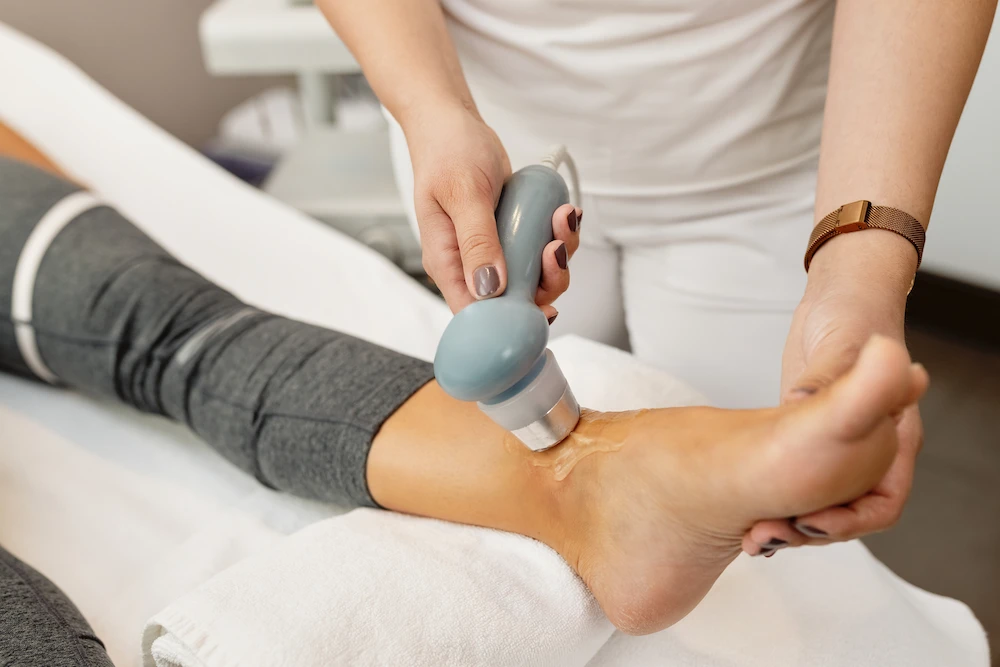
Shockwave therapy uses focused acoustic waves to penetrate into damaged tissue. These waves do several things at once.
First, they increase blood flow to the area, which delivers more oxygen and nutrients to tissues that have struggled to heal due to poor circulation. Second, they break down disorganized scar tissue and calcium deposits that interfere with normal tendon function. Third, they activate the body’s own stem cells and trigger a regenerative healing response at the cellular level.
The Sanuwave device we use is one of the more advanced shockwave systems available. Sessions are short, typically just a few minutes of active treatment time. You’ll feel a tapping or pulsing sensation over the treatment area, sometimes with mild discomfort during the first session or two. That tends to fade quickly as treatment progresses.
Most ankle patients in our Oklahoma City practice notice measurable improvement within three to five sessions. Chronic, longstanding cases sometimes take longer. Acute or sub-acute conditions often respond faster than that.
The Diagnostic Step That Most Clinics Skip
Before we treat anything, we figure out exactly what’s wrong. We do not guess. We test.
Ankle pain has a lot of potential causes, and the wrong diagnosis means the wrong treatment. Posterior tibial tendonitis needs a different approach than peroneal tendonitis. Chronic ankle instability needs more than just shockwave. A stress fracture would need to be ruled out before any soft tissue treatment.
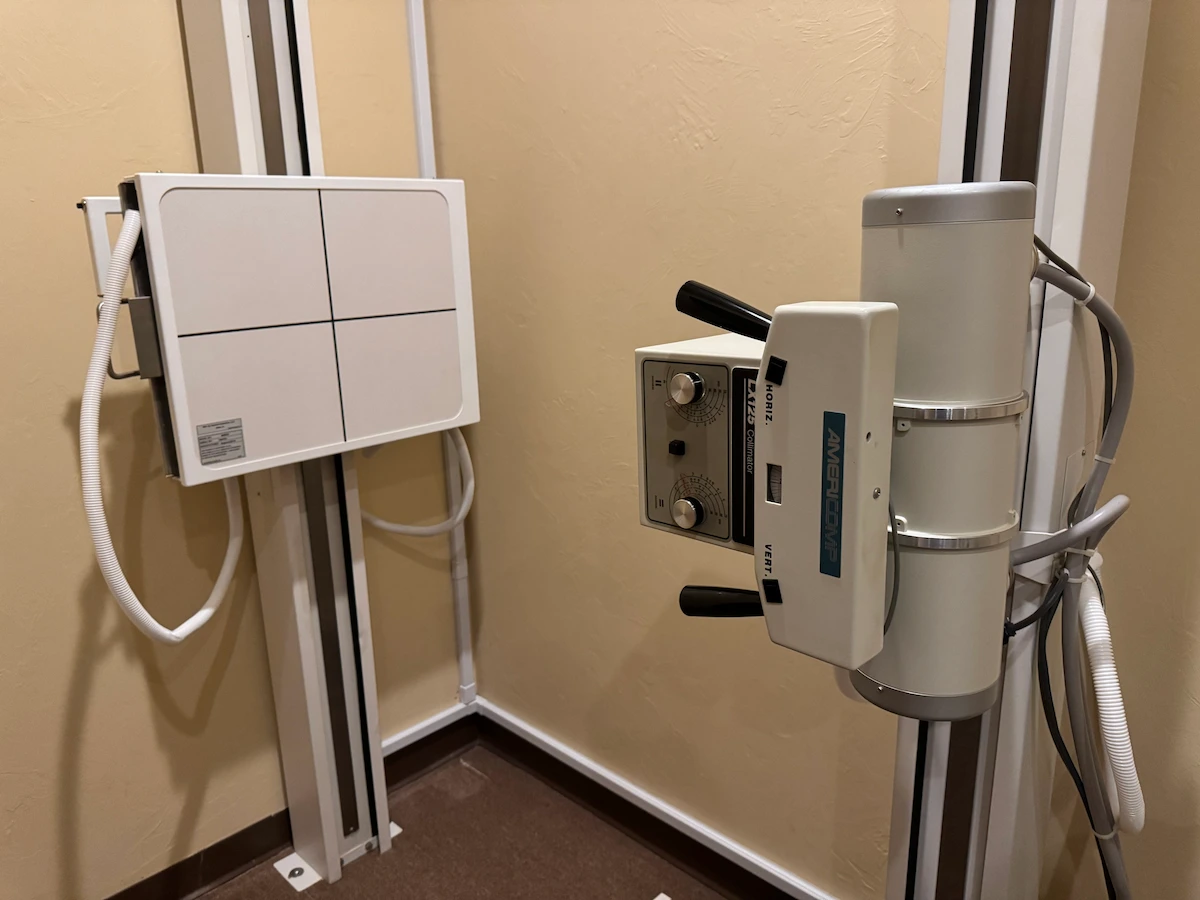
With 23 years of experience treating musculoskeletal conditions and my certifications in spinal trauma and whiplash from the International Chiropractors Association and Spine Research Institute of San Diego, I take diagnosis seriously. Every new ankle patient gets a thorough orthopedic and neurological evaluation, range-of-motion testing, gait analysis, and on-site digital X-rays when indicated. That’s how we make sure shockwave is the right call, and that we’re targeting the right tissue.
The R.E.S.T.O.R.E. Approach to Ankle Pain
Shockwave is one piece of how we treat ankle conditions. But the R.E.S.T.O.R.E. Method that guides all of our care goes further than just addressing the painful tissue.
After the acute pain settles and the tissue starts healing, we work on the muscle imbalances that contributed to the problem. The peroneal muscles often need strengthening. The gastroc-soleus complex often needs to be released. Foot intrinsics typically need to be activated. Balance and proprioception need to be retrained.
Without that correction phase, ankle conditions tend to come right back. The injury heals, the patient gets back to activity, and within a few months the same problem is creeping back because nothing changed about how the foot and ankle were loading. That’s not a win. We want the problem fixed for good.
Who Benefits Most From Ankle Shockwave Therapy
The ideal candidate for ankle shockwave therapy is someone who has:
- Chronic ankle pain that has lasted more than three months
- Tried conventional treatment without lasting relief
- Been told surgery is the next step but wants to try a non-surgical option first
- An active lifestyle they want to maintain (running, hiking, basketball, golf)
- Stubborn tendonitis that isn’t responding to rest and stretching
That said, not everyone is a candidate. Active infections, certain bleeding disorders, and a few other specific conditions can rule out shockwave therapy. Pregnant patients should also avoid it. At your first visit, we’ll review your full health history to confirm shockwave is appropriate for you.
What Recovery Looks Like
One of the things patients appreciate about shockwave is the lack of downtime. There’s no immobilization, no boot or brace required after treatment, and most people return to normal daily activities the same day. We typically recommend backing off high-impact activity for 24 to 48 hours after each session to let the cellular healing response do its work.
The healing happens over weeks, not days. The acoustic waves trigger a biological response that continues to produce results for several weeks after the actual treatment ends. Many patients report continued improvement even after their treatment series is complete.
Frequently Asked Questions
How many shockwave sessions will I need for ankle pain?
Most ankle cases respond well within four to six sessions. Longstanding chronic cases may take more. After your evaluation, we’ll give you a clearer estimate based on the specific condition and how long it’s been present.
Is shockwave therapy covered by insurance?
Coverage varies by plan and condition. Some insurance plans cover shockwave as part of comprehensive chiropractic care; others do not. We’ll review your benefits with you and discuss any out-of-pocket costs before treatment begins.
Can shockwave therapy replace ankle surgery?
For many chronic tendonitis and soft tissue conditions, yes. Patients who’ve been told they need surgery for chronic Achilles, posterior tibial, or peroneal tendon problems often see enough improvement with shockwave to avoid the operating room entirely. Severe structural problems or major ligament tears may still require surgical evaluation.
Does shockwave work for ankle arthritis?
Shockwave doesn’t reverse arthritis itself, but it can help manage the surrounding soft tissue inflammation and improve function. Patients with ankle arthritis often benefit from a combined approach including cold laser therapy and chiropractic care alongside shockwave.
Stop Living With Ankle Pain You’ve Been Told to Just Manage
If chronic ankle pain has been keeping you from running, hiking, golfing, or just walking comfortably, you have more options than you’ve been told. Family Tree Chiropractic in Oklahoma City has helped patients with stubborn ankle conditions get back to the activities they love using shockwave therapy and a comprehensive treatment approach.
Call us at (405) 340-4400 or schedule your appointment online. New patients receive our $49 comprehensive special, which includes consultation, adjustment, X-ray, cold laser, and a massage voucher.