
Inversion tables and professional spinal decompression both aim to take pressure off your spine, but they work in very different ways and produce very different results. An inversion table uses gravity to create a general stretch by hanging you upside down. Professional spinal decompression uses a computer-controlled table to apply precise, targeted traction to specific spinal segments. For most people dealing with a real disc problem, the difference matters more than they realize. Here’s how the two compare.
What an Inversion Table Actually Does
An inversion table is a piece of home equipment that secures you by the ankles and lets you tilt backward, partially or fully upside down. The idea is that hanging inverted uses your own body weight and gravity to gently stretch the spine and decompress the discs.
There’s some real logic to it. When you invert, gravity does pull downward on your spine in the opposite direction from normal, which can create a mild stretching effect and temporarily reduce pressure in the spinal column. Many people report feeling a pleasant stretch and short-term relief after using one.
That said, inversion tables have significant limitations that are worth understanding before you rely on one to fix a disc problem.
What Professional Spinal Decompression Does Differently
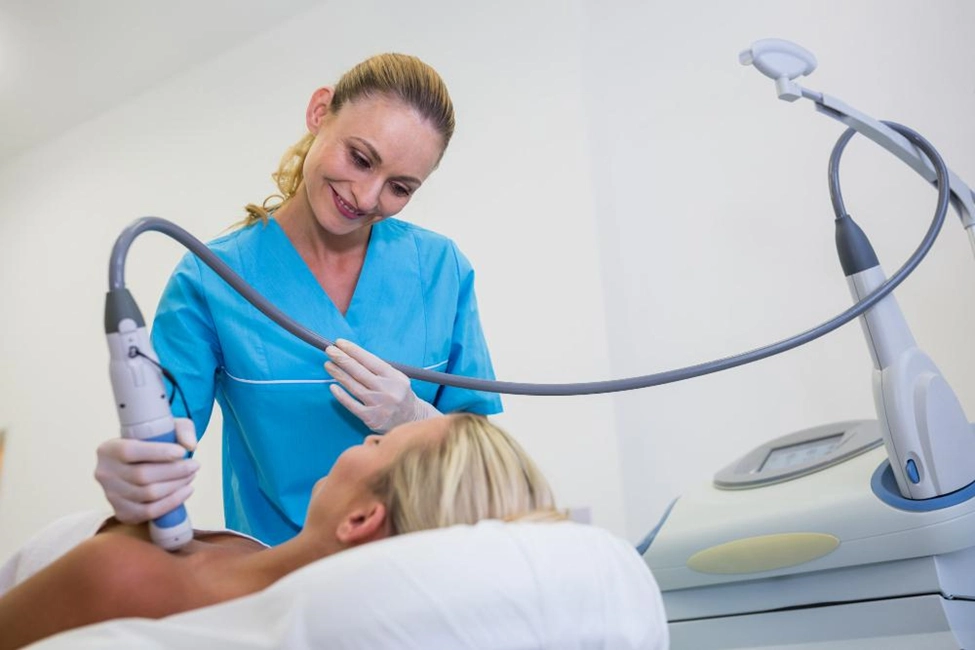
Spinal decompression therapy uses a specialized motorized table that applies controlled, computer-programmed traction to your spine. Unlike an inversion table, which just hangs you upside down and applies a general pull, decompression therapy targets specific spinal segments with a precise amount of force in a controlled pattern.
The key difference is what happens inside the disc. The decompression table works in cycles, gradually increasing traction, holding it, then easing off, then repeating. This intermittent pattern creates negative pressure within the targeted disc space. That negative pressure does two important things: it draws bulging or herniated disc material back toward the center, and it pulls nutrient-rich fluid into the disc to support healing.
An inversion table can’t do this. It applies a static, general stretch to the whole spine at once, without the ability to target the specific problem level or create the controlled negative pressure that produces actual disc healing. It’s the difference between a general stretch and a precise therapeutic treatment.
Comparing the Two Head to Head
Precision
Inversion tables apply a general, whole-spine stretch. Decompression therapy targets the specific segment causing your problem. If your issue is a herniated disc at one level, general stretching does little for that specific spot, while targeted decompression addresses it directly.
Control
With an inversion table, the force applied is determined by your body weight and the angle you hang at. There’s no fine control. With professional decompression, we program the exact amount of force, the cycle pattern, and the treatment duration based on your specific condition, and we adjust it as you progress.
The Healing Mechanism
This is the big one. Inversion provides a stretch and temporary pressure relief. Decompression creates the controlled negative pressure that actually draws disc material inward and promotes the fluid exchange discs need to heal. One offers temporary relief. The other works toward correction.
Safety
Inversion tables come with real risks for certain people. Hanging upside down significantly raises blood pressure and increases pressure in the eyes, which makes them dangerous for anyone with high blood pressure, glaucoma, heart conditions, or several other issues. Professional decompression keeps you lying flat and applies controlled force, making it appropriate for a much wider range of patients after proper evaluation.
The Safety Question Deserves a Closer Look
I want to spend a moment here because this is where I have real concerns about inversion tables. When you hang upside down, your cardiovascular system experiences meaningful stress. Blood pressure rises, heart rate can change, and pressure builds in the head and eyes.
For a healthy person with no risk factors, brief inversion is usually tolerated fine. But many of the people most tempted to buy an inversion table for back pain are older adults or people with other health conditions, exactly the group for whom inversion carries the most risk. I’ve had patients tell me they felt dizzy, saw spots, or got headaches from inversion tables without realizing those were warning signs.
Professional decompression avoids all of this. You lie comfortably on a flat or slightly inclined table. There’s no inversion, no blood pressure spike, no eye pressure concern. After 23 years of practice and my certification in spinal trauma from the International Chiropractors Association, I strongly prefer an approach that’s both more effective and safer for the patients who need it most.
When Might an Inversion Table Be Reasonable?
To be fair, inversion tables aren’t useless. For a healthy person with occasional mild back tightness and no serious disc issue or health risk factors, an inversion table can provide a pleasant stretch and temporary relief. Used sensibly and briefly, it’s a reasonable wellness tool for the right person.
The problem is when people with actual disc problems, nerve compression, or significant back conditions buy an inversion table expecting it to fix the issue. It won’t. At best it provides temporary relief while the underlying problem continues. At worst, it delays proper treatment and, for the wrong person, introduces real safety risk.
What We Recommend at Family Tree Chiropractic
If you have a genuine disc problem, sciatica, or persistent back pain that hasn’t resolved, the right move is a proper evaluation rather than a piece of home equipment. We do not guess. We test.
When you come in, we determine exactly what’s causing your pain through a thorough history, orthopedic and neurological examination, and on-site digital X-rays when indicated. If decompression is appropriate for your condition, we build a treatment plan around it. If something else would serve you better, we’ll tell you that.
Decompression also rarely works alone. As part of the R.E.S.T.O.R.E. Method, we combine it with chiropractic adjustments, cold laser, and targeted strengthening to address the full picture and make the results last. Our post on herniated disc treatment explains how these pieces work together for disc-related conditions.
Frequently Asked Questions
Can an inversion table replace professional spinal decompression?
For a real disc problem, no. An inversion table provides a general stretch and temporary relief but can’t target specific segments or create the controlled negative pressure that promotes actual disc healing. They serve very different purposes.
Are inversion tables safe for everyone?
No. Inversion raises blood pressure and eye pressure, making it risky for people with high blood pressure, glaucoma, heart conditions, and several other issues. Anyone considering one should check with a healthcare provider first, especially older adults.
Does spinal decompression hurt?
No. Most patients find it comfortable, describing it as a gentle pulling or stretching sensation. Many actually relax during treatment. For a full walkthrough, see our post on what to expect during back pain treatment with decompression.
How many decompression sessions will I need?
Most protocols run over several weeks with tapering frequency. The exact number depends on your condition and how long it’s been present. We provide a clear treatment plan after your evaluation.
Get an Approach Built for Your Actual Condition
Before you invest in a piece of equipment that may not address your real problem, let us find out what’s actually going on. Family Tree Chiropractic in Oklahoma City offers professional spinal decompression and a comprehensive approach designed around your specific condition, not a one-size-fits-all stretch.
Call us at (405) 340-4400 or book your appointment online. New patients start with our $49 comprehensive special, including consultation, adjustment, X-ray, cold laser, and a massage voucher.