Introduction
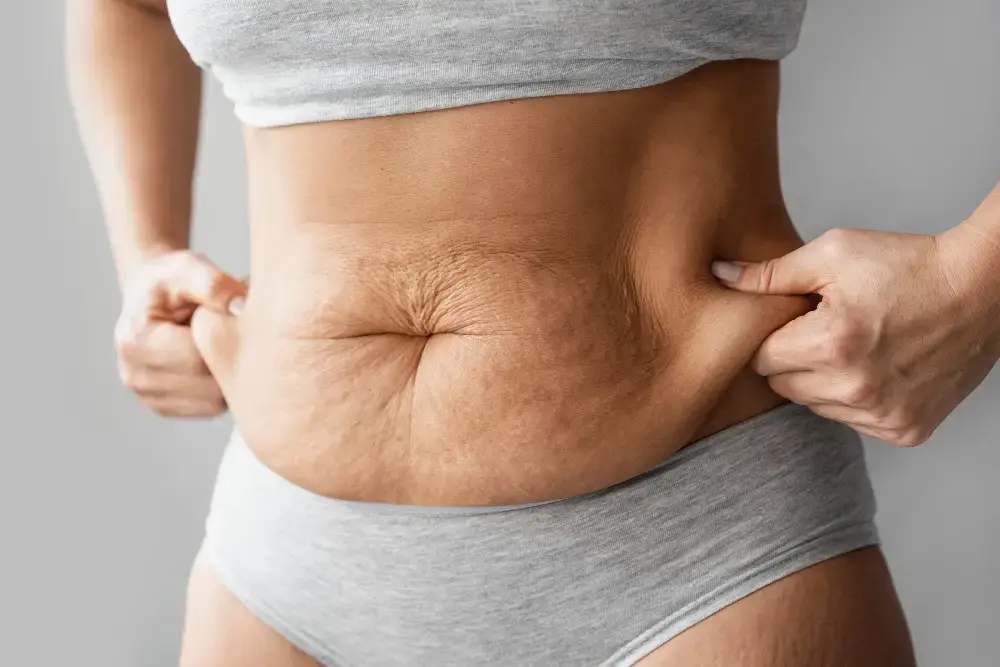
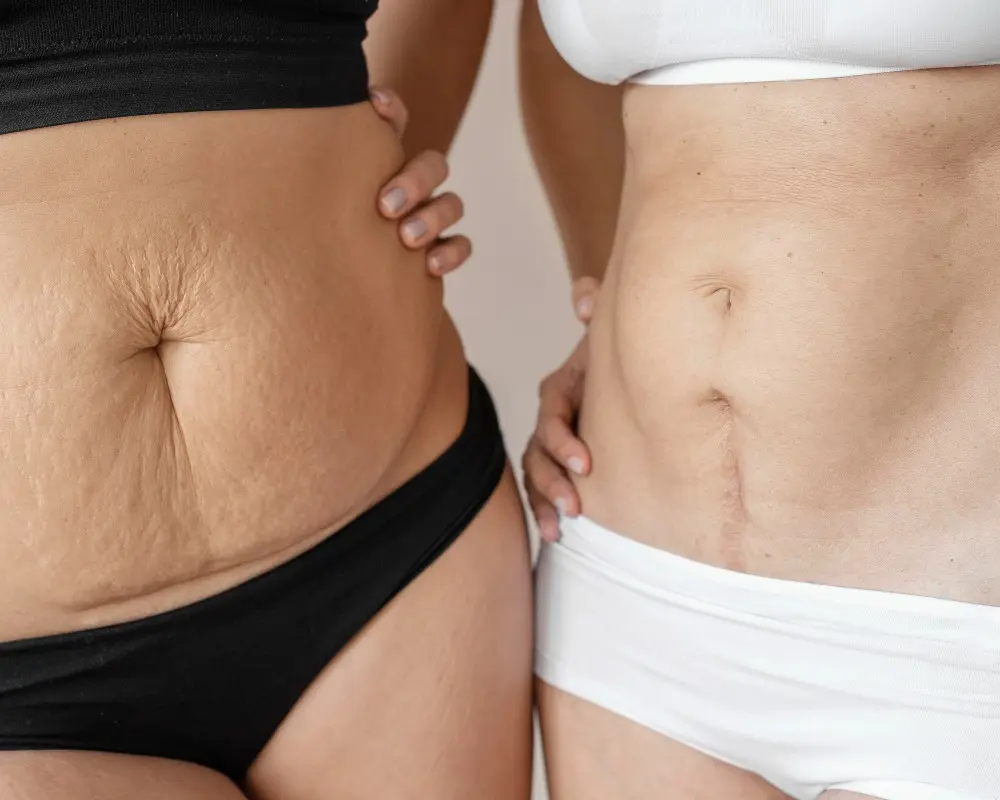
Congratulations on your weight loss journey! Achieving significant weight loss is a tremendous accomplishment that improves your health, energy, and overall quality of life. However, many people who’ve successfully lost weight face a new challenge: loose, sagging skin that doesn’t quite match their transformed body underneath.
This common concern affects millions of people who’ve lost substantial weight, whether through diet and exercise, bariatric surgery, or medical weight loss programs. The good news is that loose skin after weight loss isn’t permanent for most people, and there are numerous effective strategies to help your skin tighten and adapt to your new body shape.
Understanding why skin becomes loose and knowing your options for addressing it can make all the difference in your continued wellness journey. From natural methods like targeted exercise and nutrition to professional treatments available right here in Oklahoma City, you have more options than ever for achieving firmer, healthier-looking skin.
Understanding Loose Skin After Weight Loss
Why Does Skin Become Loose After Weight Loss?
Your skin is remarkably elastic, designed to stretch and contract as your body changes. This elasticity comes from two essential proteins: collagen and elastin. Collagen provides structure and firmness, while elastin allows your skin to stretch and bounce back. When you gain weight, especially over extended periods, your skin stretches to accommodate the increased body mass.
During weight loss, particularly rapid or significant weight loss, your skin may not shrink back to match your smaller body size immediately. According to NCBI, skin that has been stretched for months or years loses some of its elastic recoil ability. The collagen and elastin fibers become damaged, similar to a rubber band that’s been stretched too long.
The severity of loose skin depends on several factors including how much weight you’ve lost, how quickly you lost it, and how long you carried the excess weight. When fat cells shrink during weight loss, they leave behind expanded skin that once housed them. If weight loss happens faster than your skin can adapt, you’re left with excess skin that appears loose or saggy.
Your skin’s ability to retract also depends on its overall health and thickness. Areas where skin is naturally thinner, like the upper arms and neck, often show more noticeable looseness than areas with thicker skin. Additionally, skin that has stretch marks has experienced more severe structural damage and may have more difficulty tightening naturally.
Key Factors Affecting Skin Elasticity
Age plays a crucial role in skin elasticity. As we age, natural collagen production declines by about 1% per year after age 20, making it harder for mature skin to bounce back after weight loss. Someone who loses 50 pounds at age 25 will likely experience better skin retraction than someone losing the same amount at 55.
The amount and speed of weight loss significantly impact skin tightening. Losing 100+ pounds creates more loose skin than losing 30 pounds. Similarly, dropping weight rapidly (more than 2-3 pounds per week) doesn’t give skin time to gradually adjust. Slow, steady weight loss of 1-2 pounds weekly allows skin to adapt more effectively.
Genetics determine your skin’s natural thickness, elasticity, and collagen density. Some people are genetically blessed with skin that snaps back easily, while others may struggle with looseness even after modest weight loss. Your ethnic background can also influence skin thickness and resilience.
Sun damage accumulated over years breaks down collagen and elastin, compromising your skin’s ability to tighten. Smoking similarly destroys these proteins while reducing blood flow to skin cells. The longer you carried excess weight also matters – skin stretched for decades has more difficulty recovering than skin stretched for just a few years.
How Long Does Skin Take to Tighten After Weight Loss?
The natural skin tightening process typically takes between 6 months to 2 years, though individual timelines vary considerably. During the first few months after weight loss, you might not see much change as your skin adjusts to its new reality. Most people begin noticing gradual improvements around the 6-month mark.
Your skin continues remodeling for up to two years post-weight loss. This extended timeline exists because skin cell turnover takes time, and collagen remodeling is a slow biological process. According to Medical News Today, younger individuals with good skin elasticity might see significant tightening within 6-12 months, while older adults may need the full two years to see maximum natural improvement.
Patience is absolutely essential during this recovery period. Many people become discouraged when they don’t see immediate results, but skin tightening is a marathon, not a sprint. Your body needs time to produce new collagen, remodel existing tissue, and adapt to its new shape. Continuing healthy habits during this waiting period maximizes your skin’s natural tightening potential.
Several factors can accelerate the tightening process, including proper nutrition, strength training to build underlying muscle, staying hydrated, and protecting skin from further damage. Conversely, factors like continued weight fluctuations, poor nutrition, dehydration, and sun exposure can slow or prevent natural skin tightening. Understanding this timeline helps set realistic expectations and prevents premature consideration of more invasive options.
Natural Methods to Tighten Loose Skin After Weight Loss
Build Muscle Through Strength Training
Building lean muscle mass is one of the most effective natural strategies for addressing loose skin after weight loss. When you lose weight, you lose both fat and some muscle mass. By rebuilding and increasing muscle through strength training, you essentially “fill out” loose skin from underneath, creating a firmer, more toned appearance.
Muscle tissue is denser and more compact than fat, providing better structural support for overlying skin. Additionally, strength training stimulates blood flow to the skin, delivering nutrients that support collagen production and skin health. The mechanical stress of resistance exercise also signals your body to strengthen connective tissues, including the skin itself.
Research shows that progressive resistance training 3-4 times per week can significantly improve skin appearance within 12-16 weeks. Focus on compound exercises that work multiple muscle groups simultaneously, such as squats, deadlifts, bench presses, and rows. These movements build overall muscle mass more efficiently than isolation exercises alone.
The benefits extend beyond aesthetics. Increased muscle mass boosts metabolism, helps maintain weight loss, improves posture, and enhances overall body composition. This creates a positive cycle where better body composition supports continued skin tightening over time.
Targeted Exercises for Specific Areas
For belly and abdominal skin, focus on comprehensive core training:
Upper body exercises for arm skin tightening:
Lower body movements for leg and thigh firmness:
Remember to progressively increase weight or resistance as you get stronger, aiming for muscle fatigue within 8-12 repetitions for optimal muscle building.
Optimize Your Nutrition for Skin Health
Essential Nutrients for Collagen Production
Protein forms the foundation of skin structure, with collagen itself being a protein. Aim for 0.8-1.2 grams of protein per kilogram of body weight daily, choosing high-quality sources like lean meats, fish, eggs, and legumes. Complete proteins containing all essential amino acids provide the building blocks necessary for skin repair and collagen synthesis.
Vitamin C is absolutely crucial for collagen production – your body literally cannot make collagen without it. Adults need 65-90mg daily, easily obtained from citrus fruits, strawberries, bell peppers, and broccoli. This vitamin acts as a cofactor in collagen synthesis, helping convert amino acids into functional collagen fibers.
Omega-3 fatty acids maintain skin cell membrane health and reduce inflammation that can damage collagen. Include fatty fish like salmon twice weekly, or supplement with fish oil. These healthy fats also improve skin hydration from within, enhancing elasticity and reducing the appearance of loose skin.
Antioxidants protect existing collagen from free radical damage while supporting new collagen formation. Vitamins A, E, and selenium work synergistically to maintain skin health. Include colorful vegetables, nuts, seeds, and whole grains to ensure adequate antioxidant intake for optimal skin protection and repair.
Foods That Support Skin Tightening
Bone broth has gained attention as a skin-supporting superfood, providing easily absorbed collagen, amino acids, and minerals. Sipping 8-16 ounces of quality bone broth daily may support skin elasticity, though more research is needed on direct benefits. The gelatin in bone broth contains glycine and proline, key amino acids for collagen production.
Citrus fruits and berries deliver powerful combinations of vitamin C and antioxidants. Oranges, grapefruit, blueberries, and strawberries protect skin while supporting collagen synthesis. These fruits also provide bioflavonoids that strengthen capillaries, improving nutrient delivery to skin cells.
Nuts, seeds, and healthy fats provide vitamin E, zinc, and essential fatty acids crucial for skin health. Almonds, walnuts, chia seeds, and avocados support skin barrier function and moisture retention. Include a handful of mixed nuts or seeds daily for optimal skin nutrition.
Leafy greens and colorful vegetables supply vitamins A, C, and K, plus minerals like silicon that support connective tissue. Spinach, kale, sweet potatoes, and bell peppers should feature prominently in your daily meals for comprehensive skin support.
Hydration and Skin Elasticity
Proper hydration is fundamental for skin elasticity and appearance. Water comprises about 64% of your skin, and even mild dehydration can make loose skin appear more pronounced. Adequate hydration helps maintain skin turgor – the skin’s ability to stretch and snap back.
Dehydration reduces blood volume, limiting nutrient delivery to skin cells and slowing waste removal. This impairs collagen production and skin repair processes. Dehydrated skin also appears dull, emphasizes wrinkles, and loses its natural plumpness.
Aim for at least 8-10 cups (64-80 ounces) of water daily, increasing intake during exercise or hot weather. Monitor urine color – pale yellow indicates good hydration, while dark yellow suggests you need more fluids. Include water-rich foods like cucumbers, watermelon, and zucchini to boost hydration further.
Skincare Routines to Improve Skin Firmness
Topical Treatments and Ingredients
Retinol and prescription retinoids are gold-standard ingredients for improving skin firmness. These vitamin A derivatives accelerate cell turnover, stimulate collagen production, and improve skin texture. Start with over-the-counter retinol products 2-3 times weekly, gradually increasing frequency as your skin adjusts.
Hyaluronic acid attracts and holds up to 1,000 times its weight in water, providing intense hydration that plumps skin and reduces the appearance of looseness. Layer a hyaluronic acid serum under moisturizer twice daily for best results. This ingredient works especially well in Oklahoma’s variable climate.
Vitamin C serums provide antioxidant protection while supporting collagen synthesis from the outside. Look for stable forms like magnesium ascorbyl phosphate or sodium ascorbyl phosphate in 10-20% concentrations. Apply vitamin C serum in the morning under sunscreen for dual protection and collagen support.
Firming creams containing peptides, caffeine, and botanical extracts can temporarily tighten skin appearance. While these won’t dramatically transform loose skin, consistent use improves skin texture and provides modest firming benefits. Choose products with clinical backing and realistic claims.
Exfoliation and Skin Renewal
Regular exfoliation removes dead skin cells that can make loose skin appear dull and crepey. This process stimulates cell renewal and improves the penetration of active skincare ingredients. Exfoliating 2-3 times weekly can noticeably improve skin texture and appearance over time.
Chemical exfoliants like alpha-hydroxy acids (AHAs) and beta-hydroxy acids (BHAs) work more gently and effectively than physical scrubs. Glycolic acid, lactic acid, and salicylic acid dissolve bonds between dead cells, revealing fresher skin underneath. These acids also stimulate collagen production with regular use.
Physical exfoliation through dry brushing or gentle scrubs increases circulation and lymphatic drainage. This can temporarily improve skin appearance and may support the skin tightening process. Always exfoliate gently on loose skin to avoid irritation or damage to already compromised tissue.
Lifestyle Habits That Support Skin Tightening
Smoking severely impairs skin’s ability to tighten by destroying collagen and elastin while reducing blood flow to skin cells. Quitting smoking is one of the most impactful changes you can make for skin health. Within weeks of quitting, improved circulation begins supporting skin repair processes.
Sun protection prevents further collagen breakdown that worsens loose skin. Apply broad-spectrum SPF 30+ sunscreen daily, even in cloudy Oklahoma weather. UV damage is cumulative, so protecting your skin now preserves its remaining elasticity and supports the tightening process.
Adequate sleep allows your body to produce growth hormone and repair damaged tissues, including skin. Aim for 7-9 hours nightly, as studies show that poor sleep quality accelerates skin aging and impairs skin barrier function. During deep sleep, your body increases collagen production and cellular repair.
Stress management helps control cortisol levels that can break down collagen and impair skin healing. Chronic stress also triggers inflammation that damages skin structure. Practice stress-reduction techniques like meditation, yoga, or deep breathing to support your skin’s natural repair processes.
How to Tighten Skin on Specific Body Areas
How to Tighten Belly and Abdominal Skin After Weight Loss
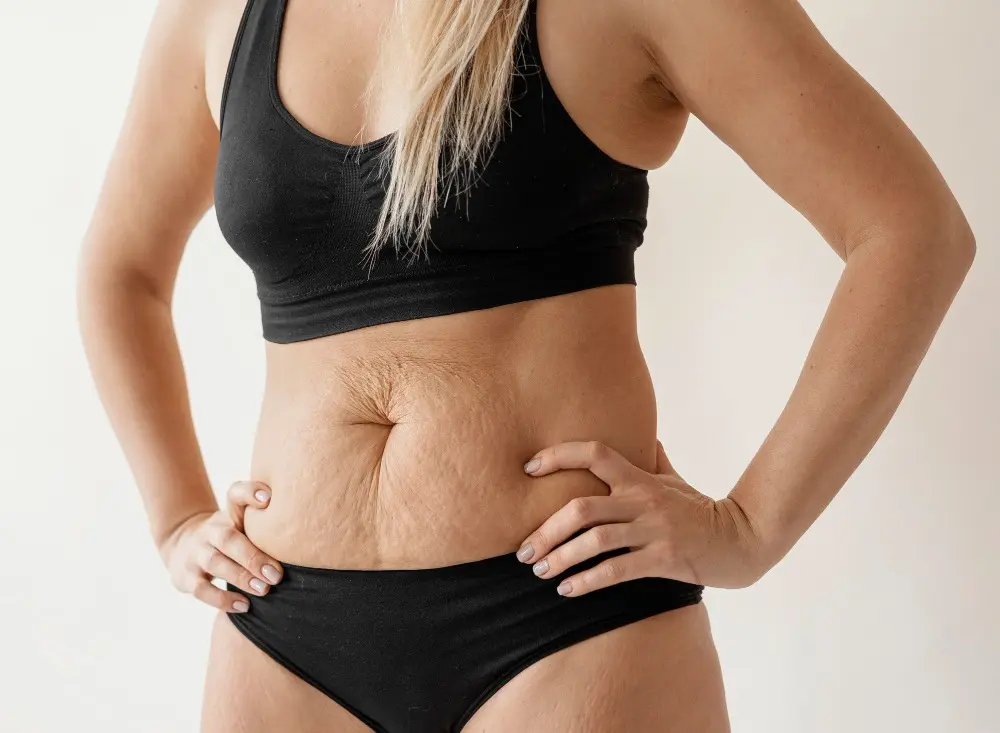
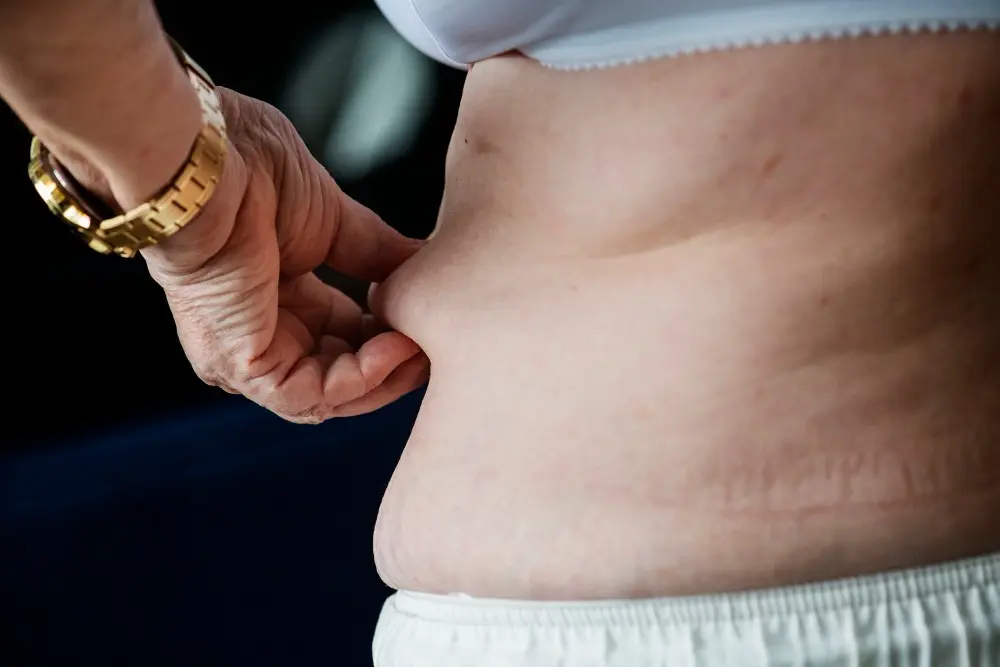
The abdomen often shows the most dramatic loose skin after significant weight loss, particularly for those who’ve lost 50+ pounds or women who’ve been pregnant. Belly skin stretches considerably to accommodate excess weight or pregnancy, and the constant stretching can damage elastic fibers beyond natural repair capacity.
Targeted core exercises build abdominal muscles that provide structure beneath loose skin. Beyond basic crunches, focus on exercises that engage all core muscles including the transverse abdominis (your body’s natural corset), obliques, and lower abs. Exercises like planks, dead bugs, and Pallof presses create comprehensive core strength that improves midsection appearance.
Professional treatments often work exceptionally well for abdominal loose skin. Red light therapy and contour light treatments stimulate collagen production while helping maintain your weight loss results. These non-invasive options can significantly improve skin firmness when combined with exercise and proper nutrition.
For severe abdominal loose skin that doesn’t respond to natural methods, surgical options like abdominoplasty (tummy tuck) may be considered. However, most people see substantial improvement through consistent application of natural methods over 12-24 months before considering surgery.
How to Tighten Loose Tummy Skin Naturally
A comprehensive approach combining targeted exercise, nutrition, and skincare yields the best results for natural tummy tightening. Perform core exercises 4-5 times weekly, focusing on both strength and endurance. Include 60-second planks, 20-25 bicycle crunches, and 15-20 leg raises in your routine.
Body wraps and abdominal massage can temporarily improve skin appearance and may support long-term tightening. Use natural ingredients like coffee grounds, coconut oil, and essential oils for DIY wraps. Massage the abdomen in circular motions for 5-10 minutes daily to improve circulation and lymphatic drainage.
Set realistic expectations for natural tightening. While you can achieve significant improvement, complete elimination of all loose skin naturally may not be possible after massive weight loss. Focus on progress rather than perfection, celebrating improvements in skin texture, firmness, and overall appearance.
How to Tighten Face Skin After Weight Loss
Facial skin often shows weight loss more dramatically than other areas because facial fat provides volume and structure. When this fat diminishes, skin can appear loose, particularly around the jawline, cheeks, and neck. The good news is facial skin typically responds well to targeted interventions.
Facial exercises, sometimes called “face yoga,” can help tone underlying muscles and improve skin appearance. Exercises like cheek lifts, jaw releases, and forehead smoothers performed daily may enhance muscle tone and circulation. While scientific evidence is limited, many people report improvements in facial firmness with consistent practice.
Non-invasive treatments work particularly well for facial skin. Radiofrequency treatments, ultrasound therapy, and professional-grade chemical peels can significantly improve facial skin tightness. The face’s good blood supply and thinner skin often mean faster, more noticeable results compared to body treatments.
A comprehensive facial skincare routine is essential. Use products containing retinoids, peptides, and antioxidants. Consider adding a jade roller or gua sha tool to improve lymphatic drainage and product absorption. Professional facials every 4-6 weeks can accelerate skin improvement through deeper exfoliation and targeted treatments.
How to Tighten Skin Under Chin
The submental area (under the chin) is particularly prone to loose skin after weight loss, creating the dreaded “turkey neck” appearance. This area lacks substantial muscle support and has thin skin that shows laxity easily.
Specific exercises can help:
Skincare for the neck and chin area requires special attention. Extend all facial skincare products down to the neck and décolletage. Use upward motions when applying products to avoid pulling skin downward. Consider neck-specific creams with tightening peptides and caffeine for additional support.
How to Tighten Arm Skin After Weight Loss Naturally
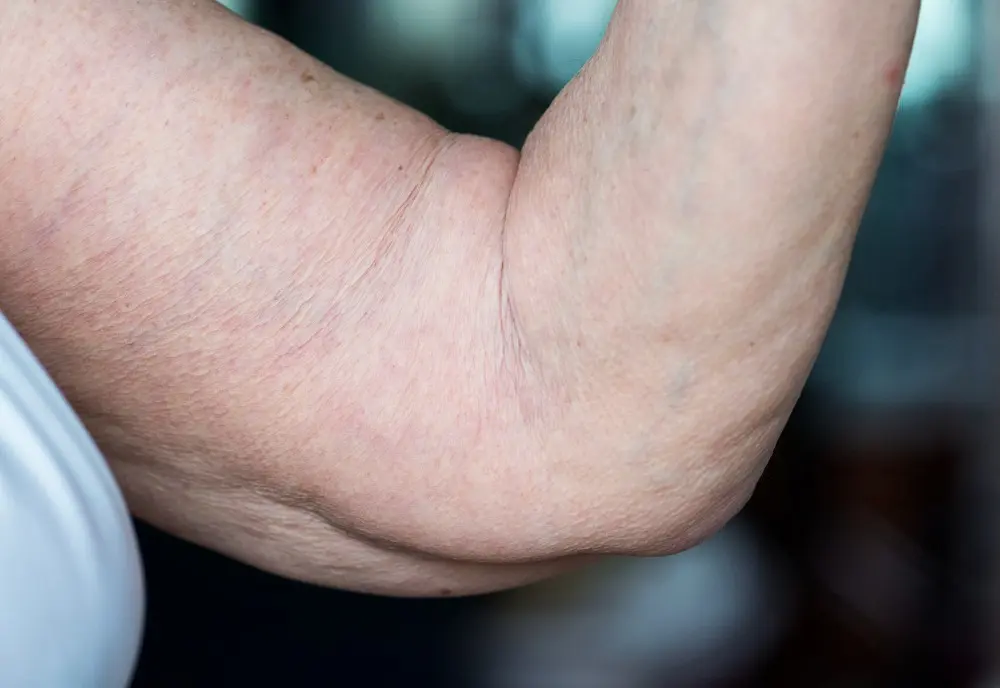
Upper arm loose skin, often called “bat wings,” is a common concern after weight loss, particularly in women. The tricep area tends to store significant fat, and once that fat is lost, the overlying skin may struggle to contract. Building arm muscle is crucial for improving this area’s appearance.
Focus on comprehensive arm training:
Consistency is key – train arms 2-3 times weekly with progressive overload to continuously challenge muscles. Include both heavy weight/low rep and light weight/high rep training for comprehensive muscle development.
Moisturizing and firming treatments can support arm skin tightening. Apply firming creams with caffeine and retinol twice daily, using upward massage strokes. Dry brushing before showering stimulates circulation and may improve skin texture. Consider professional treatments if natural methods don’t provide sufficient improvement after 12-18 months.
How to Tighten Leg, Thigh, and Inner Thigh Skin
Lower Body Exercises for Skin TighteningLower Body Exercises for Skin Tightening
Lower body skin responds exceptionally well to muscle building because leg muscles are large and capable of significant growth. Focus on exercises that target all major leg muscles:
Inner thigh skin often shows the most looseness due to limited muscle mass in this area. Target inner thighs specifically:
Build leg muscle progressively, increasing weight or resistance every 2-3 weeks. This continuous challenge stimulates muscle growth that helps fill out loose skin. Include both strength days (heavy weight, 6-8 reps) and endurance days (lighter weight, 15-20 reps) for optimal development.
How to Tighten Breast Skin After Weight Loss
Breast tissue consists primarily of fat and glandular tissue with minimal muscle, making breast skin particularly vulnerable to sagging after weight loss. While you cannot rebuild breast tissue naturally, you can improve the chest’s overall appearance through targeted strategies.
Chest exercises strengthen the pectoral muscles beneath breast tissue:
These exercises won’t lift breasts directly but create a stronger foundation that can improve overall chest appearance.
Proper support is crucial for preventing further sagging. Invest in well-fitted, supportive bras, especially during exercise. A professional bra fitting ensures appropriate support that minimizes tissue stress. Consider wearing a supportive sleep bra to prevent gravitational pull during rest.
The chest area requires diligent skincare. Apply firming creams with peptides and vitamin C daily, extending application from breasts to décolletage. Keep skin moisturized to maintain elasticity, and always apply sunscreen to prevent collagen breakdown from UV exposure. Gentle massage with natural oils like argan or rosehip can improve circulation and skin quality.
Professional Treatments for Loose Skin Tightening
Non-Invasive Body Contouring Options
Red Light Therapy and Contour Light Treatment
Red light therapy has emerged as a powerful tool for skin tightening, working at the cellular level to stimulate collagen and elastin production. This innovative therapy uses specific wavelengths of red and near-infrared light that penetrate skin to reach fibroblasts, the cells responsible for producing collagen.
Clinical studies show that red light therapy at wavelengths of 635-660nm and 810-850nm significantly increases collagen production, with some studies reporting up to 31% increase in collagen density after regular treatments. The therapy also improves blood flow, bringing nutrients to skin cells and supporting the natural repair process.
For loose skin after weight loss, combining red light therapy with body contouring provides dual benefits. While the light stimulates skin tightening, it also helps maintain your weight loss by supporting fat metabolism. Most patients require 12-20 sessions over 6-10 weeks for optimal results, with visible improvements often beginning after 4-6 treatments.
The treatment is completely painless, requires no downtime, and can be combined with other therapies. Many Oklahoma City residents appreciate this option because they can receive treatments during lunch breaks and return immediately to work or activities.
Radiofrequency (RF) Treatments
Radiofrequency energy heats the deep layers of skin to 40-45°C, causing immediate collagen contraction and triggering long-term collagen remodeling. This controlled heating creates a wound-healing response without actually damaging skin surface, leading to progressive skin tightening over several months.
Popular RF devices include Thermage, Exilis, and Venus Legacy, each offering slightly different approaches to skin tightening. Most systems combine RF with other technologies like infrared light or mechanical massage to enhance results. Treatments typically feel like a warm massage with occasional hot sensations.
Results from RF treatments develop gradually, with initial tightening visible immediately but optimal results appearing 3-6 months post-treatment as new collagen forms. Most people need 4-6 sessions spaced 2-4 weeks apart, followed by annual maintenance treatments. The improvement continues for up to a year after the final session.
Local providers offer various RF options, and choosing the right one depends on your specific areas of concern, skin type, and budget.
Ultrasound Skin Tightening
Ultrasound technology delivers focused energy deep into skin layers, heating tissue to stimulate collagen production while leaving the surface untouched. Ultherapy, the most well-known ultrasound treatment, is FDA-cleared for lifting and tightening skin on the face, neck, and chest.
The treatment uses ultrasound imaging to visualize tissue layers, ensuring energy delivery at optimal depths for collagen stimulation. This precision allows practitioners to target specific areas of loose skin with customized treatment plans. The procedure typically takes 30-90 minutes depending on treatment areas.
Most patients see initial improvements at 2-3 months, with continued improvement for up to 6 months as collagen rebuilds. Results can last 1-2 years, making ultrasound an excellent option for those seeking longer-lasting non-invasive results. Some discomfort during treatment is normal, but topical numbing cream helps manage any pain.
Minimally Invasive Procedures
Laser Skin Tightening
Laser treatments use concentrated light energy to heat collagen fibers, causing immediate contraction and stimulating new collagen production. Different laser types target various skin concerns – CO2 lasers for dramatic tightening, Fraxel for texture improvement, and Nd:YAG for deeper heating without surface damage.
Fractional laser treatments create microscopic wounds in skin, triggering intensive healing responses that significantly improve skin firmness and texture. These treatments work particularly well for moderate loose skin on the face, neck, and body. Most patients need 3-5 treatments spaced 4-6 weeks apart.
Recovery varies by laser intensity. Non-ablative lasers require minimal downtime with mild redness for 1-2 days. Ablative lasers may require 5-7 days of recovery but provide more dramatic results. Post-treatment care includes sun protection and gentle skincare to support healing.
Results appear progressively over 3-6 months as collagen remodels. Many patients combine laser treatments with other modalities for comprehensive skin rejuvenation. The American Board of Cosmetic Surgery recommends laser tightening for mild to moderate skin laxity.
Microneedling with Radiofrequency
Combining microneedling’s collagen induction with RF’s heating effect creates a powerful skin tightening treatment. Tiny needles create controlled micro-injuries while simultaneously delivering RF energy deep into the skin. This dual action triggers intensive collagen and elastin production.
Popular devices like Morpheus8, Vivace, and Secret RF can treat both face and body areas. The treatment is customizable with varying needle depths and energy levels to address different skin concerns and body areas. Most patients describe the sensation as mild to moderate discomfort, manageable with topical numbing.
Visible results typically appear after 2-3 treatments, with optimal outcomes after 3-6 sessions. Improvements continue for several months post-treatment as collagen continues rebuilding. Downtime is minimal – usually 1-3 days of mild redness and swelling.
This treatment works exceptionally well for loose skin on the lower face, neck, arms, and abdomen. Many patients choose this option because it addresses both skin texture and laxity simultaneously, providing comprehensive rejuvenation.
Surgical Options for Severe Loose Skin
When to Consider Surgery
Surgery becomes a consideration when loose skin significantly impacts quality of life, causes medical issues like rashes or infections, or doesn’t respond to conservative treatments after 18-24 months. Candidates typically have lost 100+ pounds or have skin that hangs in folds.
Common surgical procedures include:
Experienced surgeons in Oklahoma City can perform these procedures individually or in combination. Costs range from $5,000-$20,000+ depending on the extent of surgery. Recovery typically requires 2-6 weeks off work with activity restrictions for 6-8 weeks.
Risks include scarring, infection, bleeding, and anesthesia complications. However, for those with severe loose skin, surgery may be the only option for achieving desired results. Many patients report high satisfaction despite scarring, as the improved body contour outweighs aesthetic concerns about scars.
Non-Surgical Alternatives to Surgery
Before committing to surgery, explore whether combining multiple non-invasive therapies might achieve acceptable results. Many patients find that a comprehensive approach using body contouring treatments, strength training, and proper nutrition provides sufficient improvement.
Some effective combination approaches include:
These combinations often cost less than surgery while avoiding surgical risks and recovery time. Results may not match surgical outcomes, but many patients find the improvement sufficient for their needs and lifestyle.
Creating Your Skin Tightening Action Plan
Assessing Your Skin Tightening Needs
Begin by honestly evaluating the severity of your loose skin. Mild laxity might respond well to natural methods alone, while severe sagging may require professional intervention. Take photos from multiple angles to document your starting point and track progress objectively.
Consider factors affecting your skin’s potential for natural tightening:
Setting realistic goals prevents disappointment and helps you choose appropriate treatments. Remember that some loose skin after major weight loss is normal and doesn’t necessarily require intervention unless it bothers you physically or emotionally.
Consulting with healthcare professionals provides valuable perspective. A dermatologist can assess skin quality and recommend treatments, while a plastic surgeon can discuss surgical options if appropriate. Many offer free consultations to discuss your options.
Combining Natural and Professional Approaches
The most successful skin tightening plans combine multiple strategies. Start with natural methods as your foundation – these are essential regardless of what other treatments you pursue. Build muscle, optimize nutrition, stay hydrated, and maintain consistent skincare routines.
Layer professional treatments strategically based on your needs and budget:
Timing matters when combining treatments. Allow 3-6 months between different treatment modalities to assess results. Some combinations work synergistically – for example, building muscle while undergoing skin tightening treatments maximizes both efforts.
Budget realistically for your chosen approach. Natural methods require minimal investment but demand consistent effort. Professional treatments range from $200-$500 per session for non-invasive options to thousands for surgery. Many clinics offer payment plans or package deals.
Maintaining Results Long-Term
Weight Maintenance and Gradual Loss
Maintaining stable weight is crucial for preserving skin tightening results. Weight fluctuations cause skin to repeatedly stretch and contract, damaging elastic fibers and worsening looseness. Aim to keep weight within a 5-pound range once you’ve reached your goal.
If you still have weight to lose, proceed gradually at 1-2 pounds per week maximum. This slower pace allows skin time to adapt while preserving muscle mass that supports skin structure. Crash dieting or rapid weight loss will worsen loose skin problems.
Avoid yo-yo dieting at all costs. Each cycle of weight gain and loss further damages skin elasticity, making future tightening more difficult. Focus on sustainable lifestyle changes rather than temporary diets. Work with a nutritionist if you struggle with weight maintenance.
Ongoing Skincare and Wellness Habits
Consistency in your wellness routine determines long-term success. Continue strength training even after achieving desired muscle tone – muscle mass naturally declines with age, so ongoing training maintains your results. Adjust your routine periodically to prevent plateaus and maintain challenge.
Nutritional support remains important indefinitely. Continue prioritizing protein, staying hydrated, and consuming skin-supporting nutrients. Your skin continues regenerating throughout life, so providing proper building blocks ensures ongoing health and firmness.
Consider periodic professional maintenance treatments. Annual or bi-annual sessions of your chosen treatment can help maintain results and address age-related changes. Many clinics offer maintenance packages at reduced rates for existing clients.
Common Mistakes to Avoid
Expecting Immediate Results
The biggest mistake people make is expecting overnight transformation. Skin tightening is a biological process that cannot be rushed, regardless of what treatments you choose. Even surgical results take months to fully develop as swelling resolves and tissues settle.
Natural skin tightening typically shows minimal change in the first 3-6 months, leading many to give up prematurely. Document progress with monthly photos rather than daily mirror checks. Small improvements compound over time into significant changes.
Beware of products or treatments promising instant dramatic results. While some treatments provide immediate temporary tightening, lasting improvement requires collagen remodeling, which takes months. Set expectations for gradual improvement rather than dramatic transformation.
Crash Dieting or Rapid Weight Fluctuations
Attempting to lose “just a bit more” weight through extreme dieting worsens loose skin. Rapid weight loss doesn’t allow skin time to adapt, creating more sagging. Additionally, crash diets often sacrifice muscle mass, eliminating the structural support skin needs.
Weight cycling – repeatedly losing and gaining weight – progressively damages skin elasticity. Each cycle stretches skin further while depleting collagen and elastin. This creates a vicious cycle where loose skin becomes progressively worse with each weight fluctuation.
Focus on sustainable weight maintenance rather than pursuing an ever-lower number on the scale. Your skin will look better at a stable, healthy weight than constantly fluctuating between extremes.
Neglecting Hydration and Nutrition
Many people focus solely on external treatments while ignoring internal support. Without proper nutrition and hydration, even the best professional treatments yield suboptimal results. Your skin needs raw materials to build collagen and maintain elasticity.
Skipping protein to cut calories sabotages skin tightening efforts. Protein provides amino acids essential for collagen synthesis. Without adequate protein (0.8-1.2g per kg body weight), your body cannot repair and tighten skin effectively, regardless of other interventions.
Dehydration makes loose skin appear worse while impairing natural tightening processes. Many people chronically under-hydrate without realizing it. Make hydration a priority by carrying water, setting reminders, and monitoring urine color.
Conclusion: Your Journey to Firmer Skin
Your weight loss achievement deserves celebration, and addressing loose skin is simply the next phase of your transformation journey. Whether you choose natural methods, professional treatments, or a combination approach, remember that skin tightening takes time, patience, and consistency.
The comprehensive strategies outlined in this guide – from building muscle and optimizing nutrition to exploring professional treatments – provide multiple pathways to firmer, healthier skin. Start with natural methods as your foundation, as these support skin health regardless of other treatments you might pursue. Give your body at least 6-12 months to show what it can accomplish naturally before considering more intensive interventions.
Remember that some loose skin after significant weight loss is normal and common. It’s a testament to your incredible achievement, not a flaw to hide. Focus on health, strength, and overall wellbeing rather than perfection. Many people find that as they build muscle, improve fitness, and embrace their transformation, concerns about loose skin diminish.
For those seeking additional support, professional treatments available here in Oklahoma City can accelerate and enhance your results. From non-invasive options like red light therapy to surgical solutions for severe cases, modern medicine offers effective solutions for every situation and budget.
Your journey doesn’t end with weight loss – it evolves into maintaining your results and optimizing your health. The habits you develop for skin tightening – strength training, good nutrition, proper hydration, and skincare – benefit your overall health and longevity. Embrace this process as an investment in your long-term wellbeing.
Call to Action
Ready to take the next step in your skin tightening journey? You don’t have to navigate this process alone. Our Oklahoma City clinic specializes in helping weight loss achievers like you achieve firmer, more confident skin through personalized treatment plans.
We understand the unique challenges of loose skin after weight loss and offer comprehensive solutions tailored to your specific needs. Whether you’re interested in exploring our innovative contour light therapy services, learning about complementary treatments, or simply want professional guidance on your skin tightening journey, we’re here to help.
Schedule your complimentary consultation today to discuss your goals and discover which combination of treatments will work best for your unique situation. Our experienced team will assess your skin, answer your questions, and create a customized plan that fits your timeline and budget. Visit our contact page or call us to book your appointment.
Don’t let loose skin diminish your weight loss success. Take action today toward achieving the firm, toned appearance that matches how amazing you feel inside. Your transformation isn’t complete until you feel fully confident in your skin – let us help you get there.
FAQs For Skin Tightening After Weight Loss