Introduction
Cold laser therapy has emerged as one of the most promising non-invasive treatment options in modern chiropractic and rehabilitative medicine, offering patients a drug-free pathway to pain relief and accelerated healing. Also known as low-level laser therapy (LLLT) or photobiomodulation therapy, this innovative treatment utilizes specific wavelengths of light to stimulate cellular function and promote the body’s natural healing processes. Unlike surgical lasers that generate heat to cut or destroy tissue, cold lasers operate at low intensities that penetrate deep into tissues without causing thermal damage, making them remarkably safe for therapeutic applications.
The growing popularity of cold laser therapy in Oklahoma City reflects a broader shift in healthcare toward treatments that address the root causes of pain rather than simply masking symptoms with medication. For patients struggling with chronic musculoskeletal conditions such as back pain, neck pain, and sciatica, cold laser therapy represents a breakthrough in conservative care. This comprehensive guide explores the science behind cold laser therapy, the conditions it treats, what patients can expect during treatment, and how it integrates with other therapeutic modalities like shockwave therapy to deliver optimal outcomes.
How Cold Laser Therapy Works
The Science Behind Cold Laser Therapy
Cold laser therapy operates on the principle of photobiomodulation—a process where specific wavelengths of light interact with cellular structures to trigger beneficial biological responses. When red and near-infrared light is applied to the body, the photons penetrate the skin and are absorbed by light-sensitive molecules called chromophores within the cells.
The primary photoacceptor for therapeutic laser light is cytochrome c oxidase, a vital enzyme located in the mitochondria—the energy-producing powerhouses of every cell. When laser photons are absorbed by cytochrome c oxidase, they accelerate the electron transport chain, which directly increases the production of adenosine triphosphate (ATP). Research from Harvard Medical School and MIT has demonstrated that ATP production can peak between 3-6 hours following laser therapy application, providing cells with the energy they need to repair, regenerate, and function optimally.
The therapeutic wavelengths used in cold laser therapy fall within what scientists call the “optical window”—a range where light can penetrate deeply into tissues without being excessively absorbed by water or hemoglobin. Red light wavelengths (600-700 nm) are typically used for superficial tissue treatment, while near-infrared wavelengths (780-950 nm) penetrate deeper to reach muscles, joints, tendons, and even nerve tissue several centimeters below the skin surface.
Cellular Effects and Healing Cascade
The absorption of laser energy by cells initiates a remarkable cascade of healing responses that extend far beyond simple energy production. According to research published in MDPI’s Journal of Functional Morphology and Kinesiology, photobiomodulation modulates cellular metabolism, influences the tissue microenvironment, and decreases inflammation while posing minimal adverse risks.
Reduction of Inflammation:
One of the most significant effects of cold laser therapy is its ability to reduce inflammation at the cellular level. The laser light suppresses the production of pro-inflammatory cytokines such as interleukin-1 beta (IL-1β) and tumor necrosis factor-alpha(TNF-α), while simultaneously promoting the release of anti-inflammatory mediators. This dual action helps resolve swelling and pain without the side effects associated with anti-inflammatory medications.
Enhanced Blood Flow and Oxygenation:
Cold laser therapy promotes vasodilation—the widening of blood vessels—which increases circulation to damaged tissues. This enhanced blood flow delivers more oxygen and nutrients essential for healing while removing metabolic waste products and inflammatory substances from the injury site. The release of nitric oxide, a potent vasodilator, plays a key role in this improved circulation.
Stimulation of Collagen Production:
Collagen is the primary structural protein in connective tissues, including tendons, ligaments, cartilage, and skin. Cold laser therapy stimulates fibroblast activity, leading to increased collagen synthesis. This accelerates the repair and strengthening of damaged connective tissues, which is particularly beneficial for patients recovering from sprains, strains, and chronic tendinopathies.
Collagen is the primary structural protein in connective tissues, including tendons, ligaments, cartilage, and skin. Cold laser therapy stimulates fibroblast activity, leading to increased collagen synthesis. This accelerates the repair and strengthening of damaged connective tissues, which is particularly beneficial for patients recovering from sprains, strains, and chronic tendinopathies.
What Cold Laser Therapy Does for Your Body
Pain Relief Mechanisms
Cold laser therapy provides pain relief through multiple interconnected mechanisms, making it effective for both acute injuries and chronic pain conditions. Understanding these mechanisms helps explain why this therapy has become an increasingly popular alternative to pain medications.
Nerve Sensitivity Modulation:
Laser therapy directly affects nerve cells by modulating nerve conduction velocity and reducing the excitability of pain-transmitting nerves. This effect helps block pain signals from reaching the brain, providing relief that patients often notice during or immediately after treatment. Studies have shown that laser therapy can increase levels of serotonin circulating in the blood—a neurotransmitter that regulates mood and decreases pain perception.
Endorphin Release:
Cold laser therapy stimulates the release of endogenous opioids, including endorphins and enkephalins, which are the body’s natural painkillers. These substances provide analgesic effects without the dependency risks associated with prescription opioid medications. For patients managing conditions like headaches and migraines, this natural pain relief mechanism offers a particularly appealing alternative to frequent medication use.
Acute vs. Chronic Pain:
Cold laser therapy demonstrates effectiveness across the pain spectrum. For acute injuries, it helps control the initial inflammatory response while accelerating tissue repair. For chronic pain conditions, the therapy addresses underlying cellular dysfunction and inflammation that perpetuate ongoing discomfort, offering patients the potential for lasting relief rather than temporary symptom management.
Anti-Inflammatory Benefits
Inflammation plays a central role in pain and tissue damage for virtually every musculoskeletal condition. Cold laser therapy’s anti-inflammatory effects occur through several pathways that work synergistically to reduce swelling, ease muscle spasms, and create an optimal environment for healing.
The therapy promotes enhanced lymphatic drainage, helping to clear excess fluid and cellular debris from injured areas. This reduction in edema decreases pressure on surrounding tissues and nerve endings, which often provides immediate relief from pain and stiffness. For patients with joint conditions or soft tissue injuries, this improved lymphatic function can significantly accelerate recovery timelines.
Research has demonstrated that cold laser therapy helps inflammation complete its natural healing process rather than simply suppressing it indefinitely. This approach supports the body’s innate repair mechanisms while preventing the chronic inflammation that can lead to tissue degeneration and persistent pain.
Accelerated Tissue Repair
Perhaps the most remarkable aspect of cold laser therapy is its ability to accelerate the body’s natural healing processes at the cellular level. This accelerated repair affects multiple tissue types, making the therapy applicable to a wide range of conditions.
Muscle, Tendon, and Ligament Healing:
Cold laser therapy enhances the proliferation and migration of cells involved in tissue repair, including fibroblasts, macrophages, and satellite cells. For athletes and active individuals recovering from muscle strains or tendon injuries, this accelerated healing can mean faster return to normal activities and reduced risk of re-injury.
Cartilage Support:
While cartilage has limited natural healing capacity, cold laser therapy can help support cartilage health by reducing inflammation in surrounding tissues and promoting optimal cellular function. This makes it a valuable component of comprehensive treatment plans for osteoarthritis and degenerative joint conditions.
Nerve Regeneration:
One of the most exciting applications of cold laser therapy involves its effects on damaged nerves. Research published in the Journal of Lasers in Medical Sciences has shown that laser phototherapy can accelerate the regeneration process of injured peripheral nerves, promoting revascularization, reducing Wallerian degeneration, and increasing axonal density. These findings are particularly significant for patients suffering from sciatica and other nerve-related conditions.
Muscle Relaxation and Improved Mobility
Beyond direct tissue healing, cold laser therapy promotes muscle relaxation by reducing muscle spasms and alleviating chronic tension. This effect occurs through the therapy’s influence on cellular metabolism and circulation, which helps restore normal muscle function and flexibility.
Patients often report improved joint mobility following cold laser treatments, as the combination of reduced inflammation, decreased muscle tension, and enhanced tissue healing allows for greater freedom of movement. For those dealing with shoulder pain or other joint restrictions, this improved mobility can significantly enhance quality of life and functional capacity.
The Cold Laser Therapy Treatment Process
What to Expect During a Session
Understanding what happens during a cold laser therapy session can help patients feel comfortable and prepared for their treatment. The procedure is straightforward, painless, and typically completed in just a few minutes, making it convenient to incorporate into a comprehensive treatment plan.
Treatment Setup:
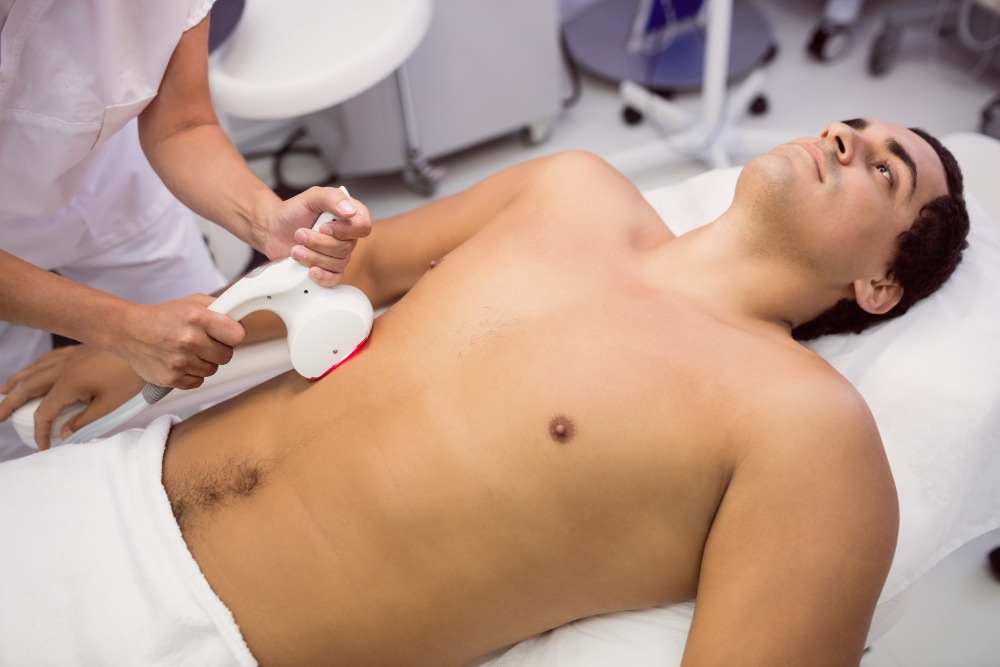
Patients are positioned comfortably, with the treatment area exposed. Depending on the condition being treated, you may sit or lie down on a treatment table. Both you and your chiropractor will wear protective eyewear to prevent any possibility of laser light reaching the eyes—a standard safety precaution with all laser devices.
Application Process:
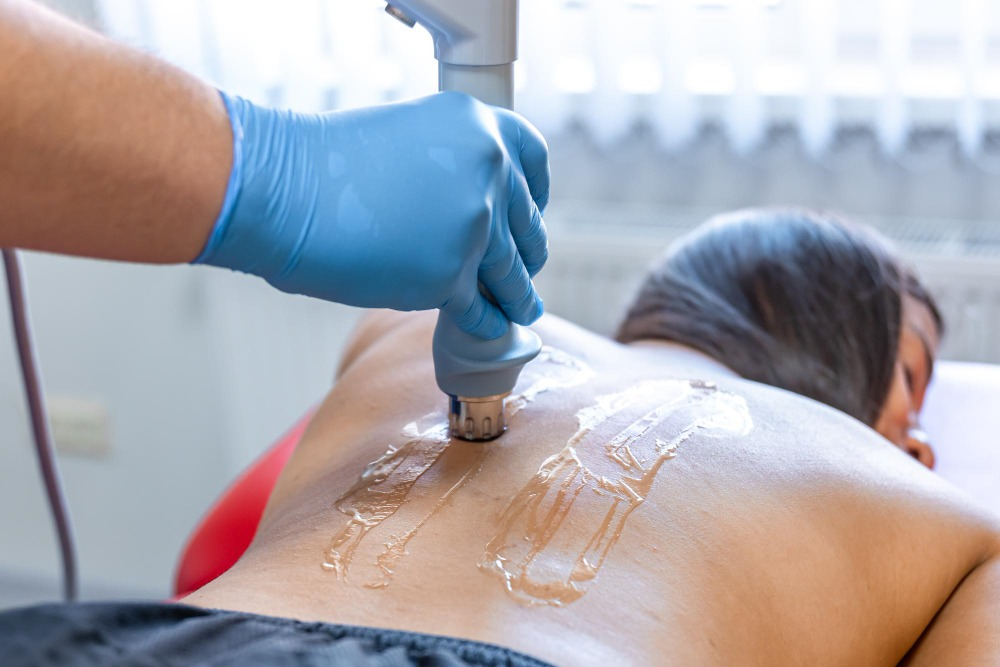
Your chiropractor will use a handheld laser device, typically about the size of a flashlight, which is held either touching or just above the skin over the affected area. The device emits a focused beam of light that penetrates through the skin layers to reach the underlying tissues. Sessions typically last between 5 and 15 minutes, depending on the size of the treatment area and the specific condition being addressed.
Sensations During Treatment:
Most patients experience little to no sensation during cold laser therapy—this is precisely why it’s called “cold” laser, as there is no heat or thermal effect on the tissues. Some patients report feeling a mild tingling sensation or warmth as circulation increases in the treated area, but there is no pain, vibration, or sound associated with the treatment. Many patients find the experience relaxing, with some even falling asleep during longer sessions.
Frequency and Duration of Treatments
The number and frequency of cold laser therapy sessions vary based on individual patient needs, the condition being treated, and how the patient responds to initial treatments.
Typical Treatment Course:
Most patients benefit from a series of treatments rather than a single session. A typical treatment course involves 8 to 15 sessions for optimal results, though some conditions may require fewer or more treatments depending on severity and chronicity. According to clinical guidelines, patients often begin noticing improvement after 3 to 5 treatments, though full benefits may take several weeks to manifest.
Treatment Frequency:
During the active treatment phase, sessions are typically scheduled 2 to 4 times per week. This frequency allows for cumulative therapeutic effects while giving tissues time to respond between sessions. As patients improve, the frequency may be reduced to maintenance sessions as needed.
Long-Term Results:
Research has shown that the positive effects of cold laser therapy can persist well beyond the treatment period. One study on migraine patients found that pain relief effects were still measurable six months after completing treatment, suggesting that the therapy produces lasting changes in tissue health rather than merely temporary symptom relief.
Personalized Treatment Plans
At our Oklahoma City chiropractic clinic, we recognize that every patient presents with unique circumstances, and treatment protocols must be tailored accordingly. Personalization involves several key factors.
Condition Severity: Acute injuries may respond quickly to a shorter treatment course, while chronic conditions that have developed over months or years typically require more extensive treatment plans to achieve lasting results.
Treatment Dosage: The specific parameters of laser treatment—including wavelength, power density, and treatment duration—are adjusted based on the location and depth of the affected tissues. Superficial conditions may benefit from different settings than deep tissue problems.
Integration with Other Therapies: Cold laser therapy often works best as part of a comprehensive treatment approach. Your chiropractor will develop a plan that may include spinal adjustments, shockwave therapy, rehabilitative exercises, and lifestyle recommendations to address all aspects of your condition.
Conditions Commonly Treated with Cold Laser Therapy
Musculoskeletal Injuries and Pain
Cold laser therapy has earned FDA clearance for treating a variety of musculoskeletal conditions, making it a versatile tool in the management of common pain complaints that bring patients to our Oklahoma City clinic.
Back Pain:
Chronic and acute back pain responds well to cold laser therapy, particularly when the pain involves muscle strain, ligament injury, or inflammation around spinal structures. The American College of Physicians has included low-level laser therapy among its recommendations for non-invasive treatment of low back pain, recognizing its evidence base for providing pain relief.
Neck Pain:
Research has demonstrated that cold laser therapy can be highly effective for neck pain, with effects lasting more than 20 weeks in some studies. For patients dealing with chronic neck tension, cervical disc problems, or muscle strain, this therapy offers meaningful relief without the need for medications.
Arthritis:
Both osteoarthritis and rheumatoid arthritis patients can benefit from cold laser therapy’s anti-inflammatory and pain-relieving effects. The therapy helps manage joint pain and stiffness while potentially slowing the progression of cartilage degeneration through its cellular-level effects.
Tendinitis and Soft Tissue Injuries:
Conditions such as tennis elbow, golfer’s elbow, rotator cuff tendinitis, and Achilles tendinopathy respond favorably to cold laser treatment. The therapy’s ability to stimulate collagen production and reduce inflammation makes it particularly well-suited for tendon healing.
Sprains and Strains:
Acute ligament sprains and muscle strains benefit from cold laser therapy’s ability to control inflammation while accelerating the repair process. Athletes and active individuals often incorporate laser therapy into their recovery protocols to speed return to activity.
Nerve Pain and Neuropathy
n
Cold laser therapy shows particular promise for conditions involving nerve damage or dysfunction, offering hope to patients who may have found limited relief from other treatments.
Sciatica:
Sciatic nerve pain often results from nerve compression or irritation caused by herniated discs, spinal stenosis, or muscle tension. Cold laser therapy addresses sciatica through multiple mechanisms: reducing inflammation that contributes to nerve compression, promoting nerve regeneration, and providing direct analgesic effects. Many patients experience significant reductions in the radiating pain, numbness, and tingling characteristic of sciatica.
Peripheral Neuropathy:
Patients with nerve damage from diabetes, injury, or other causes may benefit from cold laser therapy’s ability to stimulate nerve cell repair and reduce inflammation around damaged nerves. The therapy can help decrease numbness, tingling, and burning sensations associated with neuropathy.
Carpal Tunnel Syndrome:
The nerve compression that characterizes carpal tunnel syndrome responds to cold laser therapy’s anti-inflammatory effects, which can help reduce swelling in the carpal tunnel and relieve pressure on the median nerve.
Tendinitis and Soft Tissue Injuries:
For patients living with persistent pain conditions, cold laser therapy offers a valuable addition to comprehensive pain management strategies—particularly as healthcare moves toward reducing reliance on opioid medications.
Cold laser therapy provides a non-addictive, drug-free option that addresses the underlying causes of pain rather than simply masking symptoms. Research has shown that laser therapy can reduce patients’ dependence on pain medications, including both over-the-counter anti-inflammatory drugs and prescription opioids.
Quality of Life Improvements:
Beyond pain reduction, patients undergoing cold laser therapy often report improvements in sleep quality, mood, energy levels, and overall functional capacity. By addressing chronic pain at its source, the therapy can help restore patients’ ability to engage in work, recreation, and daily activities that pain had previously limited.
Benefits of Combining Cold Laser Therapy with Chiropractic Care
Enhanced Outcomes When Used Together
The integration of cold laser therapy with traditional chiropractic techniques creates a powerful synergy that can accelerate healing and improve patient outcomes beyond what either approach might achieve alone.
Complementary Mechanisms:
Chiropractic adjustments work to restore proper spinal alignment, relieve pressure on nerves, and optimize musculoskeletal function. Cold laser therapy enhances these effects by reducing inflammation, promoting tissue healing, and addressing cellular dysfunction in the affected areas. When used together, adjustments can “prepare” tissues for laser therapy by improving blood flow and nerve function, while laser therapy can help sustain the benefits of adjustments by reducing the inflammation that might otherwise cause tissues to tighten back into dysfunctional patterns.
Comprehensive Treatment Approach:
At our Oklahoma City clinic, we often combine cold laser therapy with other advanced modalities such as shockwave therapy to address complex conditions from multiple angles. While cold laser therapy excels at reducing inflammation and promoting cellular healing, shockwave therapy can break up scar tissue, stimulate blood flow, and trigger regenerative responses in chronic tendon conditions. Together with chiropractic adjustments, these therapies form a comprehensive approach to musculoskeletal health.
Case Examples
Chronic Back Pain:
Patients with long-standing back pain often present with a combination of spinal misalignment, muscle tension, and chronic inflammation. A treatment protocol incorporating spinal adjustments to restore proper alignment, cold laser therapy to reduce inflammation and promote tissue healing, and targeted exercises to strengthen supporting muscles can produce remarkable improvements in patients who may have struggled with pain for years.
Whiplash and Accident Injuries:
Whiplash injuries from auto accidents typically involve damage to multiple tissue types—including muscles, ligaments, discs, and nerves—along with significant inflammation. Cold laser therapy’s ability to address inflammation while promoting healing across all these tissue types makes it an ideal complement to chiropractic care for accident recovery. Many patients experience faster resolution of symptoms and reduced likelihood of chronic problems developing when laser therapy is incorporated early in their treatment.
Migraine and Headache Management:
Patients suffering from chronic headaches and migraines often have underlying neck tension, cervical misalignment, or TMJ dysfunction. Addressing these mechanical issues through chiropractic care while using cold laser therapy to reduce inflammation and promote healing in the affected tissues can provide lasting relief for many headache sufferers.
Safety, Side Effects, and Contraindications
Is Cold Laser Therapy Safe?
Cold laser therapy has an excellent safety profile, particularly when administered by trained healthcare professionals using FDA-cleared devices. The therapy has been used in clinical settings for decades, with research consistently demonstrating its safety for most patients.
Non-Invasive Nature:
Unlike surgical procedures, cold laser therapy requires no incisions, anesthesia, or recovery time. Patients can return to normal activities immediately following treatment sessions.
Minimal Side Effects:
Studies have found that cold laser therapy does not produce serious side effects when used properly. The most commonly reported effects are mild and temporary, including occasional warmth or tingling in the treatment area, temporary redness at the application site, and, rarely, minor temporary soreness as circulation improves and the healing process activates.
No Medication Interactions:
Cold laser therapy works through physical rather than pharmacological mechanisms, meaning it does not interact with medications. This makes it a safe option for patients who take multiple medications or who wish to avoid drug-related complications.
FDA Clearance:
Multiple cold laser devices have received FDA clearance for treating various conditions, including neck and shoulder pain, low back pain, and plantar fasciitis. This regulatory approval indicates that the devices have demonstrated both safety and effectiveness for their intended uses.
Who Should Avoid Cold Laser Therapy?
While cold laser therapy is safe for most people, certain conditions represent contraindications where treatment should be avoided or modified.
Pregnancy:
Cold laser therapy is not recommended for pregnant women, particularly over the abdomen or lower back, as the effects of the therapy on fetal development have not been adequately studied.
Cancer and Suspicious Lesions:
The therapy should not be applied directly over known cancerous lesions, carcinomas, or suspicious moles. While there is no evidence that cold laser therapy promotes cancer growth, caution is warranted given the therapy’s effects on cellular proliferation.
Eye Exposure:
Direct laser exposure to the eyes can cause damage to the retina. Proper protective eyewear must be worn during any treatment, particularly when treating areas near the face or head.
Thyroid Gland:
Cold laser therapy should not be applied directly over the thyroid gland due to the potential for stimulating thyroid activity.
Other Considerations:
Patients with pacemakers, cochlear implants, or other internal electronic devices should inform their provider, as laser therapy may potentially interfere with these devices. Those on immunosuppressive therapy should also consult with their provider, as the therapy may stimulate immune function.
Your chiropractor will conduct a thorough health history review before beginning treatment to identify any potential contraindications and ensure cold laser therapy is appropriate for your specific situation.
Preparing for Cold Laser Therapy
Patient Tips for Best Results
While cold laser therapy requires minimal preparation on the patient’s part, following a few simple guidelines can help optimize your treatment outcomes.
Hydration:
Staying well-hydrated supports optimal cellular function and helps your body respond to treatment. Drink plenty of water before and after your sessions.
Clean Skin:
Avoid applying lotions, creams, or oils to the treatment area before your session, as these can interfere with light penetration into the tissues.
Comfortable Clothing:
Wear loose, comfortable clothing that allows easy access to the treatment area. Depending on the location being treated, you may need to partially undress.
Communication:
Inform your chiropractor of any changes in your condition, new symptoms, or concerns between sessions. This information helps guide treatment adjustments and ensures you receive the most effective care.
Follow Provider Instructions:
Your chiropractor may provide specific preparation instructions based on your individual condition and treatment plan. Following these recommendations helps ensure optimal results.
Post-Treatment Care Recommendations
Activity Guidelines:
Most patients can resume normal activities immediately after treatment. However, if you’re treating an acute injury, your chiropractor may recommend modified activity levels to support healing.
Hydration:
Continue drinking plenty of water after treatment to support your body’s healing processes and help flush out metabolic waste products released during tissue repair.
Monitor Your Response:
Pay attention to how your body responds in the hours and days following treatment. Many patients notice gradual improvements between sessions, while some experience temporary increases in symptoms as the healing process activates. Report any unexpected or concerning reactions to your provider.
Follow-Up Therapies:
Cold laser therapy often works best as part of a comprehensive treatment plan. Attend all scheduled appointments, including chiropractic adjustments, shockwave therapy sessions if recommended, and any prescribed home exercises or stretches.
Consistency:
The benefits of cold laser therapy are cumulative, building with each successive treatment. Maintaining consistency with your treatment schedule helps ensure you achieve the best possible outcomes.
Conclusion
Cold laser therapy represents a significant advancement in non-invasive, drug-free treatment for pain and injury. By harnessing the power of specific light wavelengths to stimulate cellular healing, reduce inflammation, and relieve pain, this therapy offers hope to patients dealing with a wide range of musculoskeletal conditions—from acute injuries to chronic pain that has persisted despite other treatments.
The science behind cold laser therapy is well-established, with research demonstrating its ability to increase ATP production, modulate inflammatory responses, accelerate tissue repair, and support nerve regeneration. These mechanisms translate into real-world benefits for patients suffering from back pain, neck pain, sciatica, headaches, shoulder pain, whiplash injuries, and many other conditions.
What makes cold laser therapy particularly appealing is its excellent safety profile and ability to complement other treatments. When combined with chiropractic care, shockwave therapy, and rehabilitation exercises, cold laser therapy becomes part of a comprehensive approach that addresses the root causes of pain rather than merely masking symptoms.
If you’re living with chronic pain, recovering from an injury, or seeking alternatives to surgery and medication, cold laser therapy may be the solution you’ve been searching for. Our Oklahoma City chiropractic team specializes in creating personalized treatment plans that leverage the latest evidence-based therapies to help you achieve lasting relief and improved quality of life.
Frequently Asked Questions About Cold Laser Therapy