Shockwave Therapy: Effective Pain Relief Treatment
How Does Shockwave Therapy Work?
Perhaps most importantly, shockwave therapy modulates pain perception by hyperstimulating nerve endings, effectively “resetting” pain signals sent to the brain. The treatment also releases substance P, a neuropeptide that inhibits pain transmission, providing immediate and long-lasting relief for chronic pain sufferers.
Types of Shockwave Therapy
Healthcare providers select the appropriate type based on the specific condition, its location, and the depth of tissue involvement. Many practitioners utilize both modalities, sometimes within the same treatment session, to optimize therapeutic outcomes and address various aspects of complex musculoskeletal conditions.
Procedure and Patient Experience
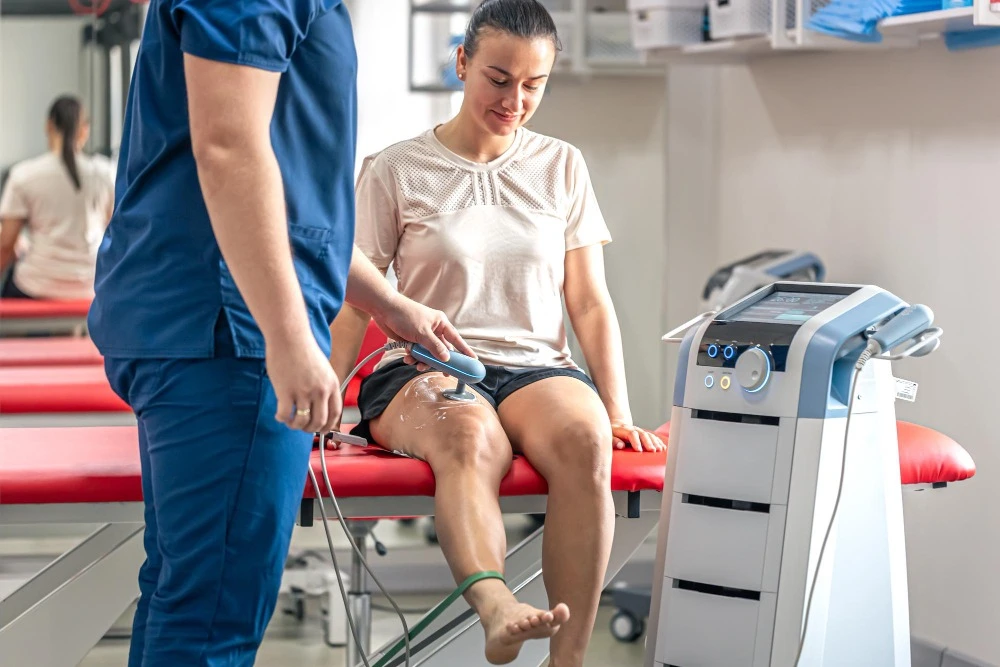
Most patients describe the sensation as tolerable, ranging from a mild tingling to moderate discomfort that feels like repeated tapping or percussion on the affected area. The intensity can be adjusted throughout the session to ensure patient comfort while maintaining therapeutic effectiveness. Each treatment typically lasts 5-15 minutes, depending on the size and number of areas being treated.
Conditions Treated with Shockwave Therapy
Calcific shoulder tendinitis, characterized by calcium deposits in the rotator cuff tendons, is another condition where shockwave therapy excels. The acoustic waves fragment these calcifications, allowing the body to reabsorb them naturally while reducing inflammation and pain. Similarly, tennis elbow (lateral epicondylitis) and golfer’s elbow (medial epicondylitis) benefit from the collagen-stimulating and pain-modulating effects of shockwave treatment.
practitioners have reported success using shockwave therapy as part of comprehensive treatment plans for patients with chronic headaches and migraines related to muscle tension, as well as soft tissue injuries resulting from whiplash and auto accidents. The therapy’s ability to reduce muscle tension and improve tissue healing makes it a valuable tool in multimodal treatment approaches.
Effectiveness and Research
The clinical evidence supporting shockwave therapy continues to grow, with numerous peer-reviewed studies demonstrating its effectiveness across various conditions. Meta-analyses of randomized controlled trials have shown success rates ranging from 65% to 91% for conditions like plantar fasciitis, with many patients experiencing sustained improvement long after treatment completion.
Research indicates that shockwave therapy not only reduces pain but also improves functional outcomes. Studies measuring patient mobility, strength, and quality of life consistently show significant improvements following treatment courses. Patient satisfaction surveys reveal high approval ratings, with many individuals reporting that shockwave therapy succeeded where other treatments had failed.
The evidence is particularly strong for chronic conditions that have persisted for more than six months, suggesting that shockwave therapy offers genuine hope for individuals facing otherwise limited treatment options. Long-term follow-up studies demonstrate that benefits often continue to accrue over months following treatment as tissue regeneration progresses.
Benefits of Shockwave Therapy

Shockwave therapy offers more than just short-term pain relief—it supports long-term healing, mobility, and overall quality of life. As a non-invasive and drug-free treatment, it provides a safe, effective alternative to surgery and pharmacological pain management. Below are the primary benefits that make shockwave therapy a preferred choice among patients and healthcare professionals alike.
Key Benefits at a Glance
Non-invasive treatment approach
Shockwave therapy does not involve incisions, needles, or anesthesia. This eliminates common surgical risks, including infection, scarring, or postoperative complications, and allows for faster recovery with minimal discomfort.
Avoids risks linked to medication use
Because the therapy is drug-free, it reduces dependency on medications like opioids, NSAIDs, or corticosteroid injections. This is especially beneficial for individuals who wish to avoid the side effects, tolerance, or risks associated with long-term pharmaceutical use.
Promotes natural healing and regeneration
Accelerates pain relief and mobility
Minimal downtime and short sessions
Safe for a wide range of patients
Integrates well with other therapies
The treatment can be safely combined with complementary care options like physical therapy and chiropractic care. This integrative approach enhances overall outcomes by addressing both structural and functional aspects of recovery.
Comparing Shockwave Therapy to Other Treatments
Who is a Candidate for Shockwave Therapy?
Ideal Candidates for Shockwave Therapy
- Individuals with chronic joint, tendon, or muscle pain lasting for weeks or months.
- Patients with conditions such as plantar fasciitis, tennis elbow, shoulder tendinopathy, or chronic back and neck pain.
- Those who have not achieved consistent relief from rest, ice, physiotherapy, or medications.
- People who prefer a drug-free, non-surgical solution for pain management.
- Athletes aiming to accelerate natural tendon and ligament healing while maintaining performance.
- Individuals unable to undergo invasive procedures because of age, health issues, or personal preference.
Who Should Avoid Shockwave Therapy
- Pregnancy, as the safety of energy waves has not been fully evaluated during gestation.
- Blood clotting disorders or ongoing anticoagulant therapy, which may increase bruising or bleeding risk.
- Active infections, open wounds, or tumors in or near the treatment area.
- The presence of pacemakers or implanted electronic devices that could interfere with treatment.
- Severe nerve disorders or uncontrolled diabetes affecting nerve sensitivity and healing capacity.
Professional Assessment and Custom Care
Before starting shockwave therapy, a thorough evaluation by a licensed healthcare provider is essential. During this consultation, the provider will:
- Review your medical history and current symptoms.
- Physically examine the affected area to identify the exact pain source.
- Discuss your treatment goals and overall health compatibility with shockwave therapy.
- Develop a customized treatment plan, possibly integrating complementary therapies such as
- chiropractic care
- or physical rehabilitation.
A professional assessment ensures your care plan is tailored to your condition, maximizing safety and therapeutic effectiveness.
Conclusion: Is Shockwave Therapy Right for You?
Shockwave therapy represents a safe, effective, and innovative approach to managing chronic pain and musculoskeletal conditions. Its non-invasive nature, impressive success rates, and minimal side effects make it an attractive option for many patients seeking alternatives to surgery or long-term medication use. By harnessing the body’s natural healing capabilities, this therapy offers genuine tissue regeneration and lasting relief rather than temporary symptom suppression.
FAQs
Frequently Asked Questions
How many shockwave therapy sessions will I need?
The number of sessions varies depending on your specific condition, its severity, and how long you’ve been experiencing symptoms. Most patients require 3-6 treatment sessions spaced about one week apart for optimal results. Chronic conditions that have persisted for years may need additional sessions, while acute injuries might respond more quickly. Your healthcare provider will assess your progress after each session and adjust your treatment plan accordingly. Many patients begin experiencing relief after just 1-2 sessions, though full benefits typically develop over several weeks as tissue regeneration continues.