Spinal decompression therapy is a non-surgical treatment that uses a specialized motorized table to gently stretch the spine and reduce pressure on compressed discs and nerves. Patients can expect a painless treatment, comfortable positioning on the table, and sessions lasting between 20 and 30 minutes. At Family Tree Chiropractic in Oklahoma City, we walk every patient through the full spinal decompression process before treatment begins, so there are no surprises.
What Spinal Decompression Therapy Actually Is
Spinal decompression therapy uses controlled, motorized traction to create gentle separation between the vertebrae of the spine. This separation produces negative pressure within the disc spaces, which does two important things.
First, it draws bulging or herniated disc material back toward the center of the disc, reducing pressure on the surrounding nerve roots. Second, it creates a pumping effect that pulls nutrient-rich fluid into the disc, supporting the healing process in tissue that otherwise has very limited blood supply.
This treatment is used most often for conditions including herniated discs, bulging discs, sciatica, degenerative disc disease, facet joint syndrome, and certain types of spinal stenosis. With 23 years of experience treating spine patients in Oklahoma City and my Chiropractic Certification in Spinal Trauma from the International Chiropractors Association, I’ve seen decompression produce results in cases where other treatments had stalled out.
Before Your First Decompression Session
Decompression is not something we recommend without a thorough evaluation first. Before any treatment, we do a comprehensive assessment including:
- Detailed history of your symptoms and any prior treatment
- Complete orthopedic and neurological examination
- Range-of-motion and muscle testing
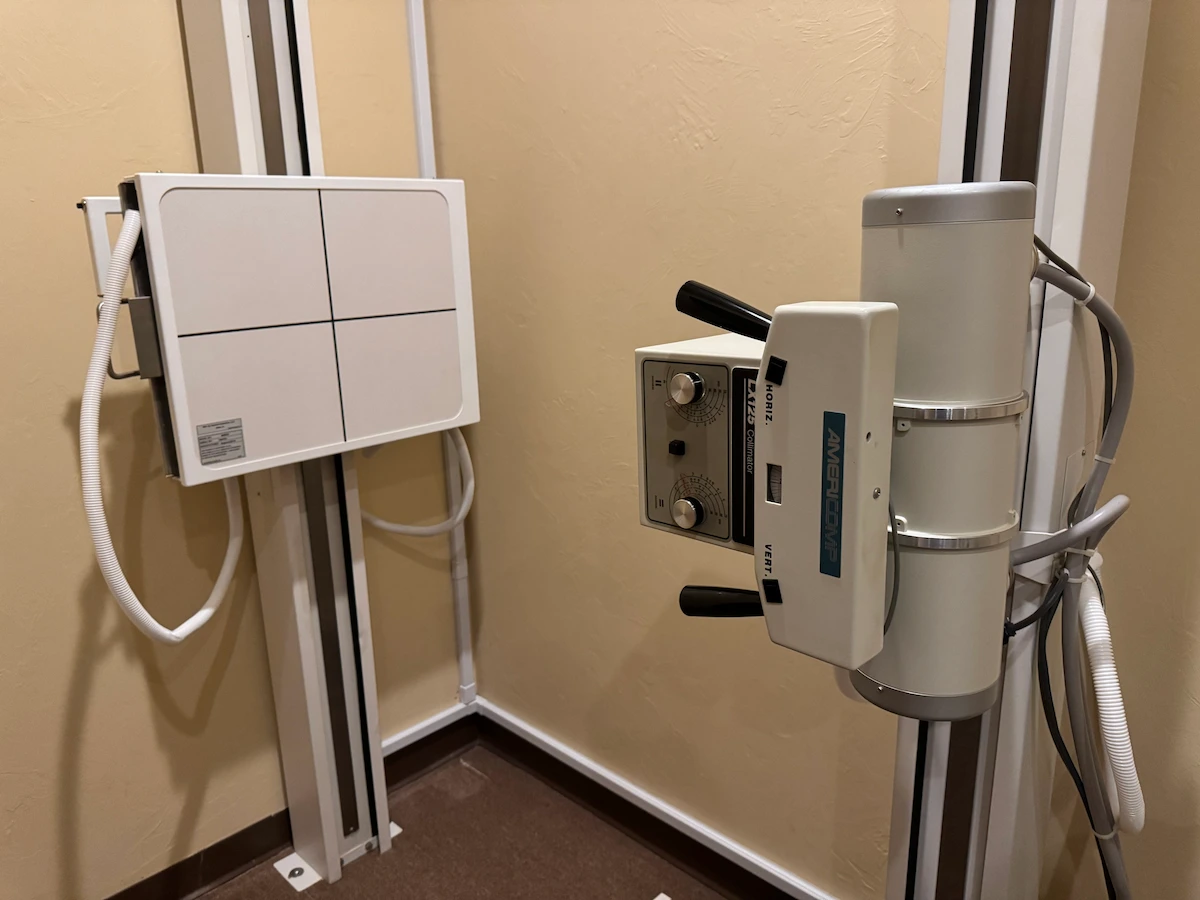
- On-site digital X-rays
- Review of any prior MRI or other imaging you’ve had
This step matters because spinal decompression isn’t appropriate for everyone. Patients with certain conditions including severe osteoporosis, spinal fractures, certain types of surgical hardware, advanced spondylolisthesis, and a few other specific issues should not receive decompression therapy. We do not guess. We test. That comprehensive evaluation is how we make sure decompression is the right call for your specific situation.
The Decompression Room and Equipment
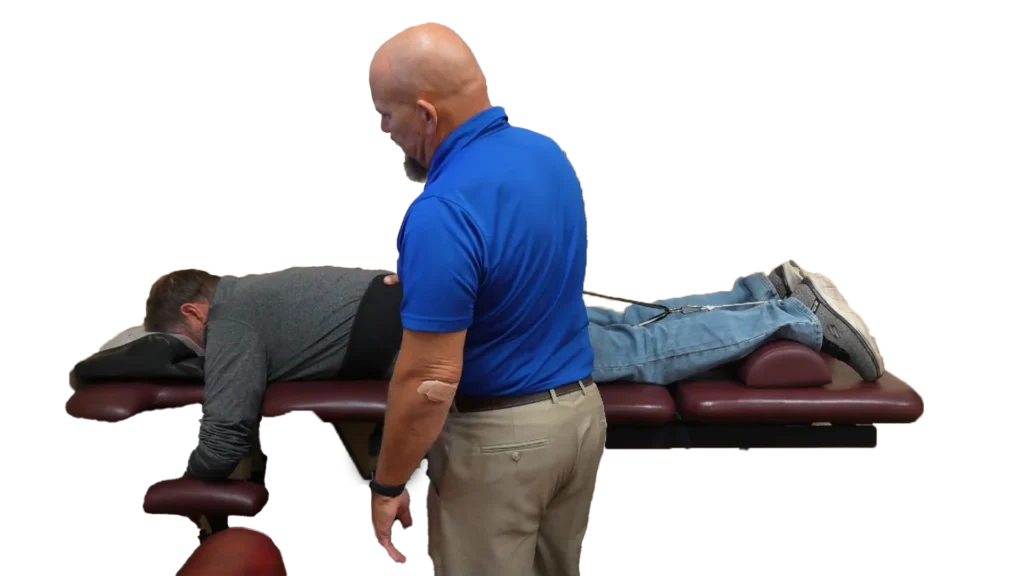
The decompression table looks somewhat like a standard exam table but with a few key differences. The table is split into two segments connected by a controlled motor. You lie on the table with a harness around your hips (for lumbar decompression) or a headpiece supporting your neck (for cervical decompression). The harness or headpiece anchors you to the moveable section of the table.
The room itself is set up to be comfortable. You can typically have music playing, the lights dimmed, and we make sure your positioning is supported by pillows under the knees or elsewhere as needed. The goal is for you to actually be able to relax during treatment, because relaxation is part of how the therapy works best.
What the Treatment Feels Like
This is the question almost every new decompression patient asks: does it hurt?
The honest answer is no, not in the typical sense. The table applies controlled traction to your spine, which most patients describe as a gentle pulling sensation. Some describe it as feeling like a slow, sustained stretch. Many patients actually find the sensation pleasant and report feeling more relaxed during and after the session than before it.
The table is computer-controlled to apply traction in cycles, increasing the pull gradually, holding it briefly, and then easing off before repeating. This intermittent pattern is what produces the pumping effect that helps draw fluid into the disc. The cycles continue throughout the session.
You’ll be in clear communication with us throughout. We monitor your comfort, adjust the settings as needed, and stop or modify the treatment immediately if anything feels uncomfortable. The traction force used is precisely controlled and never pushed beyond what your body tolerates well.
What Sensations Are Normal
Common sensations during and after decompression include:
- A gentle pulling or stretching feeling in the lower back or neck
- Mild tingling that subsides quickly
- A sense of release or relief
- Slight muscle soreness afterward, similar to mild exercise
What’s not normal: sharp pain, increased numbness or weakness, or any worsening of nerve symptoms. If anything like that happens during a session, we stop immediately and reassess.
How Long Each Session Lasts
A typical decompression session runs between 20 and 30 minutes of actual decompression time. Add in setup, positioning, and any complementary therapies like cold laser or muscle work, and a complete visit typically takes 30 to 45 minutes in our Oklahoma City clinic.
Most patients feel fine to drive home and return to normal daily activities afterward. We do typically recommend taking it easy with heavy lifting or strenuous exercise on treatment days, particularly during the first few weeks of care.
How Many Sessions You’ll Need
This depends entirely on your specific condition, how long it’s been present, and how your body responds. Most decompression protocols involve a series of sessions over four to eight weeks, with treatment frequency starting at three sessions per week and tapering as you progress.
For acute disc issues, you may see significant improvement within the first few sessions. For chronic, longstanding conditions, the response is more gradual and the full series matters more. We give you a clear treatment plan after your evaluation so you know what to expect from the start.
For a deeper look at typical recovery timelines, see our post on how long chiropractic treatment takes for common conditions.
What We Do Alongside Decompression
Decompression rarely works in isolation. The patients who get the best outcomes are the ones who receive comprehensive care that addresses all the contributing factors to their spinal problem.
At Family Tree Chiropractic, decompression is typically combined with:
Chiropractic adjustments to restore proper movement to spinal segments that have locked up. Joint dysfunction often accompanies disc problems, and addressing both produces faster results than treating either alone.
Cold laser therapy to reduce inflammation around the affected discs and nerves at the cellular level. This accelerates the healing response that decompression initiates.
Therapeutic massage to release the muscle guarding and tightness that develops around a chronic disc issue. Tight muscles continue to compress the spine and work against the decompression effects if not addressed.
Targeted rehabilitation to strengthen the stabilizers that support the spine long-term. Decompression takes the pressure off, but without proper stabilizer strength, the same issue can return once treatment ends. This is the correction phase of the R.E.S.T.O.R.E. Method.
What Decompression Does Not Do
Being honest about expectations matters. Here’s what spinal decompression won’t accomplish:
It won’t reverse severe structural damage. If your spine has significant degenerative changes, decompression can reduce symptoms and slow progression, but it doesn’t return your spine to factory condition.
It won’t fix problems caused by acute trauma, fractures, or unstable injuries. Those need different management.
It won’t produce overnight results. The cellular healing process takes time, and meaningful changes typically build over a series of sessions.
It won’t replace surgery in every case. For some severe conditions, surgical intervention is genuinely necessary. We’re honest about when decompression is a realistic alternative and when it’s not.
Frequently Asked Questions
Is spinal decompression the same as a chiropractic adjustment?
No. Adjustments involve a quick, controlled movement of specific spinal segments to restore proper joint function. Decompression involves sustained, controlled traction over a longer period to reduce pressure on discs and nerves. The two are complementary and often used together.
Can spinal decompression help if I’ve already had back surgery?
In many cases, yes. We carefully evaluate post-surgical patients to determine whether decompression is appropriate. For patients with persistent pain after a back surgery, decompression can sometimes provide relief that wasn’t achieved by the procedure. For more on this, see our post on back pain treatment options.
Will I need decompression treatments forever?
For most patients, no. A typical treatment series produces lasting results, and ongoing visits aren’t required. Some patients with severe chronic conditions benefit from periodic maintenance, but it’s not the standard expectation.
Is decompression covered by insurance?
Coverage varies by insurance plan. Some plans cover spinal decompression as part of conservative care for disc-related conditions; others do not. We’ll review your coverage and discuss costs upfront before any treatment begins.
Ready to Find Out If Decompression Is Right for You?
If you’ve been dealing with disc-related pain, sciatica, or chronic back issues that haven’t responded to other care, spinal decompression may be the missing piece. Family Tree Chiropractic in Oklahoma City offers thorough evaluation, honest recommendations, and comprehensive treatment that goes beyond just the decompression itself.
Call us at (405) 340-4400 or book your appointment online. New patients start with our $49 comprehensive special, which includes consultation, adjustment, X-ray, cold laser, and a massage voucher.