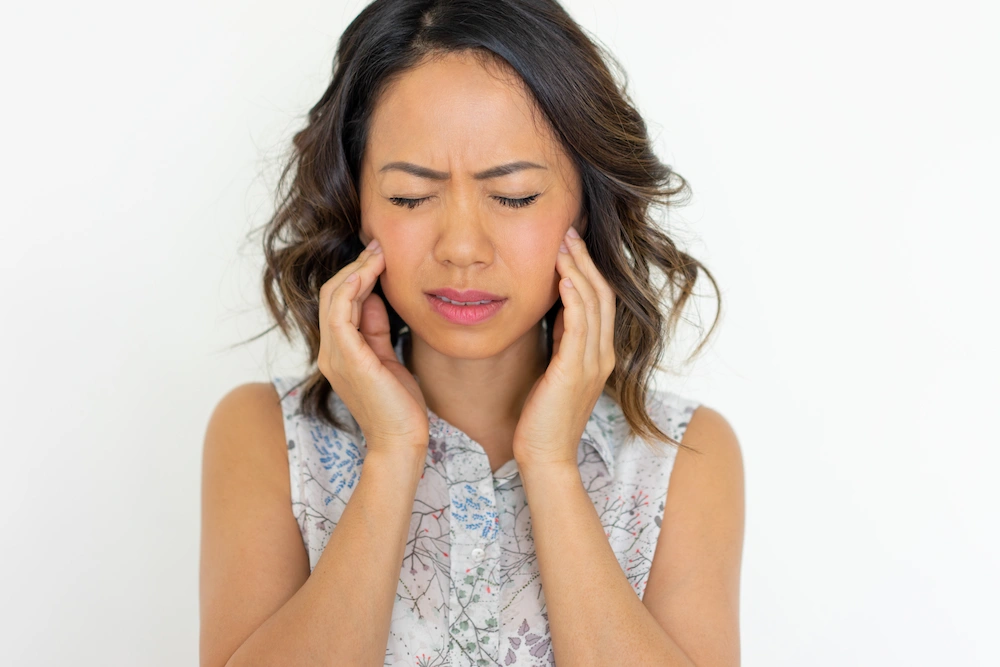
Chiropractic care can help with many cases of TMJ and jaw pain, particularly because the jaw joint and the upper neck are closely connected. Dysfunction in the cervical spine often contributes to jaw problems, and addressing the neck alongside the jaw itself can relieve pain, reduce clicking, and improve how the jaw moves. Not every case of jaw pain is chiropractic in nature, which is why evaluation matters, but for many patients here in Oklahoma City, this connection is the missing piece.
Understanding TMJ and What Goes Wrong
TMJ stands for the temporomandibular joint, the hinge that connects your jaw to your skull, located just in front of each ear. You have one on each side, and they work together every time you talk, chew, yawn, or swallow. When something goes wrong with these joints or the muscles that control them, the result is often called TMJ disorder or TMD.
The symptoms are more varied than people expect. Jaw pain and tenderness are the obvious ones, but TMJ problems also produce clicking or popping when you open your mouth, difficulty or discomfort chewing, jaw locking, facial pain, ear pain or fullness, and even headaches. Many patients don’t connect these symptoms to their jaw at first.
TMJ disorders can come from several sources: teeth grinding or clenching, stress, jaw injury, arthritis in the joint, misalignment, and muscle tension. Often it’s a combination of factors rather than a single cause.
The Jaw and Neck Connection Most People Miss
Here’s what often gets overlooked in TMJ treatment. Your jaw joint doesn’t function in isolation. It’s intimately connected to your upper cervical spine, both mechanically and neurologically.
The muscles that control your jaw share close relationships with the muscles of your neck. The nerves that supply the jaw region originate from the upper cervical spine. And the position of your head and neck directly affects the alignment and mechanics of your jaw. When your head sits forward of your body, as it does with poor posture, it changes the resting position of the jaw and the tension in the surrounding muscles.
This is why so many people with TMJ problems also have neck pain, tension headaches, and upper cervical dysfunction. The two regions influence each other constantly. Treating the jaw while ignoring the neck often means treating only half the problem.
In my 23 years of practice in Oklahoma City, I’ve seen many jaw pain patients who had focused entirely on their teeth and jaw without anyone examining their neck. Once we addressed the cervical component, the jaw symptoms often improved significantly.
How Chiropractic Care Addresses TMJ Pain
Chiropractic treatment for TMJ takes a whole-picture approach, addressing both the jaw itself and the cervical spine that influences it.
Restoring Cervical Spine Function
Because the upper neck plays such a large role in jaw mechanics and the nerves supplying the jaw, chiropractic adjustments that restore proper movement to the cervical spine often relieve jaw symptoms. When the upper neck moves correctly and nerve function improves, the jaw frequently follows.
Addressing Muscle Tension
TMJ problems almost always involve tight, overworked muscles, both in the jaw and in the neck and upper back. Soft tissue work and therapeutic massage release this tension, which reduces the pull on the jaw joint and eases pain. Cold laser therapy can also help reduce inflammation in the affected joint and muscles.
Improving Posture
Since forward head posture directly affects jaw mechanics, addressing postural issues is often part of TMJ treatment. When we correct the forward head position and strengthen the postural muscles, the jaw returns to a more natural resting position. Our post on posture correction covers this connection in more depth.
Jaw-Specific Techniques
Beyond the neck, we can work directly on the jaw joint and its surrounding muscles using gentle techniques to improve mobility and reduce tension in the muscles that control jaw movement.
The Headache Connection
Many TMJ patients also suffer from headaches, and this isn’t a coincidence. The muscle tension and joint dysfunction associated with TMJ problems are common triggers for tension headaches and can contribute to cervicogenic headaches that originate in the neck.
Because we address both the jaw and the cervical spine, patients often find that treating their TMJ also relieves their headaches. Our post on chiropractic treatment for headaches and migraines explains the upper cervical connection that links these conditions.
When TMJ Needs Other Care
I want to be honest about the limits here. Not every case of jaw pain is best addressed by chiropractic care alone, and a responsible evaluation includes recognizing when other providers should be involved.
Some TMJ problems are primarily dental in nature, related to bite alignment, teeth grinding, or issues that need a dentist or orthodontist. Severe structural problems within the joint itself may need specialized care. And some jaw pain has causes that require medical evaluation.
This is why we test rather than guess. When you come in with jaw pain, we evaluate thoroughly and determine whether chiropractic care is appropriate, whether you’d benefit from co-managing with your dentist, or whether you need a referral elsewhere. Often the best outcomes come from a combined approach, with chiropractic addressing the cervical and muscular components while a dentist addresses the dental ones.
What to Expect With Treatment
For TMJ cases that are appropriate for chiropractic care, many patients begin noticing improvement within the first few weeks. Reduced pain, less clicking, and easier jaw movement are common early signs of progress.
The full course of care depends on how long the problem has been present and what’s driving it. As part of the R.E.S.T.O.R.E. Method, we don’t just relieve the symptoms. We work to correct the underlying cervical and muscular dysfunction and strengthen the supporting structures so the improvement lasts.
Frequently Asked Questions
Can a chiropractor fix TMJ?
Chiropractic care can significantly help many TMJ cases, especially those involving cervical spine dysfunction and muscle tension. Whether it fully resolves your case depends on the underlying cause. Some cases benefit from combined care with a dentist. A proper evaluation determines the best approach.
Why does my jaw click when I open my mouth?
Jaw clicking often results from the disc within the joint moving improperly, or from muscle tension and joint dysfunction affecting how the jaw tracks. If the clicking comes with pain, locking, or difficulty chewing, it’s worth getting evaluated.
Can neck problems cause jaw pain?
Yes, frequently. The upper cervical spine and the jaw are closely connected mechanically and neurologically. Neck dysfunction is a common and often overlooked contributor to jaw pain, which is why we always evaluate the neck in TMJ cases.
Is TMJ treatment painful?
No. The techniques we use for the jaw and neck are gentle. Most patients find treatment comfortable and often feel relief of muscle tension during and after sessions.
Ready to Address Your Jaw Pain at the Source?
If jaw pain, clicking, or TMJ symptoms have been wearing on you, the answer may lie in a connection no one has checked yet. Family Tree Chiropractic in Oklahoma City evaluates both your jaw and the cervical spine that influences it, so we can address the real source of the problem.
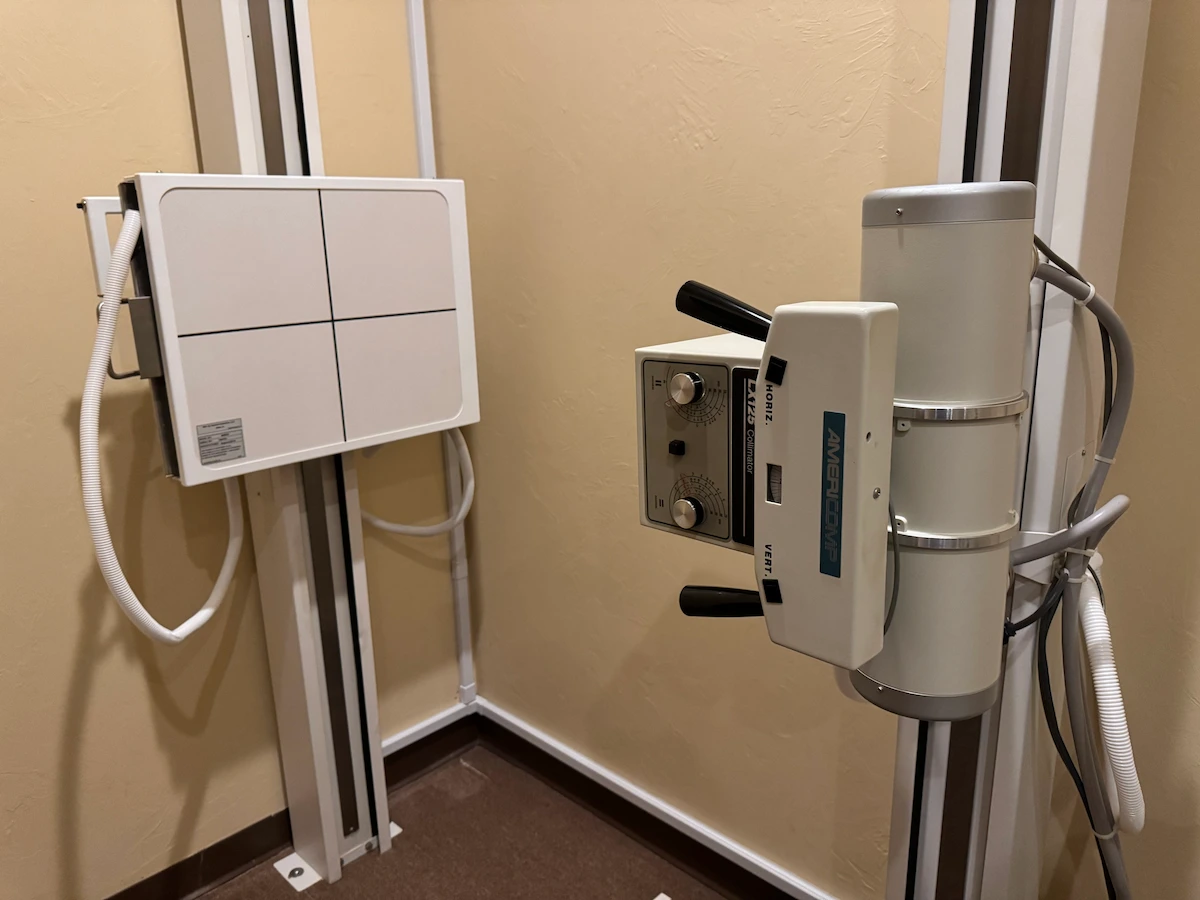
Call us at (405) 340-4400 or book your appointment online. New patients start with our $49 comprehensive special, including consultation, adjustment, X-ray, cold laser, and a massage voucher.