
Posture correction requires more than just remembering to stand up straight, involving comprehensive treatment that addresses tight muscles, weak muscles, spinal misalignments, and neuromuscular patterns that keep pulling you back into poor posture. At Family Tree Chiropractic in Oklahoma City, Dr. Micah Carter uses the R.E.S.T.O.R.E. Method to retrain your body’s postural habits, strengthen supporting muscles, and restore proper spinal alignment for lasting improvement. True posture correction takes 8-12 weeks but creates changes that last.
Why “Just Stand Up Straight” Doesn’t Work
If fixing posture were as simple as standing up straight, nobody would have postural problems. You probably already try to maintain good posture. But within minutes, you’re slouching again without even realizing it.
Poor posture develops from multiple factors working together. Weak muscles can’t support proper alignment. Tight muscles pull you into abnormal positions. Spinal misalignments make correct posture uncomfortable. Your nervous system has learned poor posture as “normal.”
Telling yourself to stand straighter addresses none of these underlying problems. It’s like trying to drive a car with misaligned wheels by gripping the steering wheel harder. You need to fix the alignment, not just try harder.
Common Postural Problems We See
Forward Head Posture
Forward head posture (also called tech neck) is the most common postural problem I see. Your head sits 2-3 inches forward of where it should be, creating enormous stress on your neck.
For every inch your head moves forward, the effective weight on your neck increases by about 10 pounds. If your head is 3 inches forward, your neck muscles are working against an extra 30 pounds all day long.
This constant strain causes neck pain, headaches, and upper back tension. Over years, it accelerates degenerative changes in your cervical spine.
Rounded Shoulders
Rounded shoulders go hand-in-hand with forward head posture. Your shoulders roll forward and inward, creating a hunched appearance. This position is comfortable because your chest muscles have shortened from constant sitting and computer work.
But rounded shoulders cause shoulder pain, restricted breathing, and make you look older than you are. The muscles between your shoulder blades get overstretched and weak while chest muscles get tight and short.
Excessive Lower Back Curve
Some people develop excessive lumbar lordosis where the lower back curves too much. This creates a swayback appearance and puts abnormal stress on lower back joints and discs.
Tight hip flexors from prolonged sitting often contribute to excessive lumbar curve. Weak core muscles that can’t stabilize the pelvis make it worse. The result is chronic lower back pain.
Flat Back Posture
The opposite problem is flat back posture where the normal lumbar curve is reduced or absent. This creates different but equally problematic stress patterns on the spine.
Flat back posture often develops from overcompensation, muscle imbalances, or previous injuries. It reduces the spine’s natural shock absorption and accelerates disc degeneration.
Health Problems Caused by Poor Posture
Poor posture affects far more than just your appearance. The biomechanical stress creates real health problems that worsen over time.
Chronic pain develops in the neck, upper back, and lower back. Headaches become frequent. Shoulder problems develop from abnormal mechanics. Your spine degenerates faster than it should.
Breathing can be affected by rounded shoulder posture that restricts chest expansion. Some people experience digestive problems from compressed abdominal organs. Fatigue increases because poor posture requires more energy expenditure.
Long-Term Consequences
Over years and decades, poor posture accelerates spinal degeneration. Discs break down faster. Arthritis develops earlier. Spinal stenosis becomes more likely.
Poor posture also affects balance and increases fall risk as you age. The body’s center of gravity shifts, making you less stable. Proprioception (knowing where your body is in space) deteriorates.
These aren’t just problems for the elderly. I see people in their 30s and 40s with significant degenerative changes from poor posture that started in their teens and twenties.
How We Correct Posture Comprehensively
Chiropractic Adjustments
Chiropractic adjustments restore proper spinal alignment that’s essential for good posture. When vertebrae are misaligned, maintaining correct posture becomes difficult or impossible.
Adjustments also reduce nerve interference that affects muscle function. When nerves work properly, muscles can maintain proper tone and support better posture.
I focus on the areas most commonly misaligned with poor posture: upper cervical spine, mid-thoracic spine, and lumbar-pelvic junction. Correcting these key areas allows the rest of the spine to align more easily.
Releasing Tight Muscles
Chronically tight muscles pull you into poor posture. Shortened chest muscles pull your shoulders forward. Tight hip flexors tilt your pelvis forward. Tight suboccipital muscles at the base of your skull pull your head forward.
We use therapeutic massage, specific stretches, and manual therapy to release these tight muscles. This allows your body to move into correct postural positions.
The Pedabon system we use provides full spinal correction through targeted stretching. This releases chronic tension patterns that have been pulling you into poor posture for years.
Strengthening Weak Muscles
Weak muscles can’t maintain proper posture even when tight muscles are released and the spine is adjusted. Deep neck flexors, lower trapezius, rhomboids, and core muscles all need strengthening.
I provide specific exercises that target postural muscles. These aren’t general fitness exercises. They’re corrective exercises designed to rebuild the exact muscles needed for proper posture.
Consistent exercise compliance is critical. Patients who do their strengthening exercises 3-4 times weekly achieve lasting posture correction. Those who don’t usually regress.
The R.E.S.T.O.R.E. Method for Posture Correction
Our R.E.S.T.O.R.E. Method is perfect for posture correction because it addresses all the factors that create and maintain poor posture.
We start by taking away pain that poor posture has created. Pain reduction through adjustments and therapy makes it easier to work on actual correction.
Then we systematically release tight muscles, strengthen weak muscles, and retrain your neuromuscular system. Each phase builds on the previous one for comprehensive correction.
Neuromuscular Re-Education
This is the secret to lasting posture correction. Your nervous system has learned poor posture as normal. Your brain knows where your body is supposed to be, but that “supposed to be” is the slouched position.
Neuromuscular re-education retrains your brain-muscle connection. Through specific exercises and postural awareness training, your nervous system learns to maintain proper alignment automatically.
This is a big fancy term for muscle memory. Once your nervous system learns correct posture, maintaining it becomes effortless instead of requiring constant conscious effort.
Ergonomic Corrections
Fixing your posture while continuing the same activities that caused poor posture doesn’t work long-term. Workspace ergonomics need correction.
Computer monitor height should place the top of the screen at or slightly below eye level. This prevents the forward head posture that develops from looking down at screens.
Chair height and desk setup matter enormously. Your feet should rest flat on the floor with knees at 90 degrees. Forearms should rest parallel to the floor when typing.
Phone and Device Usage
Phone usage is a major contributor to poor posture. Bring the phone to eye level instead of looking down at it. This feels awkward initially but becomes natural quickly.
Tablet and laptop use often requires external keyboards and stands to achieve proper screen height. The built-in keyboards encourage hunched postures that damage your spine over time.
These ergonomic changes aren’t optional if you want lasting posture correction. You can’t spend eight hours daily in poor positions and expect exercises to fix everything.
Exercises for Better Posture
Chin Tucks
Chin tucks strengthen deep neck flexors that support proper head position. Pull your chin straight back without tilting your head up or down. Hold for 5-10 seconds. Repeat 10 times, several times daily.
This exercise directly counteracts forward head posture. Done consistently, it significantly improves neck alignment.
Wall Angels
Stand with your back against a wall, arms raised to form a “W” shape. Slowly slide arms up and down the wall while keeping back and arms in contact. This strengthens muscles that retract your shoulder blades.
Wall angels are difficult for people with rounded shoulders. That difficulty indicates exactly why you need this exercise. Keep working at it even if your range is limited initially.
Plank Variations
Core strength is essential for posture. Planks build core endurance needed to maintain proper spinal position throughout the day.
Start with short holds (20-30 seconds) and gradually increase duration. Proper form matters more than time. A 30-second plank with perfect form beats a 2-minute plank with sagging hips.
Hip Flexor Stretches
Tight hip flexors from prolonged sitting tilt your pelvis forward and increase lower back curve. Regular hip flexor stretching is critical for lower body posture.
Kneel with one knee down, other foot forward. Push hips forward gently until you feel a stretch in the front of your back hip. Hold 30 seconds, repeat 3 times each side.
Timeline for Posture Correction
True posture correction takes 8-12 weeks of consistent treatment and exercise. Anyone promising faster results isn’t being realistic about the comprehensive changes required.
Initial improvements happen quickly. Pain often reduces within 2-3 weeks. You’ll notice you can hold correct posture more easily within a month.
Full correction requires the entire 8-12 weeks because you’re rebuilding muscle, retraining your nervous system, and creating lasting structural changes. Shortcuts don’t exist for this process.
Maintenance After Correction
Once we achieve good posture, maintaining it requires ongoing awareness and occasional tune-ups. Continue your home exercises at least 2-3 times weekly indefinitely.
Many patients benefit from monthly or every-other-month maintenance adjustments even after completing intensive correction. This catches small problems before they become big ones.
Posture Assessment
Your first visit includes comprehensive postural assessment. We analyze your posture from multiple angles, identifying specific problems and measuring deviations from normal.
Digital photography helps document your starting posture. Progress photos throughout treatment show objective improvement even when you can’t feel the changes day-to-day.
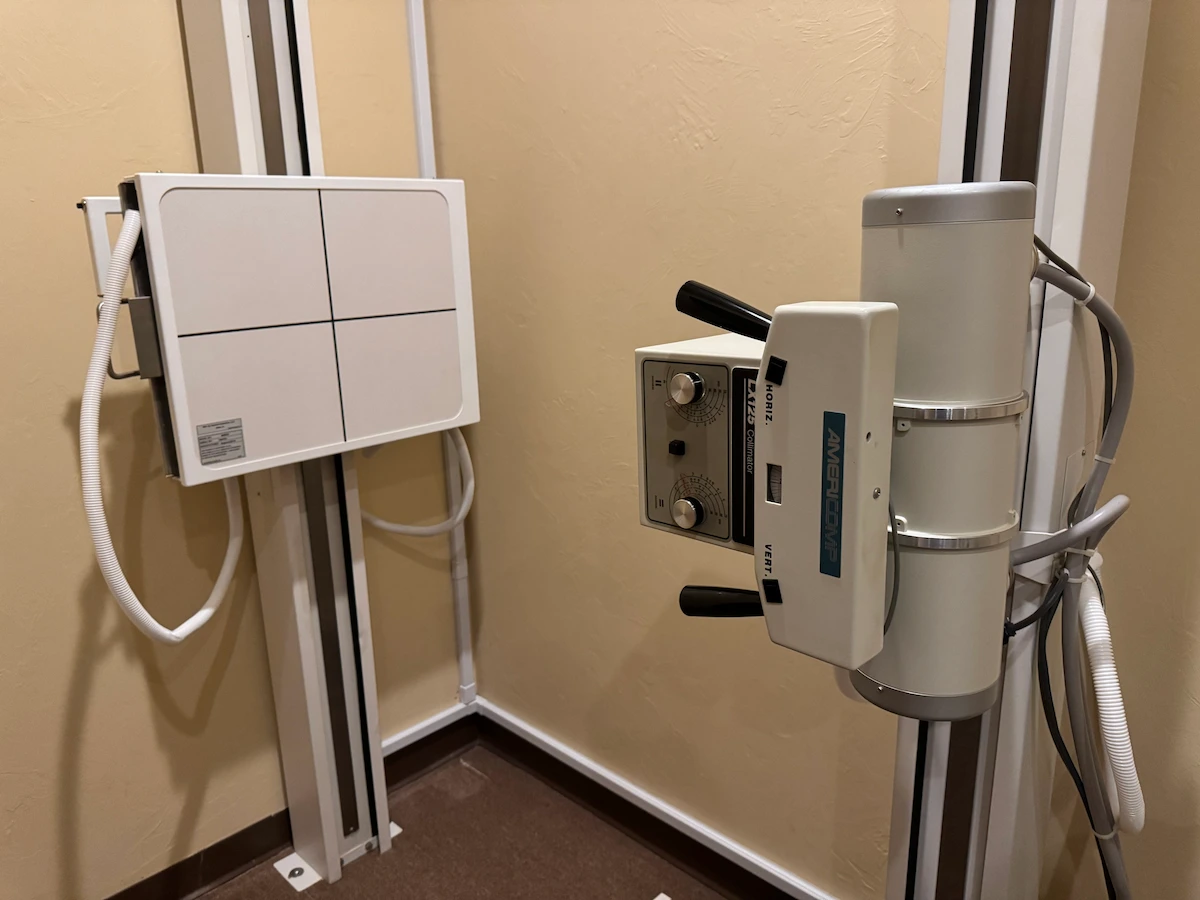
We also assess the underlying causes of your postural problems. Muscle testing identifies which muscles are weak. Flexibility testing shows which muscles are tight. Spinal X-rays reveal structural misalignments.
Real Posture Correction Success Stories
I treated a 35-year-old software developer with severe forward head posture and rounded shoulders. His head was literally 4 inches forward of where it should be. He had constant neck pain and daily headaches.
We completely redesigned his workspace ergonomics. Three months of adjustments, muscle work, and specific exercises corrected his posture dramatically. His headaches resolved and neck pain reduced by 90%.
Another patient, a high school teacher, developed increasing back pain from years of poor posture. She felt like she was aging faster than she should, looking hunched and older than her 42 years.
Comprehensive posture correction not only eliminated her pain but took years off her appearance. She stood taller, looked more confident, and felt better than she had in a decade.
Why Posture Matters for Overall Health
Good posture isn’t just cosmetic. It affects how your entire body functions. Proper spinal alignment ensures optimal nervous system function.
Better posture means better breathing, more energy, less pain, and slower spinal degeneration. You move better, feel better, and function better.
Investing time and effort in posture correction pays dividends for the rest of your life. The alternative is progressive deterioration and increasing pain as you age.
Getting Started with Posture Correction
Your journey to better posture starts with comprehensive evaluation. We’ll identify your specific postural problems and the underlying causes.
On your second visit, you’ll receive a detailed treatment plan including expected timeline and what work needs to be done. You’ll understand exactly what’s required from both me and you for successful correction.
Don’t accept poor posture as inevitable. Call Family Tree Chiropractic at (405) 340-4400 to schedule your posture evaluation with Dr. Carter. We’ll assess your posture, identify problems, and create a comprehensive correction plan. Visit our contact page to book online.