

Chronic back pain in Oklahoma City affects thousands of people who aren’t sure whether they should see a chiropractor, wait it out, or head straight to their primary care doctor. At Family Tree Chiropractic, Dr. Micah Carter, DC helps patients understand what’s causing their back pain and whether chiropractic care is the right approach for their specific situation.
After 23 years in practice and hundreds of thousands of adjustments, I can tell you this: most chronic back pain responds well to conservative chiropractic treatment—but not all of it. Knowing the difference matters.
What Qualifies as Chronic Back Pain

Acute back pain lasts a few days to a few weeks. You hurt your back moving furniture, you rest for a bit, it gets better. That’s normal.
Chronic back pain is different. It’s pain that persists for 12 weeks or longer, or pain that keeps coming back in recurring episodes. Maybe it started years ago and never fully resolved. Or it flares up every few months, interfering with work, sleep, and activities you used to enjoy.
People describe chronic back pain in different ways:
- Constant dull ache in the lower back
- Sharp, stabbing pain with certain movements
- Stiffness, especially first thing in the morning
- Pain that radiates into the hips or legs
- Muscle spasms or tightness
- Decreased range of motion
If you’ve been dealing with any of this for three months or more, you have chronic back pain. And you shouldn’t just accept it as your new normal.
When Chiropractic Care Is the Right Choice
Chiropractic treatment works exceptionally well for certain types of chronic back pain. Here’s when you should consider seeing a chiropractor:
Mechanical Back Pain
This is pain caused by problems with how your spine moves and functions. Misaligned vertebrae, restricted joints, muscle imbalances, postural stress—all of these create mechanical dysfunction that leads to chronic pain.
Chiropractors are specifically trained to identify and correct these mechanical issues. That’s our specialty.
Failed Conservative Treatment
If you’ve tried rest, over-the-counter pain medications, heating pads, and basic stretching without lasting improvement, chiropractic care is a logical next step before considering more aggressive interventions.
We use multiple treatment modalities—adjustments, spinal decompression, massage therapy, cold laser, shockwave therapy—to address pain from multiple angles.
Disc-Related Issues
Bulging discs, herniated discs, and degenerative disc disease often respond well to chiropractic care, particularly spinal decompression. If imaging shows disc problems contributing to your chronic pain, we can frequently help you avoid surgery.
Postural Strain
Sitting at a desk for eight hours a day, repetitive movements at work, poor sleeping positions—these create chronic stress on your spine. Chiropractic adjustments combined with postural correction and exercises can resolve this type of back pain.
Chronic Muscle Tension
Tight, overworked muscles in your back often develop because of spinal misalignment or poor movement patterns. Chiropractic care addresses both the joint dysfunction and the muscular component.
Red Flags: When to See a Medical Doctor First
Some types of back pain need medical evaluation before chiropractic treatment. See your doctor immediately if you experience:
Sudden, severe back pain after trauma. Car accidents, significant falls, or other injuries could mean fractures or internal damage.
Back pain with fever or unexplained weight loss. This could indicate infection or other serious medical conditions.
Loss of bowel or bladder control. This is a medical emergency called cauda equina syndrome.
Progressive numbness or weakness in your legs. Worsening neurological symptoms need prompt medical attention.
Back pain that wakes you from sleep and doesn’t improve with position changes. While many types of back pain hurt worse at night, pain that’s completely unaffected by how you’re lying could indicate something more serious.
History of cancer. Back pain in cancer patients requires medical evaluation to rule out metastasis.
I always tell patients: if you’re not sure whether your back pain is serious, get it checked by a medical doctor. It’s better to rule out serious conditions first. We work collaboratively with primary care physicians and specialists when needed.
How We Evaluate Chronic Back Pain
At Family Tree Chiropractic, every evaluation starts with a simple principle: we don’t guess, we test.
Your first visit includes a comprehensive history. When did the pain start? What makes it better or worse? Have you had back pain before? What treatments have you tried? Do you have any other health conditions? These details help us understand the full picture.
We perform orthopedic and neurological testing to assess how your spine moves, where you’re restricted, and whether there are any nerve involvement. Range of motion testing shows exactly where you’re limited. Muscle testing identifies weaknesses or imbalances.
Digital X-rays give us a clear picture of your spinal alignment and any structural issues like arthritis, scoliosis, or disc degeneration. If you have recent MRI or CT scans, we review those as well.
As a former teacher, I spend time explaining what we find. I’ll show you your X-rays, point out areas of concern, and walk through why you’re experiencing pain in specific patterns. No medical jargon you have to look up later.
Then we discuss whether chiropractic care is appropriate for your situation. If it is, we create a treatment plan. If it’s not, I’ll refer you to the right specialist.
The R.E.S.T.O.R.E. Method for Chronic Back Pain
When we treat chronic back pain at Family Tree, we use the R.E.S.T.O.R.E. method—our comprehensive system that addresses both immediate pain relief and long-term correction.
Relief: We focus on reducing pain as quickly as possible using chiropractic adjustments, decompression, cold laser, or other appropriate therapies.
Evaluate: Ongoing assessment ensures we’re moving in the right direction. If something’s not working, we adjust the plan.
Strengthen: Weak core muscles are a major contributor to chronic back pain. We incorporate exercises that build strength and stability.
Tissue work: Massage therapy releases chronic muscle tension and improves circulation to damaged tissues.
Optimize: We address contributing factors like poor posture, improper lifting techniques, or workplace ergonomics.
Retrain: Neuromuscular re-education corrects faulty movement patterns that keep triggering your pain.
Educate: Patient education is central. Understanding why you have chronic back pain and what you can do about it empowers you to take control of your health.
This isn’t a cookie-cutter approach where everyone gets the same treatment. Your plan is specific to what’s causing your chronic pain.
What to Expect During Treatment
Most patients with chronic back pain start with 2-3 visits per week for the first few weeks. As improvement happens, we space appointments out.
You should see measurable progress within the first month. Maybe you’re sleeping better, moving more easily, or able to sit through your workday without constantly adjusting positions. These improvements tell us the treatment is working.
Full resolution of chronic back pain often takes several months, especially if you’ve had the problem for years. The tissue damage and dysfunction didn’t develop overnight, and correction takes time.
That said, many patients notice significant relief within the first few weeks even if complete resolution takes longer.
If you’re not improving after 4-6 weeks of appropriate treatment, we reassess. Sometimes we need to adjust the approach. Sometimes additional imaging is needed. And occasionally, despite our best efforts, a patient needs referral to a specialist for different intervention.
I’m always honest about that. Our goal is getting you better, not keeping you in treatment that isn’t working.
Treatment Options We Use
Family Tree Chiropractic offers comprehensive care under one roof. Depending on what’s causing your chronic back pain, your treatment plan might include:
Chiropractic Adjustments
Gentle, specific adjustments restore proper spinal alignment and joint function. This reduces nerve interference, decreases inflammation, and allows your body to heal.
Spinal Decompression
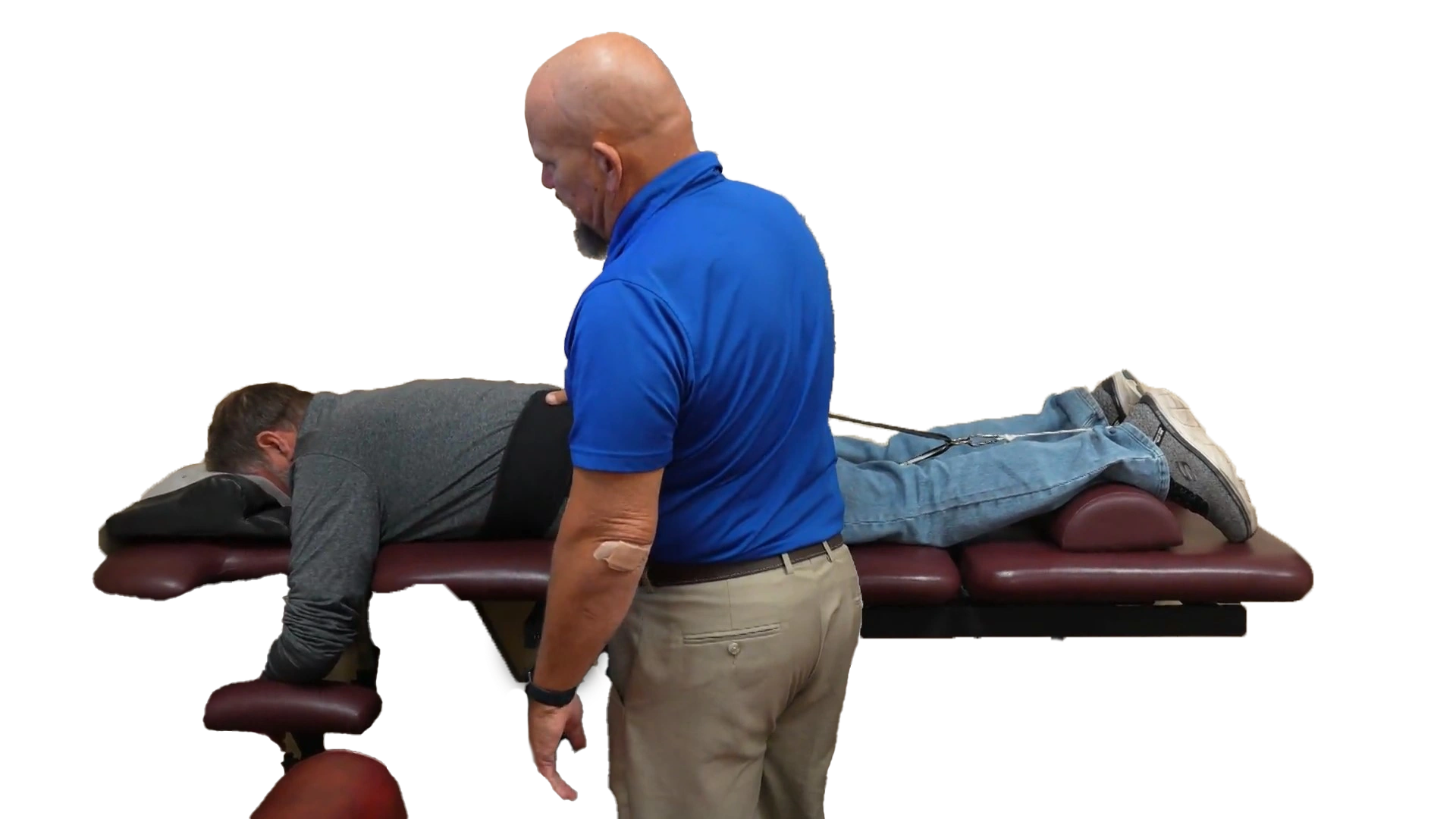
For disc-related chronic back pain, decompression therapy creates negative pressure inside the disc, promoting healing and reducing nerve compression.
Cold Laser Therapy
Low-level laser therapy accelerates tissue healing, reduces inflammation, and provides pain relief at the cellular level.
Shockwave Therapy
For chronic muscle pain or soft tissue restrictions, shockwave therapy breaks down scar tissue and stimulates healing. I consider it one of the best treatments available for stubborn cases.
Massage Therapy
Licensed massage therapists release chronic muscle tension, improve circulation, and complement the other treatments you’re receiving.
Rehabilitation Exercises
Targeted exercises strengthen weak areas, improve flexibility, and correct movement patterns that contribute to chronic pain.
Why Chronic Back Pain Keeps Coming Back
Here’s what frustrates people: they feel better for a while, then the pain returns. Why?
Usually because the symptom was treated but the root cause wasn’t addressed. Pain medication reduces inflammation, but it doesn’t fix the misaligned vertebrae that created the inflammation. Rest gives your back a break, but it doesn’t correct the weak core muscles that can’t properly support your spine.
At Family Tree, we focus on finding and fixing the root cause. If poor posture at your desk is creating chronic strain, we address the ergonomics and strengthen the muscles that support good posture. If a herniated disc is the culprit, we work to heal the disc and prevent future herniations.
This is why the R.E.S.T.O.R.E. method includes retraining and education—we’re not just getting you out of pain, we’re preventing it from stealing more time from you.
When You Should Seek Chiropractic Care
Don’t wait until chronic back pain completely disrupts your life. Early intervention works faster and prevents compensation patterns from developing.
Good reasons to schedule an evaluation:
- Back pain lasting more than a few weeks despite rest and over-the-counter treatment
- Recurring episodes of back pain
- Stiffness that limits your daily activities
- Pain that’s affecting your sleep or work performance
- You’re relying on pain medication regularly just to get through the day
- You want to address the root cause rather than just mask symptoms
Chiropractic care works best when you’re proactive, not when you’re in crisis.
Getting Back to Your Life
The goal isn’t just managing chronic back pain—it’s getting rid of it so you can return to the activities you love.
That means yard work without bracing yourself before you bend over. Playing golf without worrying about your swing. Picking up your grandkids without hesitation. Sleeping through the night in any position. Going through your workday without constantly shifting in your chair.
At Family Tree Chiropractic in Oklahoma City, we’ve helped thousands of patients move past chronic back pain and back to normal function. The comprehensive approach works because we’re addressing the actual problem, not just chasing symptoms. If you’d like to learn more about our healing process you can read that on our process page.
Frequently Asked Questions
How long does it take to fix chronic back pain with chiropractic care?
It varies based on severity, how long you’ve had the pain, and what’s causing it. Many patients notice improvement within 2-4 weeks, but full resolution of chronic issues often takes 2-3 months of consistent treatment.
Is chiropractic treatment safe for chronic back pain?
Yes, when performed by a licensed, experienced chiropractor. Serious complications are extremely rare. We thoroughly evaluate every patient to ensure chiropractic care is appropriate and safe for their specific condition.
Will I need chiropractic care forever?
Most patients transition to maintenance care once their chronic pain is resolved—periodic visits to keep everything functioning well, similar to getting your teeth cleaned. Some people choose to stop treatment once pain-free. It’s your choice.
Does insurance cover chiropractic for chronic back pain?
Many insurance plans cover chiropractic care. We verify benefits and discuss payment options during your consultation. Even if insurance doesn’t cover everything, many patients find the investment worth it compared to living with chronic pain.
Tired of chronic back pain controlling your life? Schedule your $49 new patient consultation with Dr. Carter at Family Tree Chiropractic in Oklahoma City or call (405) 340-4400. Let’s find the root cause and fix it.