Herniated disc treatment in Oklahoma City gives you options beyond surgery. At Family Tree Chiropractic, Dr. Micah Carter, DC helps patients understand the difference between surgical and non-surgical approaches so they can make informed decisions about their spine health.
After 23 years in practice, I’ve seen both paths work for different people. The key is knowing which one makes sense for your specific situation.
Understanding What a Herniated Disc Actually Is
Your spine has cushions between each vertebra called intervertebral discs. Think of them like jelly donuts—a tough outer layer (annulus fibrosus) surrounding a gel-like center (nucleus pulposus).
A herniated disc happens when the outer layer tears or weakens, allowing some of that inner gel to push out. Sometimes it presses on nearby nerves. Sometimes it doesn’t. That’s why two people with the same-looking herniation on an MRI can have completely different pain levels.
When that herniated material compresses a nerve, you get symptoms: radiating pain down your leg, numbness in your foot, weakness that makes climbing stairs difficult. The pain often gets worse with sitting, bending forward, or coughing.
But here’s what surprises people—many herniated discs happen gradually through everyday wear and tear, not from one dramatic injury. Years of poor posture, repetitive movements, or spinal misalignment can weaken a disc until it finally gives.
The Surgical Approach: When and Why
Spine surgery for herniated discs typically means one of two procedures: microdiscectomy or laminectomy. Both involve removing the herniated portion of the disc that’s compressing the nerve.
Surgery makes sense in specific situations:
Cauda equina syndrome. This is a surgical emergency. If you lose bladder or bowel control, develop numbness in your groin area, or experience sudden severe weakness in both legs, you need immediate medical attention. This indicates severe nerve compression that requires surgical intervention.
Progressive neurological deficits. If you’re developing increasing weakness, numbness, or loss of function despite conservative treatment, surgery may be necessary to prevent permanent nerve damage.
Severe pain that hasn’t responded to conservative care. If you’ve genuinely tried non-surgical treatment for several months with no improvement and the pain is drastically affecting your quality of life, surgery becomes a reasonable option.
The success rate for properly selected herniated disc surgeries is actually quite good—many patients get significant relief. But surgery comes with considerations: recovery time, potential complications, the fact that removing disc material doesn’t address why the disc herniated in the first place.
That last point matters. If poor spinal mechanics or weak core muscles contributed to your herniation, those factors don’t change with surgery. This is why some people have recurring problems even after a successful procedure.
Non-Surgical Treatment: Spinal Decompression
Spinal decompression therapy is the non-surgical alternative most people should try first. It uses gentle, controlled traction to create negative pressure inside the disc.
Here’s how that helps: when we create negative pressure, herniated disc material can get drawn back toward the center. At the same time, that pressure change allows nutrients, oxygen, and fluid to flow into the disc, promoting healing.
Unlike old-style traction that pulled the entire spine, modern decompression targets specific disc levels. We’re not just yanking on your back and hoping for the best. The treatment is precisely controlled using computerized equipment.
Sessions last about 20-30 minutes. Most patients find it comfortable, even relaxing. You lie on a specialized table while the machine applies gentle cycles of decompression and relaxation to the affected area.
We typically recommend starting with 15-20 sessions over 4-6 weeks. Some people notice improvement within the first week. Others take a few weeks before significant relief kicks in. The timeline depends on how severe the herniation is and how long you’ve had symptoms.
How We Determine Your Best Path Forward
At Family Tree Chiropractic, we don’t just automatically plug everyone into the same protocol. We test, we don’t guess.
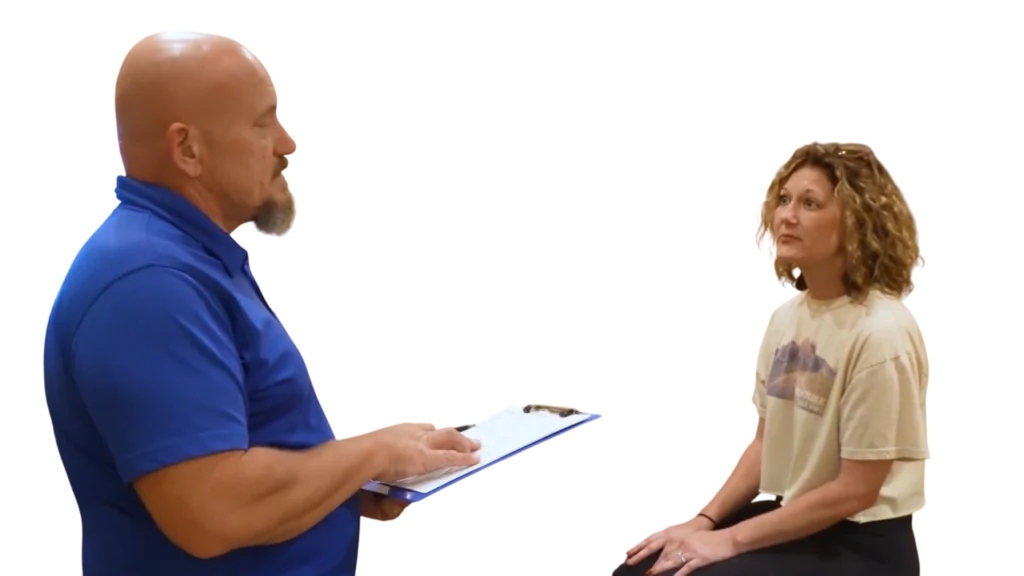
Your evaluation includes a detailed history. When did the pain start? What makes it better or worse? Have you had disc problems before? Do you have any red flag symptoms that need immediate medical attention?
We perform orthopedic and neurological testing to assess nerve function, muscle strength, and reflexes. Digital X-rays show us spinal alignment and any structural issues. If you already have an MRI, we review it. If you don’t but symptoms suggest you need one, we’ll refer you to get proper imaging.
As a former teacher, I spend time making sure you understand what we find. I’ll explain where the herniation is, what nerve it’s affecting, and why you’re experiencing pain in specific areas. Then we discuss your options honestly.
If you’re a candidate for non-surgical care, we’ll map out a treatment plan. If your case shows signs that surgery might be necessary, I’ll tell you that too and refer you to a qualified spine surgeon.
Our Treatment Approach: The R.E.S.T.O.R.E. Method
When we treat herniated discs at Family Tree, we use the R.E.S.T.O.R.E. method—our proven system for addressing both the immediate pain and the underlying factors that contributed to the disc problem.
Spinal Decompression
Spinal decompression is typically the primary treatment for disc herniations. The negative pressure we create gives the disc the best environment to heal while reducing nerve compression.
Chiropractic Adjustments
Herniated discs don’t happen in isolation. Usually, there are alignment issues in other parts of the spine that put extra stress on the problem disc. Gentle adjustments restore proper mechanics and take unnecessary pressure off the healing disc.
Core Strengthening and Stabilization
Weak core muscles mean your spine doesn’t have proper support. We incorporate exercises that strengthen the deep abdominal and back muscles that stabilize your spine. This is crucial for preventing future herniations.
Neuromuscular Re-Education
Your body develops compensation patterns around a herniated disc. Certain muscles become overactive while others shut down. We retrain these patterns so you’re moving correctly again, not reinforcing the imbalances that contributed to the problem.
Cold Laser Therapy
Cold laser accelerates tissue healing and reduces inflammation at the cellular level. For disc injuries, it can speed recovery time significantly.
Massage Therapy
Muscles surrounding a herniated disc get tight and spasmed. Therapeutic massage releases that tension, improves circulation, and helps your body heal more efficiently.
What to Expect During Conservative Treatment
Be realistic about timelines. Herniated discs didn’t happen overnight, and they don’t heal overnight. Most patients see improvement within the first few weeks, but full resolution often takes 2-3 months of consistent treatment.
You should notice measurable progress each week. Maybe you can sit for longer periods without pain. Or you wake up fewer times at night. Or you can walk farther before symptoms start. These incremental improvements tell us the disc is healing.
If you’re not seeing any progress after 4-6 weeks of appropriate treatment, we reassess. Sometimes we need to adjust the treatment plan. Sometimes imaging shows something we didn’t catch initially. And sometimes, despite our best efforts, a patient genuinely needs surgical consultation.
I’m always honest about that. Our goal is to get you better, not to keep you in treatment that isn’t working.
When Surgery Becomes the Right Choice

I’ve had patients ask if I’m against surgery. I’m not. Surgery has its place. What I’m against is rushing into an irreversible procedure when conservative treatment hasn’t been genuinely tried.
But if you’ve done several months of appropriate non-surgical care with no improvement, or if you’re developing progressive weakness and neurological changes, surgery may be your best option. I’ll tell you that directly and refer you to surgeons I trust.
The difference is you’ll make that decision knowing you explored other options first. And even if you do need surgery, the conservative care often puts you in better shape going into the procedure—stronger core, better body mechanics, less inflammation.
Prevention: Keeping It From Happening Again
Whether you go the surgical or non-surgical route, prevention matters. Here’s what we emphasize:
Maintain proper spinal alignment. Regular chiropractic care keeps your spine functioning correctly and prevents excessive stress on any single disc.
Keep your core strong. Your deep abdominal and back muscles are your spine’s natural weight belt. Keep them strong.
Use proper body mechanics. How you bend, lift, and sit matters. We teach patients the right way to move so they’re not constantly stressing their spine.
Stay active. Movement keeps discs healthy by pumping nutrients in and waste out. Sitting for hours on end starves your discs.
Address problems early. Minor back pain is often a warning sign. Getting evaluated early can prevent a small issue from becoming a herniated disc.
Making Your Decision
Surgery or conservative care isn’t a black-and-white decision for most herniated disc cases. It’s a spectrum, and where you fall depends on your specific situation.
What I can tell you after treating thousands of disc patients: many people who thought they needed surgery avoided it through comprehensive non-surgical treatment. But some people genuinely need surgical intervention, and that’s okay too.
The important thing is making an informed choice based on thorough evaluation, not fear or pressure.
At Family Tree Chiropractic in Oklahoma City, we give you the information you need to make that decision confidently. We’ll work hard to help you avoid surgery if that’s possible. And if it’s not, we’ll tell you honestly and help connect you with the right specialist.
Frequently Asked Questions
How do I know if my herniated disc will heal without surgery?
Most herniated discs do heal with conservative treatment, especially if addressed relatively early. Red flags that suggest you might need surgery include progressive weakness, loss of bowel/bladder control, or severe pain that doesn’t improve at all after 6-8 weeks of appropriate treatment.
Can spinal decompression make a herniated disc worse?
When performed correctly by a trained provider, spinal decompression is very safe. We start conservatively and monitor your response closely. If symptoms worsen, we adjust or discontinue treatment.
How long do results from spinal decompression last?
If we address the underlying causes—weak core, poor mechanics, spinal misalignment—results can be long-lasting. Many patients remain pain-free for years. Maintenance care and proper body mechanics help prevent recurrence.
Is bed rest good for a herniated disc?
Extended bed rest is generally not recommended. Brief rest during severe acute pain is fine, but prolonged immobility can actually slow healing. Gentle movement, within your pain tolerance, is typically better for disc recovery.
Want to find out if you can avoid surgery for your herniated disc? Schedule your $49 new patient consultation with Dr. Carter at Family Tree Chiropractic or call (405) 340-4400. We’ll test, evaluate, and give you honest guidance.