Hip bursitis and chronic hip pain respond exceptionally well to shockwave therapy, with most patients experiencing significant pain reduction within 3-4 treatments. At Family Tree Chiropractic in Oklahoma City, Dr. Micah Carter uses the Sanuwave device to break down inflammation in hip bursa and surrounding tissues, promoting natural healing without cortisone injections or surgery. Combined with chiropractic care to address biomechanical causes, most patients return to normal activities within 6-8 weeks.
Understanding Hip Pain and Bursitis
Your hip is a complex joint where the ball-shaped head of your femur fits into a socket in your pelvis. Multiple bursa (fluid-filled sacs) cushion the joint and reduce friction between tissues.
Hip bursitis happens when these bursa become inflamed. The trochanteric bursa on the outside of your hip is most commonly affected. You feel pain on the outer hip that often radiates down the outside of your thigh.
Hip pain can also come from other sources. Arthritis in the hip joint, labral tears, muscle strains, and referred pain from your lower back all cause hip discomfort. Accurate diagnosis is critical because different causes need different treatments.
Common Causes of Hip Bursitis
Repetitive activities that stress the hip create bursitis over time. Running, stair climbing, and prolonged standing all irritate the bursa gradually. One intense activity session can trigger acute bursitis in some cases.
Hip biomechanics play a huge role. When your pelvis is misaligned or your gait pattern is abnormal, certain muscles overwork and create excessive friction on the bursa. This is why hip bursitis often returns after treatment if biomechanics aren’t corrected.
Leg length differences, either actual or functional, create abnormal hip mechanics. Tight IT bands increase friction over the trochanteric bursa. Weak hip abductor muscles fail to stabilize the pelvis during walking, increasing stress.
Who Gets Hip Bursitis
I see hip bursitis most commonly in active adults over 40. Women develop it more frequently than men, possibly due to wider pelvis angles that create different stress patterns.
Runners and walkers frequently develop hip bursitis from repetitive impact. People who stand all day for work, like nurses and teachers, are also at higher risk. Previous hip injuries or surgeries increase susceptibility.
In my Oklahoma City practice, I’ve treated everyone from marathon runners to grandparents who just want to walk without pain. The condition affects people across all activity levels.
Why Traditional Treatments Often Fail
Rest and ice might reduce acute inflammation temporarily. But if biomechanical problems caused the bursitis, symptoms return when you resume activity. You’re managing symptoms, not fixing the problem.
Physical therapy helps through strengthening exercises and stretching. However, chronic bursitis often involves tissue changes that exercise alone can’t reverse. Many patients plateau without reaching full recovery.
Cortisone injections provide temporary relief by reducing inflammation. But research shows diminishing returns with repeated injections. Cortisone also weakens surrounding tissues and can accelerate joint degeneration.
The Chronic Inflammation Problem
When bursitis becomes chronic, the tissue changes. Instead of acute inflammation that heals, you develop chronic degeneration with scar tissue and calcification.
The bursa thickens and loses its normal function. Blood flow to the area decreases. Traditional treatments that work for acute bursitis don’t address these chronic degenerative changes.
That’s where shockwave therapy becomes a game changer. It reverses chronic degenerative changes and stimulates actual tissue regeneration.
How Shockwave Therapy Heals Hip Bursitis
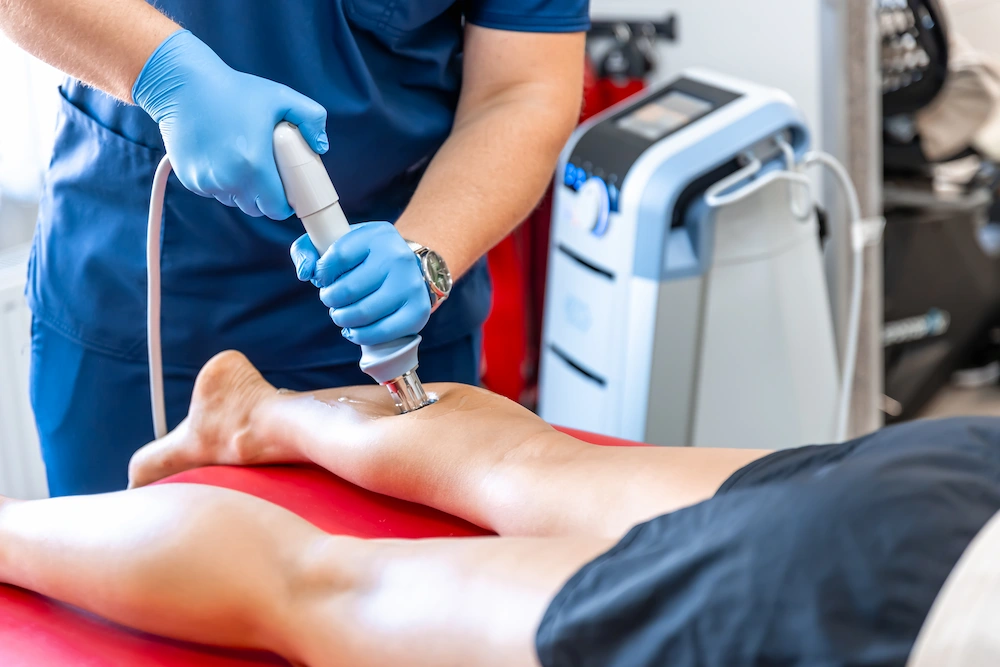
Shockwave therapy delivers focused acoustic waves directly into the inflamed hip bursa. These waves create controlled microtrauma that triggers your body’s healing response.
The treatment breaks down scar tissue and calcification that developed in the chronically inflamed bursa. It dramatically increases blood flow to the area, bringing nutrients and oxygen needed for healing.
Shockwave therapy also activates stem cells and growth factors that promote tissue regeneration. The damaged bursa actually heals and returns to normal function rather than just having inflammation suppressed.
What Treatment Involves
Each shockwave session takes about 10 minutes. You lie on your side while I apply the Sanuwave handpiece to your hip. You’ll feel pulsing sensations as the device delivers acoustic waves.
The most inflamed areas are more tender during treatment. This actually helps pinpoint exactly where the problem exists. The discomfort is tolerable and lasts only during the active treatment.
Most hip bursitis cases need 4-6 treatments spaced about a week apart. Some chronic cases require additional sessions. We evaluate your progress after each treatment and adjust the plan accordingly.
Results You Can Expect
Many patients notice improvement after the first or second treatment. Pain decreases, sleep improves (side sleeping becomes possible again), and walking gets easier.
Full healing takes 6-10 weeks depending on severity and chronicity. The shockwave therapy continues working between sessions as the stimulated healing response builds over time.
I had a runner who’d been dealing with hip bursitis for over 18 months. She couldn’t run more than a mile without severe pain. Physical therapy and two cortisone shots provided only temporary relief. After five shockwave treatments, her pain dropped from an 8 to a 2. She’s back running half marathons.
Long-Lasting Relief
Because shockwave therapy promotes actual tissue healing, the benefits last. You’re not managing symptoms indefinitely or getting repeated injections.
The regenerated bursa tissue is healthier and more resilient than the chronically inflamed tissue it replaced. Patients who complete their full treatment series typically maintain improvement for years.
Some highly active individuals need occasional maintenance treatments during heavy training periods. But nothing like the constant management required with other approaches.
Addressing Biomechanical Causes
Shockwave therapy heals the inflamed bursa, but we also need to address why it became inflamed in the first place. Biomechanical problems in your pelvis, spine, or lower extremities often contribute to hip bursitis.
Chiropractic adjustments correct pelvic misalignment and restore proper hip mechanics. When your pelvis is aligned properly, hip muscles work more efficiently and create less friction on the bursa.
We also address spinal issues that affect your gait. Lower back problems often create compensatory movement patterns that stress your hips. Correcting these prevents bursitis from returning.
Muscle Imbalances
Hip bursitis always involves muscle imbalances. Certain muscles are too tight while others are too weak. This imbalance creates abnormal stress patterns that irritate the bursa.
We release tight IT bands, hip flexors, and piriformis muscles through targeted therapy. We strengthen weak hip abductors and gluteus medius muscles that stabilize the pelvis.
Our massage therapists use deep tissue techniques to release chronic muscle tension. Combined with specific strengthening exercises, this creates balanced muscle function that protects your hip.
Exercises for Hip Bursitis Recovery
I provide specific exercises based on your particular muscle imbalances and movement patterns. These aren’t generic hip exercises. They’re corrective exercises designed to fix your specific problems.
Hip abductor strengthening exercises are critical for most bursitis cases. Side-lying leg raises and resistance band exercises rebuild the gluteus medius that should be stabilizing your pelvis.
IT band stretches and foam rolling reduce tension that creates friction over the bursa. Hip flexor stretches address tightness from prolonged sitting that contributes to abnormal hip mechanics.
Proper Technique Matters
Done correctly, these exercises accelerate healing. Done incorrectly, they can aggravate your bursitis. I teach you exactly how to perform each exercise with proper form.
Most home exercise programs take 15-20 minutes daily. That’s a small investment for avoiding surgery and reclaiming your activities. Patients who consistently do their exercises recover faster and maintain results better.
Activity Modifications During Treatment
You need to modify activities that aggravate your hip during treatment. This doesn’t mean complete rest, which often makes hip problems worse. But it does mean avoiding the specific movements that caused the bursitis.
Running and high-impact activities should be reduced or replaced with low-impact alternatives like swimming or cycling. These maintain fitness without constantly irritating the healing bursa.
Sleeping on the affected side usually makes bursitis worse. Sleep on your opposite side or back with a pillow between your knees to reduce hip stress during the night.
Gradual Return to Activity
As symptoms improve, we gradually reintroduce activities. Start with low-intensity, short-duration exercise. If that goes well for several sessions, slowly increase intensity or duration.
Pain during or after activity guides progression. Mild discomfort (2-3 out of 10) is often acceptable during the healing phase. Sharp pain or pain that increases as activity continues means you’ve progressed too quickly.
Related Hip Conditions We Treat
Hip Arthritis
Osteoarthritis in the hip joint causes deep groin pain that differs from bursitis pain on the outer hip. Shockwave therapy can’t regenerate lost cartilage, but it significantly reduces inflammation and pain from arthritis.
Combined with chiropractic care to maintain optimal joint mechanics, many arthritis patients reduce or eliminate their need for pain medication and delay or avoid hip replacement.
Hip Flexor Strain
The iliopsoas muscle group flexes your hip. Strains cause groin and front hip pain. Shockwave therapy accelerates healing of strained hip flexor muscles.
We also address the biomechanical factors that caused the strain, preventing re-injury when you return to activity.
Greater Trochanteric Pain Syndrome
This term describes pain around the bony prominence on the outer hip. It includes bursitis but also tendon problems and muscle issues. Comprehensive evaluation identifies the specific structures involved.
Treatment combines shockwave therapy for tissue healing with chiropractic care and exercises to correct the underlying biomechanics.
Preventing Hip Bursitis Recurrence
Once we get you healed, preventing recurrence becomes the focus. Proper warm-up before activities prepares your hip for work.
Maintain balanced hip strength through regular exercises. Both abductor and adductor muscles need adequate strength. Continue the strengthening work even after completing treatment.
Address biomechanical issues promptly. If you notice your gait feels off or your pelvis feels misaligned, come in for an adjustment before problems develop.
Footwear and Orthotics
Proper footwear affects hip mechanics more than most people realize. Worn-out shoes lose cushioning and support, increasing impact forces on your hips.
Some people benefit from custom orthotics that correct foot mechanics and reduce compensatory stress on the hip. We evaluate whether orthotics would help your specific situation.
Hip Bursitis in Athletes
Athletes face unique challenges with hip bursitis. They need to maintain fitness while allowing healing. They also need to return to their sport safely and quickly.
For sports injuries like hip bursitis, we use sport-specific rehabilitation that prepares you for your activity’s demands. A runner needs different preparation than a tennis player.
Cross-training during recovery maintains cardiovascular fitness without aggravating the hip. Swimming and cycling are excellent options that don’t stress the recovering bursa.
When Surgery Might Be Necessary
Most hip bursitis cases heal with conservative treatment including shockwave therapy. Surgery becomes necessary only when conservative treatment fails after 6-12 months of proper care.
Surgical options include removing the bursa or releasing tight tendons. Recovery takes 2-3 months with no guarantee of success.
Given shockwave therapy’s high success rate for hip bursitis, trying this conservative approach first makes sense. Even if surgery eventually becomes necessary, the conservative treatment you’ve done isn’t wasted. Improved muscle strength and mechanics before surgery lead to better surgical outcomes.
Cost and Insurance Coverage
Many insurance plans cover shockwave therapy for hip bursitis when conservative treatments have failed. We verify your coverage before starting treatment and explain any out-of-pocket costs upfront.
Even when insurance doesn’t cover shockwave therapy, most patients find it worthwhile. The alternative is months of ongoing treatment with uncertain results, repeated cortisone injections, or surgery with high costs and lengthy recovery.
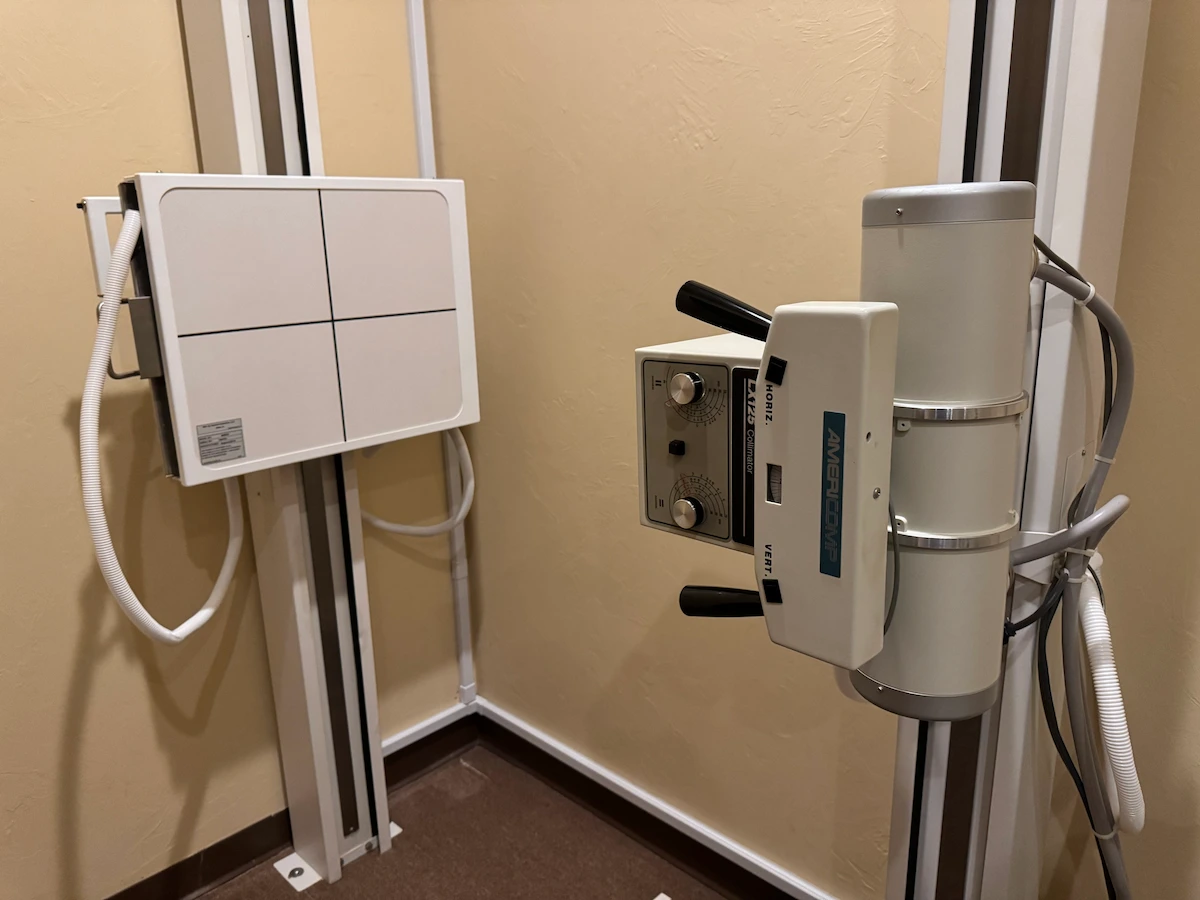
Our $49 new patient special includes consultation, comprehensive examination, first adjustment, digital X-rays if needed, and a massage voucher. This gives you thorough evaluation so we can determine if shockwave therapy is right for your hip problem.
Real Patient Success Stories
I treated a 58-year-old teacher who developed severe hip bursitis from standing all day. She couldn’t sleep on either side because both hips hurt. Walking more than a few blocks was painful.
We corrected pelvic misalignment, used shockwave therapy on both hips, and provided specific strengthening exercises. After eight weeks, her pain reduced by 80%. She’s back to walking several miles daily without problems.
Another patient, a competitive cyclist, developed hip bursitis from training for a century ride. He’d tried rest, physical therapy, and a cortisone shot. Nothing provided lasting relief.
Five shockwave treatments combined with biomechanical corrections and training modifications got him back on his bike pain-free. He completed his century ride four months later.
Why Choose Family Tree Chiropractic
We have the Sanuwave device, one of the most advanced shockwave therapy systems available. Not all shockwave devices produce equal results. The Sanuwave’s focused acoustic waves penetrate deeper and stimulate more effective healing.
In my 23 years treating patients in Oklahoma City, I’ve developed specific protocols for hip problems. I understand the biomechanical complexity of the hip and pelvis. Your treatment addresses all contributing factors, not just the inflamed bursa.
We have all treatment modalities under one roof. Shockwave therapy, chiropractic care, therapeutic massage, and rehabilitation exercises. Everything is coordinated for optimal results.
Getting Started with Treatment
Your first visit includes comprehensive hip and pelvis evaluation. We assess hip range of motion, muscle strength, gait patterns, and spinal alignment. Digital X-rays help identify any structural problems contributing to your hip pain.
On your second visit, I provide a detailed report of findings. You’ll understand your specific hip problem, what caused it, and the treatment plan to fix it. No guessing, just clear explanations based on objective findings.
Don’t let hip pain limit your activities or keep you up at night. Call Family Tree Chiropractic at (405) 340-4400 to schedule your evaluation with Dr. Carter. We’ll determine if shockwave therapy is right for your hip bursitis and create a comprehensive treatment plan. Visit our contact page to book online.