Soft tissue injuries are the most common result of car accidents, and they’re also the most commonly underestimated. Muscles, ligaments, tendons, and fascia don’t show up on standard X-rays, which means many accident victims are told they’re “fine” at the ER – only to spend the next weeks or months dealing with escalating pain, stiffness, and limited movement. At Family Tree Chiropractic, we specialize in identifying and treating these auto accident injuries that standard imaging misses.
What Exactly Is a Soft Tissue Injury?
Your body is held together by more than just bones. Muscles, tendons, ligaments, fascia, and discs are what allow you to move, bend, and function – and all of them are vulnerable to trauma from a collision.
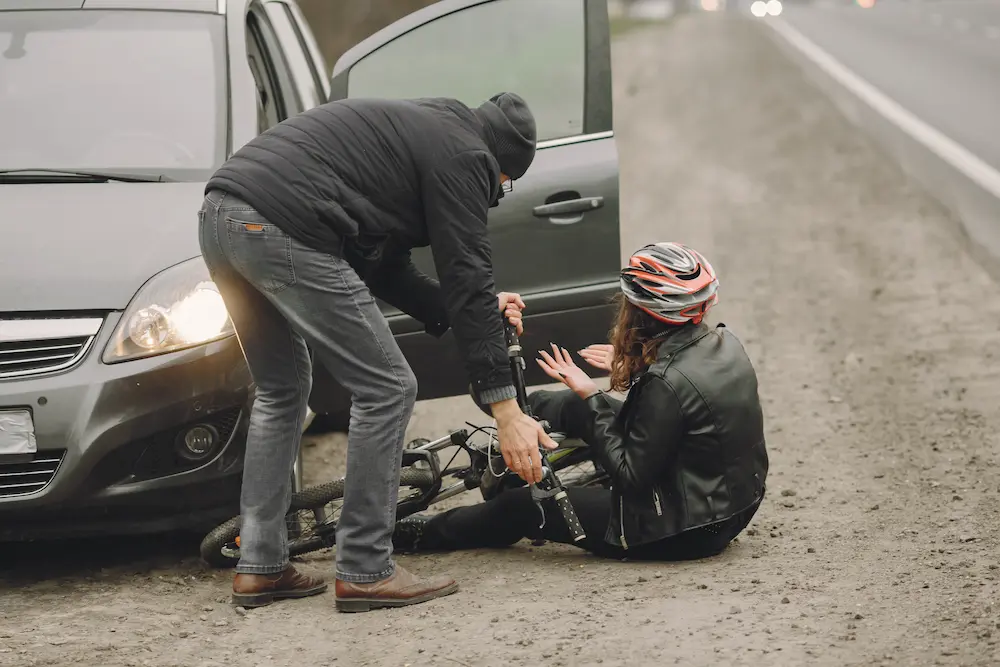
In a car accident, your body absorbs force extremely quickly. The impact forces your spine and extremities through a range of motion they were never designed to experience at that speed. Even a low-speed rear-end collision can generate enough force to stretch or tear soft tissue structures in the neck and back.
The most common soft tissue injuries we see after accidents in Oklahoma City include:
- Whiplash (cervical strain/sprain)
- Lumbar strain and sprain
- Muscle tears and contusions
- Ligament sprains in the spine or extremities
- Fascia damage and scar tissue formation
- Disc irritation and micro-tears
None of these injuries show up on a standard X-ray. An X-ray shows bones. That’s it. So when the ER clears you and sends you home with pain medication, it doesn’t mean nothing happened. It means the tool they used can’t see what happened.
Why These Injuries Get Missed – and Why That’s a Problem
Here’s something I’ve seen play out hundreds of times in my 23 years of practice: a patient comes in two weeks after an accident. They were told at the ER that everything looked normal. But now they can barely turn their head, their lower back is tightening up, and they’re waking up at night from the pain.
What happened? The adrenaline and inflammation response from the acute trauma masked the injury in the first 24-72 hours. The body was in protection mode. Once that wears off, the real damage becomes apparent.
This delayed presentation is well-documented in whiplash research, and it’s one reason I hold an Advanced Competency in Whiplash and Brain Traumatology from the Spine Research Institute of San Diego. Understanding the mechanics and timeline of accident injuries changes how you evaluate and treat patients. You look for what the standard examination misses.
You can read more about delayed injury symptoms and what to watch for in our post on hidden auto accident injuries that appear days later.
The Real Risk of Untreated Soft Tissue Damage
Soft tissue injuries don’t just cause temporary pain. Left untreated, they create scar tissue. Scar tissue is the body’s repair mechanism, but it’s not as flexible or functional as the original tissue it replaces. Over time, that scar tissue creates chronic stiffness, pain, and movement restrictions that become much harder to address.
Ligament laxity is another long-term consequence. When ligaments are overstretched or partially torn, they may not return to their original tensile strength without proper treatment. That can leave you with chronic joint instability that contributes to recurring neck pain, back pain, or headaches for years after the accident.
The window for treating these injuries effectively is real. The sooner you get a thorough evaluation, the better your outcomes tend to be.
What a Proper Evaluation Looks Like
We do not guess. We test.
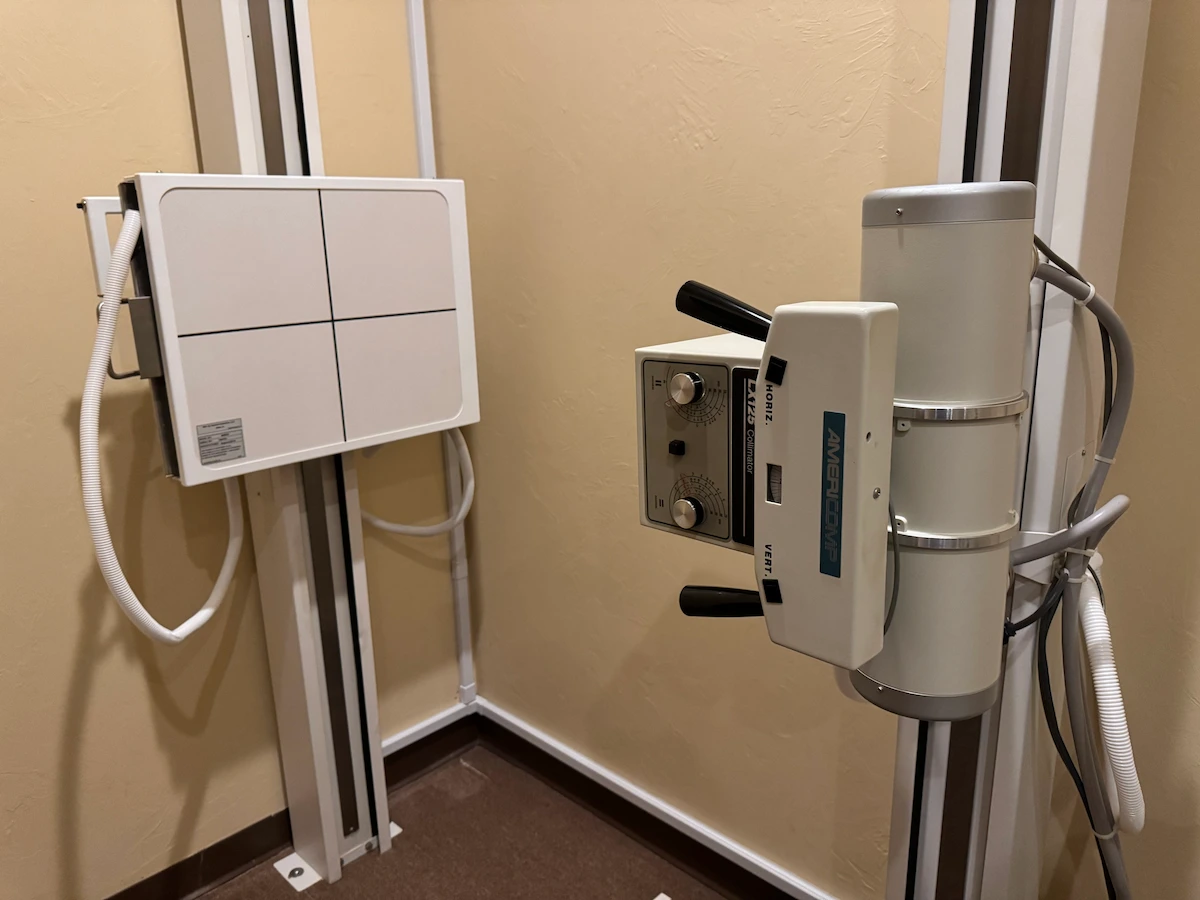
When an auto accident patient comes to Family Tree Chiropractic, we start with a comprehensive evaluation that goes well beyond what an ER visit includes. This means orthopedic and neurological testing, range-of-motion assessment, muscle testing, and on-site digital X-rays to rule out fractures and evaluate spinal alignment.
We’re looking for several things: where the soft tissue damage is located, whether any spinal segments were destabilized, whether nerve involvement is present, and whether there’s disc compromise. That picture tells us exactly what we’re dealing with – and that’s what allows us to build a treatment plan that actually addresses the injury instead of just managing the symptoms.
How We Treat Soft Tissue Car Accident Injuries
Treatment depends on what we find. But most accident-related soft tissue cases involve a combination of approaches working together.
Chiropractic Adjustments
When a collision forces your spine through abnormal motion, vertebral segments often get locked in dysfunctional positions. Chiropractic adjustments restore proper movement to those segments, reduce nerve irritation, and allow the surrounding soft tissue to heal in the correct position rather than in a compensated, distorted one.
Cold Laser Therapy
We use cold laser therapy extensively with accident patients. The low-level laser penetrates into the injured tissue and accelerates the cellular healing process. It reduces inflammation, speeds tissue repair, and helps manage pain without medication. For muscle tears, ligament sprains, and disc irritation, it’s one of the most effective tools we have in the acute and sub-acute phases.
Massage Therapy
Muscle guarding is the body’s protective response to trauma. After an accident, the muscles around the injured area tighten up to immobilize and protect the damage. That guarding is helpful in the very short term, but it becomes its own problem quickly. Tight, guarded muscles create secondary pain, reduce circulation to the injured area, and slow healing. Therapeutic massage breaks that cycle and helps the adjustment work hold better and longer.
Rehabilitation and Strengthening
The final piece of the R.E.S.T.O.R.E. Method is making sure the corrections last. After the acute injury heals, we rebuild the strength and movement patterns that protect your spine from re-injury. This is where neuromuscular re-education comes in, essentially retraining the brain-muscle connection so your body supports itself the way it’s supposed to.
Documentation and Working With Your Personal Injury Case
If your accident was caused by another driver, you may be working with a personal injury attorney. That matters for how we document your care.
We work with personal injury attorneys throughout Oklahoma City on a regular basis. Our thorough documentation of your injuries, treatment, and progress creates the kind of medical record that supports your legal case. We understand what attorneys and insurance adjusters look for, and we communicate clearly throughout the process.
One thing I tell every accident patient: don’t settle your case before you know the full extent of your injuries. Soft tissue damage can take time to fully manifest, and settling early can leave you responsible for ongoing treatment costs you didn’t anticipate.
For more on what to do right after a collision, see our detailed post on what to do immediately after a car accident in Oklahoma City.
Frequently Asked Questions
How soon after a car accident should I see a chiropractor?
As soon as possible, ideally within the first 72 hours even if you feel okay. Early evaluation establishes your baseline, identifies injuries before they become chronic, and creates a clear medical timeline that matters for any potential legal claim. Don’t wait for the pain to get bad before coming in.
Will my auto insurance cover chiropractic care after an accident?
In most cases, yes. Oklahoma requires a minimum level of personal injury protection (PIP) coverage, and at-fault drivers’ liability coverage typically includes medical expenses. We can help you understand what your coverage includes and how to use it properly.
I was in a minor fender-bender. Do I really need to be seen?
Low-speed collisions still generate significant forces on the cervical spine. In fact, some research suggests that low-speed impacts can cause more soft tissue damage than higher-speed ones because there’s less vehicle deformation to absorb the energy. If you’re having any pain, stiffness, or neurological symptoms, get evaluated.
Don’t Wait for the Pain to Tell You Something Is Wrong
If you’ve been in a car accident in Oklahoma City – even a minor one – the smart move is a thorough evaluation before problems develop. At Family Tree Chiropractic, we’ll find what the ER missed and build a treatment plan that addresses the actual injury, not just the symptoms.
Call us at (405) 340-4400 or request your appointment online. New patients receive our comprehensive $49 new patient special including consultation, adjustment, X-ray, cold laser, and a massage voucher.