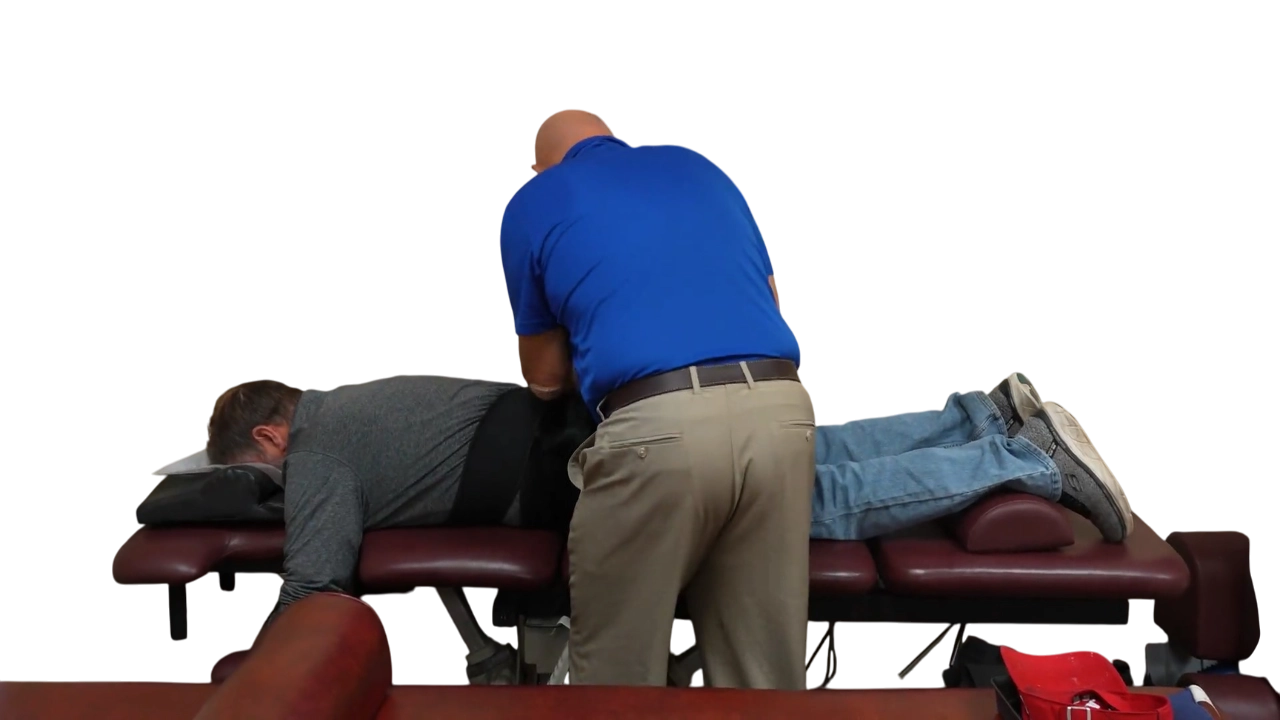

Piriformis syndrome and sciatica cause similar shooting pain down your leg, but they require completely different treatments. At Family Tree Chiropractic in Oklahoma City, Dr. Micah Carter uses specific diagnostic tests to identify whether your pain comes from the piriformis muscle or the sciatic nerve itself, because treating the wrong problem means you’ll keep hurting.
What Is Piriformis Syndrome?
Piriformis syndrome happens when the piriformis muscle, a small muscle deep in your buttock, compresses the sciatic nerve. This muscle runs from your lower spine to your upper thigh bone, and the sciatic nerve passes right underneath it (or sometimes through it in about 15% of people).
When the piriformis gets tight, inflamed, or goes into spasm, it squeezes the sciatic nerve. You feel pain that shoots down your leg, just like sciatica. But the problem isn’t your spine.
I’ve treated hundreds of cases where patients went through months of treatment for a herniated disc when their real problem was a tight piriformis muscle. That’s why testing matters more than guessing.
What Is True Sciatica?
True sciatica comes from nerve compression in your lower back. Usually a herniated disc, bulging disc, or spinal stenosis puts pressure on the sciatic nerve root where it exits your spine.
The pain travels along the sciatic nerve path, from your lower back through your buttock and down your leg. Sometimes it reaches all the way to your foot. You might also feel numbness, tingling, or weakness in your leg.
At our Oklahoma City chiropractic office, we do digital X-rays on your first visit to see what’s actually happening in your spine. We don’t guess.
Key Differences Between Piriformis Syndrome and Sciatica
Location of Pain
Piriformis syndrome pain typically centers in your buttock and the back of your thigh. True sciatica often starts in your lower back before traveling down your leg.
With piriformis syndrome, sitting makes it worse because you’re compressing that muscle. With disc-related sciatica, bending forward or coughing usually increases the pain.
What Makes It Better or Worse
Piriformis syndrome gets worse when you sit for long periods, climb stairs, or rotate your hip. Getting up and moving around often provides temporary relief.
Disc-related sciatica usually feels worse with forward bending, lifting, or prolonged standing. Lying down might help, or it might not, depending on the position of your herniated disc.
Physical Exam Findings
In my 23 years of practice, I’ve found specific tests that differentiate these conditions. The FAIR test (Flexion, Adduction, Internal Rotation) reproduces piriformis syndrome pain. Straight leg raise tests typically indicate disc problems.
We also check for muscle weakness patterns. Piriformis syndrome rarely causes significant muscle weakness. True sciatica from disc herniation often does, especially in your foot or ankle.
Why the Diagnosis Matters
Treating piriformis syndrome like it’s a disc problem means you’ll spend months doing the wrong therapy. I’ve seen patients go through unnecessary imaging, injections, and even surgery consultations when their issue was muscular.
The opposite is also true. Treating a herniated disc like it’s just a tight muscle means the problem gets worse while you wait for improvement that never comes.
That’s why we test first. Digital X-rays, orthopedic exams, and neurological testing tell us exactly what we’re dealing with.
How We Treat Piriformis Syndrome
For piriformis syndrome, shockwave therapy is the best treatment I’ve ever seen. The Sanuwave device we use at Family Tree Chiropractic breaks up scar tissue in the piriformis muscle and releases chronic tension that’s been squeezing your sciatic nerve.
Most patients feel significant improvement within 2-3 weeks. Some notice relief after just one session. We combine shockwave therapy with specific stretches and adjustments to keep the muscle from tightening back up.
I’ve had patients who suffered for years, trying everything from physical therapy to cortisone shots, finally get relief with shockwave therapy. One patient told me he’d been considering surgery when his pain level dropped from an 8 to a 2 after our third shockwave session.
The R.E.S.T.O.R.E. Method for Lasting Relief
We don’t just take your pain away temporarily. Our R.E.S.T.O.R.E. method addresses the root cause of piriformis syndrome by working on tight muscles, strengthening weak muscles, and retraining your neuromuscular patterns so the problem doesn’t come back.
That means you’re not stuck coming to see us forever. We fix the problem and teach your body to maintain the correction.
How We Treat True Sciatica
When sciatica comes from a disc problem, we use a different approach. Spinal decompression therapy gently stretches your spine to take pressure off the compressed nerve.
This creates negative pressure in the disc, allowing it to pull back from the nerve root. At the same time, nutrient-rich fluids flow into the disc to promote healing. We combine decompression with chiropractic adjustments to restore proper spinal alignment.
Most patients need 6-12 weeks of treatment for disc-related sciatica, depending on severity. The goal is lasting correction, not just temporary pain relief.
Can You Have Both Conditions?
Yes, and this is where diagnosis gets tricky. Some patients have both a disc problem in their lower back and piriformis tightness. The disc issue irritates the nerve, which causes you to walk differently, which then makes your piriformis muscle compensate and tighten up.
When I suspect both issues, we address them simultaneously. Shockwave therapy for the piriformis muscle while we decompress the spine. This comprehensive approach is why our patients get better faster than they would with single-modality treatment.

Warning Signs You Need Immediate Care
Most cases of piriformis syndrome and sciatica respond well to conservative chiropractic treatment. But certain symptoms require urgent medical attention.
Sudden loss of bowel or bladder control, progressive leg weakness, or numbness in your groin area could indicate a serious condition called cauda equina syndrome. If you experience any of these symptoms, go to the emergency room immediately.
Severe pain that doesn’t respond to any position, fever with back pain, or unexplained weight loss also warrant immediate medical evaluation. These could indicate infection or other serious conditions.
How Long Does Recovery Take?
Piriformis syndrome typically responds faster than disc-related sciatica. With shockwave therapy and proper treatment, most patients see significant improvement in 2-4 weeks.
Disc-related sciatica takes longer because you’re healing actual structural damage to the disc. Most patients need 6-12 weeks of consistent treatment. Severe cases might take longer.
The key is addressing the root cause, not just masking symptoms with pain medication. When you fix the actual problem, it stays fixed.
Why Patients Come to Family Tree Chiropractic
In my 23 years treating patients in Oklahoma City, I’ve developed a reputation for solving difficult cases. I actually enjoy treating the most challenging patients because that’s where I see the greatest improvement.
With my Advanced Competency in Whiplash and Brain Traumatology from the Spine Research Institute and certification in Spinal Trauma from the International Chiropractors Association, I bring specialized expertise to complex pain problems.
But more importantly, I spent years as a teacher before becoming a chiropractor. That background shows in how I explain your condition and treatment plan. You’ll understand exactly what’s wrong and why our approach will fix it.
Frequently Asked Questions
Can piriformis syndrome cause pain in both legs?
Usually piriformis syndrome affects one side, but you can have bilateral piriformis syndrome affecting both legs. This is less common and often indicates a postural or biomechanical problem that’s affecting both hips. We address the underlying cause to prevent recurrence.
Will stretching fix piriformis syndrome?
Stretching helps, but it rarely fixes chronic piriformis syndrome by itself. The muscle often has scar tissue and trigger points that need direct treatment like shockwave therapy to fully release. Stretching becomes more effective after we break up that scar tissue.
How do I know if I need surgery for sciatica?
Most sciatica cases respond to conservative chiropractic care. Surgery typically becomes necessary only when you have progressive muscle weakness, loss of bowel or bladder control, or when conservative treatment fails after several months. Even then, getting a second opinion makes sense before committing to surgery.
Does insurance cover piriformis syndrome treatment?
Most insurance plans cover chiropractic care for piriformis syndrome and sciatica. We verify your coverage before starting treatment and explain any out-of-pocket costs upfront. Our $49 new patient special includes your consultation, examination, X-rays if needed, adjustment, and a massage voucher.
Ready to find out what’s really causing your leg pain? Call Family Tree Chiropractic at (405) 340-4400 or visit our contact page to schedule your comprehensive evaluation. We do digital X-rays the same day so you get answers immediately.