Neuropathy causes burning, tingling, numbness, and shooting nerve pain that often gets worse at night, and conventional treatment usually means medications like Gabapentin or Lyrica with significant side effects. At Family Tree Chiropractic in Oklahoma City, we take a different approach. Using cold laser therapy, chiropractic adjustments, and targeted nerve rehabilitation, we work to address what’s actually happening at the nerve level rather than just dulling the symptoms.
Understanding What Neuropathy Actually Is
Neuropathy is a general term for damage or dysfunction in the peripheral nervous system, which includes all the nerves outside of your brain and spinal cord. When those nerves are damaged or compromised, the messages they send between your body and brain get scrambled.
That’s why neuropathy symptoms can feel so strange. You might feel burning pain in feet that are objectively cool to the touch. You might have numbness in one spot and hypersensitivity right next to it. You might feel like there’s pressure or “socks bunched up” inside your shoes when nothing is there. The nerves are firing incorrectly, sending false signals back to the brain.
Common forms of neuropathy we see in our Oklahoma City practice include:
- Diabetic peripheral neuropathy
- Chemotherapy-induced neuropathy
- Idiopathic neuropathy (no clear underlying cause)
- Compressive neuropathy from spinal issues
- Post-surgical neuropathy
- Alcoholic neuropathy
- Autoimmune-related neuropathy
Why Medication-Only Approaches Often Fall Short
The standard approach to neuropathy is to prescribe medications that dampen the nervous system’s pain signals. Gabapentin, Lyrica, Cymbalta, and similar drugs work by reducing how loudly the nerves fire. They can take the edge off the symptoms.
But here’s the thing: those medications don’t fix the underlying nerve damage. They mask it. And many patients experience significant side effects, including drowsiness, dizziness, weight gain, cognitive fog, and in some cases worsening symptoms over time as the body adjusts to the medication.
I’ve had patients in my Oklahoma City clinic who’ve been on these medications for five, ten, even fifteen years. The pain is still there. The numbness is still there. They’ve just been managing it. And many of them come to us because they want a different option, or because the side effects have become harder to live with than the original neuropathy.
That doesn’t mean medication has no role. For some patients with severe neuropathy, medication is appropriate and necessary. But it shouldn’t be the only conversation.
How Cold Laser Therapy Helps Damaged Nerves
Cold laser therapy, also called low-level laser therapy or photobiomodulation, has emerged as one of the most promising non-medication treatments for peripheral neuropathy. The mechanism is fascinating.
The laser uses specific wavelengths of light that penetrate into damaged nerve tissue. The light energy is absorbed by the mitochondria of nerve cells, which then increase their production of ATP (cellular energy). For nerves that have been operating in a damaged, low-energy state, this boost in cellular function can help restore proper signaling and reduce the abnormal pain signals.
Cold laser also reduces inflammation around the affected nerves, which is often a major contributor to neuropathic pain. Many patients with peripheral neuropathy have chronic low-grade inflammation in the affected tissue that keeps the nerves irritated and dysfunctional. Reducing that inflammation can produce significant symptom relief.
The FDA has cleared cold laser therapy for pain relief and adjunctive treatment of musculoskeletal conditions, and the research supporting its use in peripheral neuropathy continues to grow.
What Cold Laser Treatment Feels Like
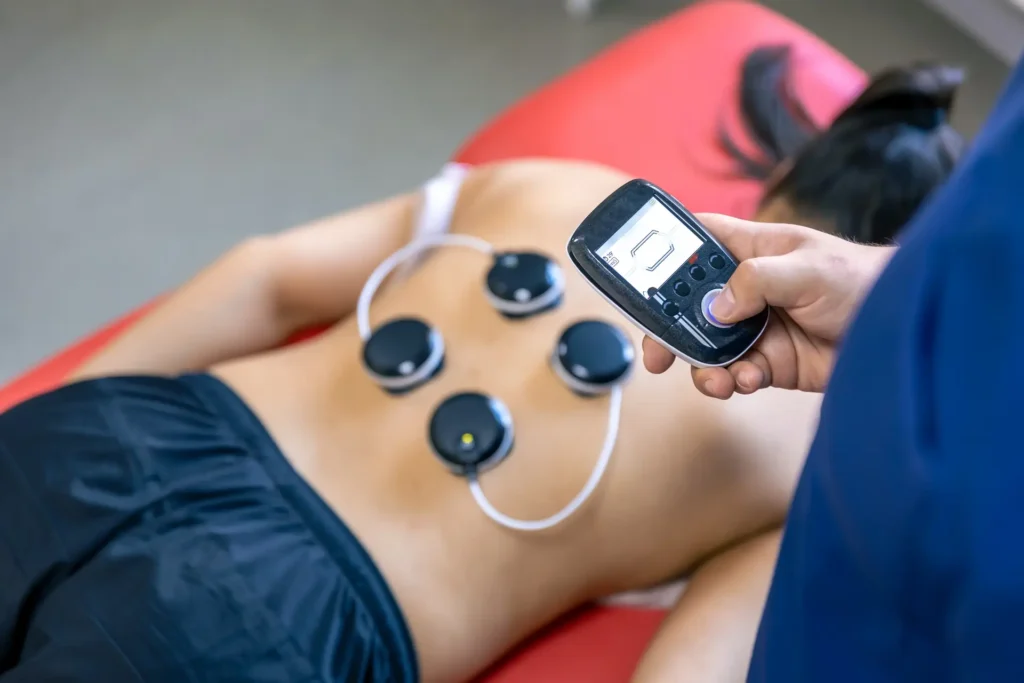
The treatments are painless. The laser is applied directly to the affected area, typically the feet or legs for peripheral neuropathy patients. Sessions last several minutes per area. Most patients feel either nothing or a mild warmth during treatment.
Results build over multiple sessions. Some patients notice changes within the first few visits, particularly in pain intensity. Others see more gradual improvement over a series of treatments. The cumulative cellular healing effect is what produces lasting results.
The Spinal Component of Neuropathy
Here’s something most neuropathy patients are never told: many cases of peripheral neuropathy have a contributing component from the spine. Compression or irritation of the spinal nerve roots in the lower back can mimic or worsen peripheral neuropathy in the feet and legs.
That’s why a comprehensive evaluation is essential. We do not guess. We test.
With 23 years of experience and certifications in spinal trauma and brain traumatology from the International Chiropractors Association and Spine Research Institute of San Diego, I take a careful look at the full nervous system picture. We evaluate the spine, the nerve pathways, and the peripheral nerve function itself.
For patients whose neuropathy has a spinal component, chiropractic adjustments can reduce nerve root irritation and improve nerve signaling significantly. Combined with cold laser therapy on the affected peripheral areas, this combined approach often produces results that medication alone cannot match.
Diabetic Peripheral Neuropathy: Specific Considerations
Diabetic peripheral neuropathy is the most common form of neuropathy we treat in Oklahoma City. Blood sugar control is the foundation of managing diabetic neuropathy, and that piece is managed by your primary care physician or endocrinologist. We work alongside that care, not in place of it.
What we add is the peripheral nerve treatment side. Cold laser therapy stimulates nerve repair and improves circulation in damaged nerve tissue. Chiropractic care addresses any spinal contributors. Targeted rehabilitation exercises help maintain function and balance, which is critical for diabetic patients who are at risk of falls due to numbness in the feet.
Patients with well-controlled diabetes who add cold laser and chiropractic to their care tend to see meaningful improvement in pain, sensation, and balance over a treatment series.
What a Treatment Plan Looks Like
Neuropathy is not a condition that resolves in two visits. The nerve damage that has built up over years doesn’t reverse in a week. But meaningful, lasting improvement is achievable for most patients.
A typical treatment plan in our practice runs through several phases:
Phase 1 (Weeks 1-4): Frequent cold laser therapy sessions to begin the cellular healing response. Initial chiropractic care to address any spinal contributors. Pain reduction is the primary goal.
Phase 2 (Weeks 5-12): Continued laser therapy as the cumulative effects build. More focused work on nerve rehabilitation, balance retraining, and any muscle imbalances. Symptoms typically continue to improve through this phase.
Phase 3 (Maintenance): Less frequent visits to maintain the improvements and continue supporting nerve health. Some patients with chronic conditions benefit from ongoing periodic care; others can transition to home exercises and lifestyle support.
For more on how treatment timelines typically work, see our post on how long chiropractic treatment takes for common conditions.
What to Expect at Your First Visit
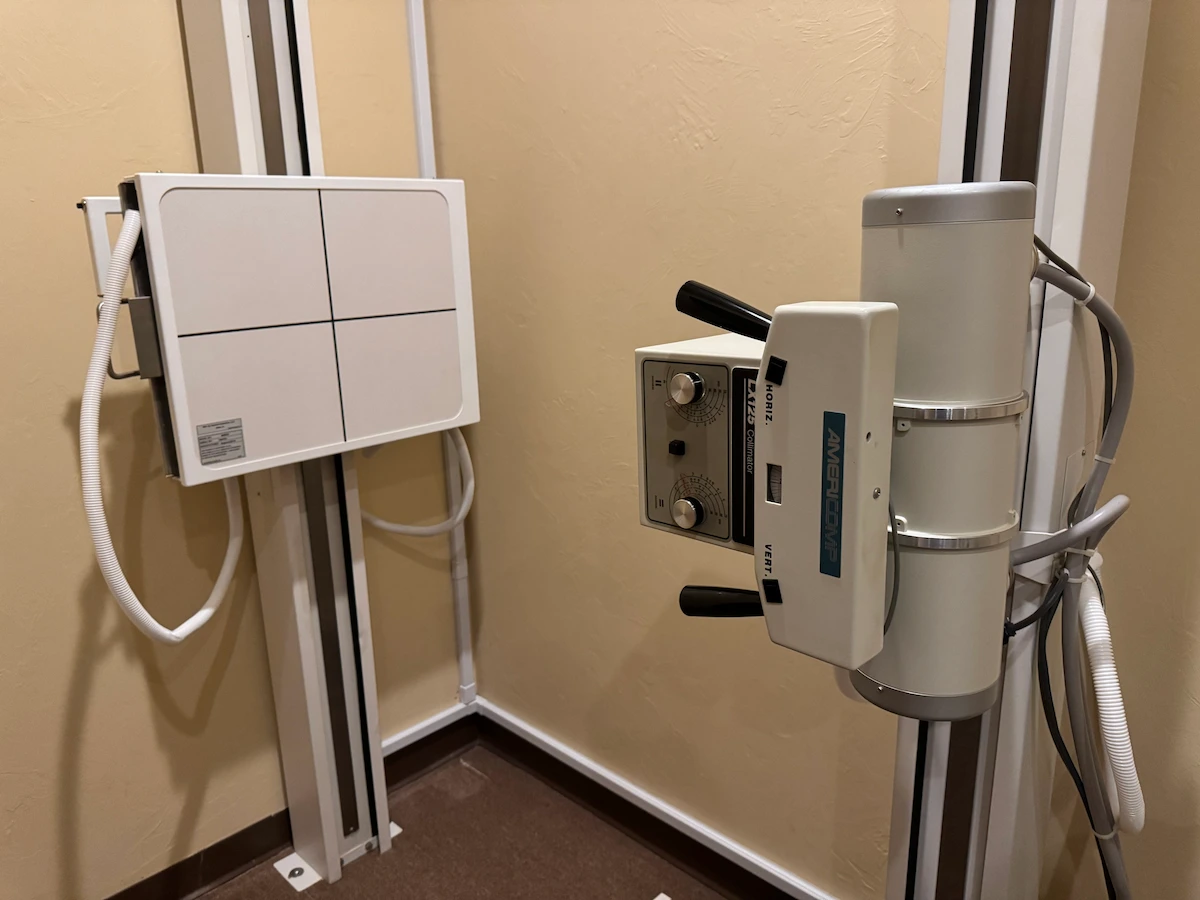
The first visit at Family Tree Chiropractic includes a comprehensive evaluation: detailed history of your neuropathy and its progression, neurological testing including sensation and reflex assessment, orthopedic evaluation, on-site digital X-rays when indicated, and a thorough conversation about your goals and concerns.
From there, we’ll discuss whether we believe we can help, what a realistic treatment plan would look like, and what kind of results other patients with similar conditions have experienced. We’re honest about what’s likely to help and what isn’t. If something needs to be referred to another specialist, we’ll tell you that directly.
Frequently Asked Questions
Can neuropathy be reversed completely?
It depends on the cause, severity, and how long it’s been present. Some neuropathy patients see near-complete reversal of symptoms. Others see significant improvement but not complete resolution. The goal is meaningful, lasting relief and improved function, not necessarily perfection.
How is this different from what my primary care doctor offers?
Primary care typically focuses on managing the underlying cause (such as blood sugar control) and prescribing symptom-management medications. We add direct treatment of the damaged nerve tissue through cold laser therapy and address any spinal contributors. Both approaches are valuable and often work better together.
Will I need to stop my neuropathy medications?
That’s a decision between you and your prescribing doctor. Many patients are able to reduce their medication dosage as their symptoms improve with treatment, but any medication changes should be made with your prescribing physician, not by stopping on your own.
Is cold laser therapy safe for diabetic patients?
Yes. Cold laser is well-tolerated by diabetic patients and can be a meaningful addition to comprehensive diabetes management. The therapy itself doesn’t affect blood sugar levels.
A Different Path Forward for Neuropathy
If you’ve been told that neuropathy medication is your only option, you have other choices worth considering. Family Tree Chiropractic in Oklahoma City offers a non-medication approach that addresses what’s happening at the nerve level, not just the symptoms it produces.
Call us at (405) 340-4400 or request your appointment online. New patients are welcome with our $49 comprehensive special, including consultation, adjustment, X-ray, cold laser, and a massage voucher – so you can experience cold laser therapy firsthand on your first visit.