
Adult scoliosis, an abnormal sideways spinal curvature, causes chronic back pain and postural problems but responds well to chiropractic care, specific exercises, and pain management strategies. At Family Tree Chiropractic in Oklahoma City, Dr. Micah Carter helps adult scoliosis patients reduce pain, maintain function, and slow curve progression through comprehensive treatment that addresses biomechanical imbalances and muscle dysfunction. While scoliosis curves can’t be straightened in adults, quality of life improves significantly with proper management.
Understanding Adult Scoliosis
Scoliosis is a sideways curvature of the spine measuring 10 degrees or more. Unlike childhood scoliosis that develops during growth, adult scoliosis either continues from adolescence or develops new in adulthood.
The spine curves to the left or right when viewed from behind. This creates a C-shape or S-shape instead of the normal straight alignment. Vertebrae may also rotate, creating rib prominence on one side.
Adult scoliosis typically causes pain, unlike childhood scoliosis which is often painless. The abnormal spinal mechanics create muscle imbalances and joint stress that lead to discomfort.
Types of Adult Scoliosis
Adolescent Scoliosis Carried into Adulthood
Many adults have scoliosis that started during adolescence but went undiagnosed or untreated. The curve remains stable for years but may progress after age 40-50 as degenerative changes occur.
These curves vary in severity. Some people have minimal curves that cause few problems. Others have larger curves that create significant pain and functional limitations.
Degenerative Scoliosis
Degenerative scoliosis develops new in adults, typically after age 50. Arthritis, disc degeneration, and osteoporosis weaken spinal structures, allowing curves to develop.
This type usually affects the lumbar spine. The curve develops gradually as one side of the spine degenerates faster than the other, creating asymmetric collapse.
Common Symptoms
Back pain is the primary symptom most adult scoliosis patients notice. The pain comes from abnormal muscle stress, joint compression, and nerve irritation from the curved spine.
Uneven shoulders or hips create visible postural asymmetry. One shoulder blade may protrude more than the other. Pants might not hang evenly because hips aren’t level.
Leg length difference, either actual or functional, often accompanies scoliosis. This creates gait abnormalities and can cause hip and knee problems over time.
Progressive Symptoms
As curves worsen, symptoms typically increase. Growing curves create more muscle imbalance and joint stress. Some people develop radiating leg pain similar to sciatica.
Severe curves can affect lung capacity by compressing the rib cage. This is more common with thoracic (mid-back) scoliosis. Most adult scoliosis patients don’t reach this severity.
How Scoliosis Affects Your Body
Curved spines create uneven muscle stress. Muscles on the concave side (inside of the curve) get tight and shortened. Muscles on the convex side (outside of the curve) get stretched and weakened.
This muscle imbalance pulls you further into the abnormal curve. It also causes pain from overworked muscles on one side and weak, strained muscles on the other.
Spinal joints on the concave side experience compression. Over time, this accelerates arthritis development on that side. The asymmetric degeneration can worsen the curve.
Can Chiropractic Care Fix Scoliosis?
Let’s be honest: chiropractic adjustments can’t straighten significant scoliosis curves in adults. Your spine has adapted to the curve over years or decades. The vertebrae, discs, and ligaments have remodeled around the abnormal position.
What chiropractic care can do is significantly improve how you function with your scoliosis. We reduce pain, maintain mobility, and slow curve progression. Most patients experience major quality of life improvements.
Adjustments restore better motion to restricted spinal segments. They reduce muscle spasm and nerve irritation. Better spinal function means less pain despite the persistent curve.
Managing vs. Curing
Scoliosis management is similar to managing other chronic conditions. We can’t cure it, but we can help you live well despite it.
The goal is maintaining function, reducing pain, and slowing progression. Most adult scoliosis patients achieve these goals through consistent care.
Specific Exercises for Scoliosis
Exercise is critical for adult scoliosis management. The right exercises strengthen weak muscles, stretch tight muscles, and improve overall spinal stability.
Side plank exercises strengthen core muscles on the weak side. This helps counteract the muscle imbalance created by scoliosis.
Stretching exercises release tight muscles on the concave side of your curve. Hip flexor stretches, chest stretches, and specific spinal stretches all help based on your curve pattern.
Schroth Method
The Schroth method is a specific exercise approach for scoliosis. It uses targeted exercises and breathing techniques designed for your particular curve pattern.
While originally developed for adolescents, modified Schroth exercises can help adults maintain function and reduce pain. I incorporate Schroth-inspired exercises into treatment plans when appropriate.
Bracing for Adult Scoliosis
Unlike childhood scoliosis where bracing can slow curve progression during growth, adult bracing doesn’t reverse curves. But braces can provide pain relief and support.
Soft braces or rigid braces worn during activities help stabilize the spine and reduce pain. Some patients wear braces only during high-stress activities or long periods of standing.
Bracing isn’t appropriate for everyone. We evaluate whether bracing would benefit your specific situation or if other approaches work better.
Pain Management Strategies
Heat therapy relaxes tight muscles on the concave side of your curve. Apply heat for 15-20 minutes to relieve muscle tension and pain.
Massage therapy releases chronic muscle tightness. Our massage therapists use techniques specifically beneficial for scoliosis-related muscle imbalances.
Cold laser therapy reduces inflammation in joints experiencing excessive compression from scoliosis. This drug-free approach helps many patients reduce pain medication use.
Postural Training
Conscious posture awareness helps compensate for scoliosis. Learning to hold your body in more balanced positions reduces strain.
Mirror exercises help retrain your sense of proper alignment. Standing in front of a mirror, you consciously correct your posture, training your brain to recognize better positioning.
This doesn’t straighten your spine, but it helps you function better within the limitations scoliosis creates. Better postural habits reduce pain and fatigue.
Activity Modifications
Certain activities aggravate scoliosis more than others. Heavy lifting, especially asymmetric lifting, stresses the curved spine excessively.
High-impact activities might need modification. Running, for example, creates repetitive impact forces that some scoliosis patients tolerate poorly.
Swimming is excellent exercise for scoliosis. The water supports your body weight while allowing strengthening and cardiovascular work without excessive spine stress.
When Surgery Becomes Necessary
Most adult scoliosis doesn’t require surgery. But severe curves causing significant pain or functional limitations sometimes need surgical intervention.
Surgery for adult scoliosis typically involves spinal fusion of the curved segment. This is major surgery with lengthy recovery and significant risks.
Curves progressing rapidly or exceeding 50-60 degrees might warrant surgical consideration. But many adults live well with curves in this range through comprehensive conservative care.
Conservative Care First
Even if surgery eventually becomes necessary, attempting conservative care first makes sense. You can always choose surgery later if conservative treatment fails.
Many patients avoid surgery through consistent chiropractic care, exercises, and lifestyle modifications. Surgery should be a last resort after exhausting conservative options.
Scoliosis and Pregnancy
Women with scoliosis often worry about pregnancy. For most, scoliosis doesn’t prevent healthy pregnancy or delivery.
Pregnancy can temporarily increase back pain from scoliosis as weight gain and postural changes stress the curved spine. Regular chiropractic care throughout pregnancy helps manage these symptoms.
After delivery, scoliosis symptoms often return to pre-pregnancy levels. Postpartum chiropractic care accelerates recovery.
Preventing Curve Progression
While you can’t completely stop scoliosis progression, you can slow it significantly. Maintaining strong core muscles provides spinal support that resists curve worsening.
Regular chiropractic care maintains optimal spinal function. Better biomechanics throughout the spine reduces stress on the curved segment.
Preventing osteoporosis through adequate calcium, vitamin D, and weight-bearing exercise helps maintain bone strength. Weak bones accelerate degenerative scoliosis progression.
Living Well with Scoliosis
Most adults with scoliosis live active, fulfilling lives with proper management. The condition requires ongoing attention but doesn’t have to be disabling.
Consistent care prevents severe pain episodes and maintains function. Regular adjustments, continued exercises, and smart activity choices make the difference.
Support groups exist for adults with scoliosis. Connecting with others managing the same condition provides valuable practical advice and emotional support.
Real Patient Success Stories
I treated a 52-year-old woman with 35-degree lumbar scoliosis. Her back pain was constant, limiting all activities. She worried about losing independence as she aged.
Through consistent adjustments, specific scoliosis exercises, and core strengthening, her pain reduced by 70%. That was three years ago. Her curve hasn’t progressed and she’s maintained her active lifestyle.
Another patient had adolescent scoliosis that progressed in her 40s as degenerative changes occurred. She developed severe pain and her curve increased from 30 to 40 degrees over two years.
Intensive care stabilized her curve. We’ve prevented further progression for 18 months now while maintaining good function and manageable pain levels.
What to Expect from Treatment
Your first visit includes comprehensive scoliosis evaluation. We measure your curve, assess muscle imbalances, and identify factors contributing to your symptoms.
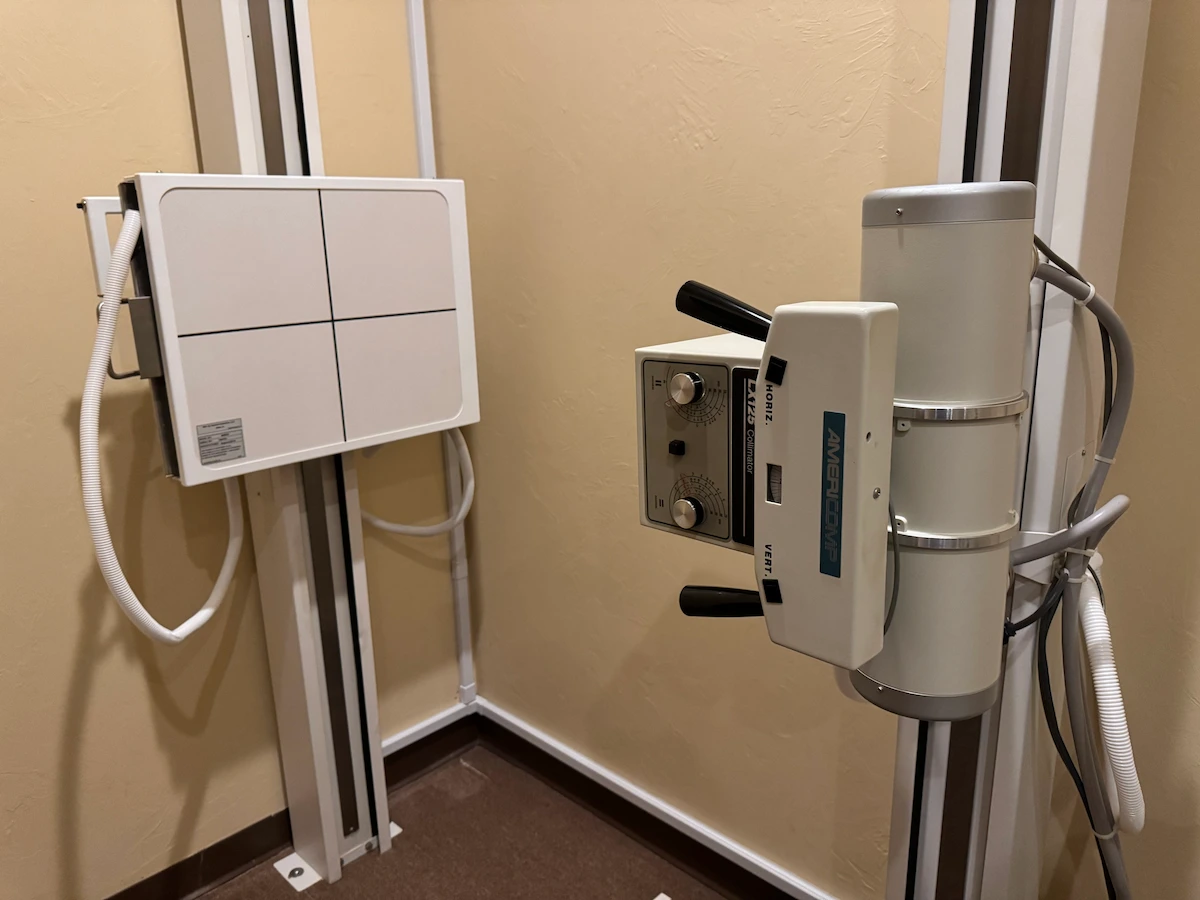
X-rays show your curve pattern and severity. Comparing X-rays over time tracks whether your curve is stable or progressing.
Treatment focuses on pain reduction, improved function, and curve stabilization. Most patients see significant symptom improvement within 8-12 weeks, though scoliosis requires long-term management.
Why Choose Family Tree Chiropractic
In my 23 years treating patients in Oklahoma City, I’ve worked with many adult scoliosis cases. I understand the unique challenges scoliosis creates and realistic treatment goals.
We take a comprehensive approach addressing all aspects of scoliosis management. Adjustments, exercises, pain management, and lifestyle guidance create complete care.
My teaching background shows in how I educate scoliosis patients. You’ll understand your condition and what you can do to manage it effectively long-term.
Don’t accept increasing pain and disability as inevitable with scoliosis. Call Family Tree Chiropractic at (405) 340-4400 to schedule your evaluation with Dr. Carter. We’ll assess your scoliosis and create a comprehensive management plan. Visit our contact page to book online.