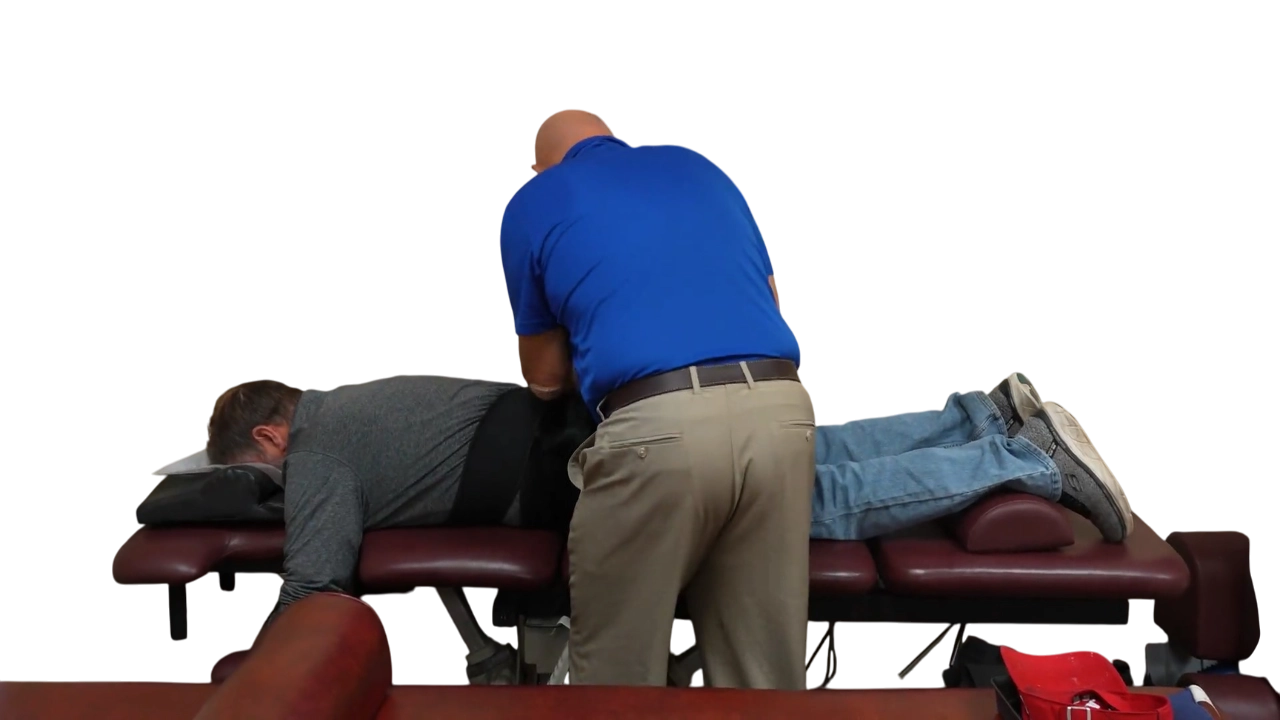

Carpal tunnel syndrome responds well to conservative treatment including chiropractic care, cold laser therapy, and ergonomic corrections, with most patients experiencing significant improvement within 6-8 weeks without surgery. At Family Tree Chiropractic in Oklahoma City, Dr. Micah Carter addresses both wrist symptoms and cervical spine dysfunction that often contributes to carpal tunnel problems. Surgery becomes necessary only when conservative treatment fails or nerve damage is severe.
Understanding Carpal Tunnel Syndrome
The carpal tunnel is a narrow passage in your wrist formed by bones and ligaments. The median nerve passes through this tunnel along with nine tendons that control finger movement.
Carpal tunnel syndrome happens when pressure builds inside this narrow space, compressing the median nerve. You feel numbness and tingling in your thumb, index, middle, and half of your ring finger. Pain often worsens at night.
As the condition progresses, grip strength weakens. You might drop things or have difficulty with fine motor tasks like buttoning clothes. Some people experience pain radiating up the forearm into the shoulder.
Common Causes and Risk Factors
Repetitive wrist movements are the most common cause. Typing, assembly line work, and tool use that requires repetitive gripping or wrist flexion all increase carpal tunnel risk.
Poor wrist posture during computer use creates constant pressure in the carpal tunnel. Most people type with wrists bent upward or resting on hard surfaces. This position compresses the median nerve gradually over time.
Certain medical conditions increase carpal tunnel risk. Diabetes, thyroid disorders, and rheumatoid arthritis all make nerve compression more likely. Pregnancy causes fluid retention that can temporarily compress the median nerve.
The Neck Connection
Here’s what many people don’t realize: cervical spine problems often contribute to carpal tunnel syndrome. Nerve compression in your neck can make the median nerve more sensitive to compression at the wrist.
This is called double crush syndrome. The nerve gets slightly compressed in two places. Neither compression alone would cause significant symptoms, but together they create carpal tunnel syndrome.
That’s why treating only the wrist sometimes fails. We need to address cervical spine dysfunction that’s contributing to the problem.
Why Surgery Isn’t Always the Answer
Carpal tunnel release surgery cuts the ligament forming the roof of the carpal tunnel to reduce pressure. Success rates are good for severe cases with significant nerve damage.
But surgery has risks. Infection, nerve damage, and incomplete symptom relief all occur. Recovery takes 6-12 weeks. Some patients develop worse symptoms after surgery.
More importantly, surgery doesn’t address the causes of carpal tunnel syndrome. If poor posture, repetitive stress, or cervical spine problems caused the compression, those factors remain after surgery. Symptoms can return.
When Surgery Makes Sense
Surgery becomes appropriate when conservative treatment fails after 3-6 months. Severe muscle atrophy at the base of your thumb indicates significant nerve damage requiring surgical intervention.
Progressive weakness or constant numbness rather than intermittent symptoms also suggests surgery might be needed. But most carpal tunnel cases respond to conservative treatment when addressed comprehensively.
Chiropractic Treatment for Carpal Tunnel
Chiropractic adjustments to your cervical spine reduce nerve compression in your neck. This takes pressure off the median nerve before it even reaches your wrist.
We also adjust the wrist and elbow when appropriate. Misalignments in these joints can contribute to carpal tunnel symptoms. Restoring proper joint mechanics reduces nerve irritation.
Upper thoracic adjustments improve posture and reduce the forward head position that creates chronic tension in your forearms. Better overall alignment reduces the repetitive stress causing your carpal tunnel problems.
Treatment Frequency
Most carpal tunnel patients need 2-3 visits per week initially. As symptoms improve, we reduce visit frequency to weekly, then every other week.
Total treatment time averages 6-10 weeks for significant improvement. Some mild cases respond faster. Chronic, severe cases take longer.
Cold Laser Therapy for Nerve Healing
Cold laser therapy accelerates nerve healing and reduces inflammation in the carpal tunnel. The low-level laser penetrates deep into tissue, reaching the compressed median nerve.
At the cellular level, laser therapy stimulates ATP production and reduces inflammatory chemicals. This promotes nerve regeneration and reduces the swelling that’s compressing the nerve.
Laser treatment is completely painless. Each session takes just 5-10 minutes. Most patients need 12-20 laser treatments combined with chiropractic care for optimal results.
Research on Laser Therapy
Multiple studies show cold laser therapy effectiveness for carpal tunnel syndrome. Patients experience reduced pain, improved nerve conduction, and better functional outcomes compared to placebo treatment.
The combination of laser therapy and chiropractic care produces better results than either treatment alone. We’re addressing both the local wrist inflammation and the cervical spine contribution.
Wrist Splinting and Bracing
Night splints keep your wrist in neutral position during sleep. This prevents the bent wrist positions that compress the median nerve at night.
Many patients get dramatic relief just from proper night splinting. You stop compressing the nerve for 6-8 hours every night, allowing it to recover.
Daytime bracing is sometimes helpful during activities that aggravate symptoms. But constant daytime bracing can weaken wrist muscles. We use it strategically rather than continuously.
Ergonomic Corrections
Workspace ergonomics are critical for office workers with carpal tunnel. Keyboard position, mouse placement, and wrist rest setup all affect carpal tunnel pressure.
Your keyboard should be at a height that allows your forearms to rest parallel to the floor with wrists in neutral position. Most people’s keyboards are too high, forcing wrist extension that compresses the carpal tunnel.
Using a vertical mouse instead of a traditional mouse reduces forearm rotation stress. This single change helps many patients significantly.
Proper Typing Posture
Keep wrists straight while typing, not bent up or down. Hovering hands slightly above the keyboard is better than resting wrists on hard surfaces.
Take frequent breaks. Every 20-30 minutes, stop and do wrist stretches. Even 30 seconds of stretching prevents the constant compression that creates carpal tunnel symptoms.
Consider dictation software to reduce typing time. Reducing repetitive wrist movements gives the compressed nerve time to recover.
Exercises and Stretches
Nerve gliding exercises improve median nerve mobility through the carpal tunnel. These gentle movements help the nerve slide through surrounding tissues more easily.
One effective glide: make a fist, then extend fingers and wrist together. Repeat slowly 10 times. This mobilizes the nerve without aggravating it.
Wrist flexor stretches reduce muscle tightness that contributes to carpal tunnel compression. Extend your arm with palm up, use your other hand to gently pull fingers back toward you.
Strengthening Exercises
Grip strengthening exercises seem counterintuitive but actually help. Stronger forearm muscles support the wrist better and reduce stress on the carpal tunnel structures.
Use light resistance. Squeezing a soft ball or using therapy putty builds strength without aggravating symptoms. Start with 5-10 repetitions and gradually increase as tolerated.
Addressing Related Conditions
Tech Neck and Carpal Tunnel
Forward head posture from excessive screen time creates tension throughout your arms. The tech neck position puts constant stress on nerves that eventually reach your hands.
Correcting postural dysfunction often improves carpal tunnel symptoms dramatically. When we fix your neck and upper back posture, wrist symptoms frequently reduce even without direct wrist treatment.
Thoracic Outlet Syndrome
Sometimes symptoms attributed to carpal tunnel actually come from thoracic outlet syndrome where nerves get compressed between your collarbone and first rib.
Comprehensive evaluation differentiates these conditions. The treatment approaches overlap but have important differences. Accurate diagnosis ensures appropriate treatment.
Vitamin B6 and Other Supplements
Some research suggests vitamin B6 supplementation helps carpal tunnel syndrome. The evidence is mixed, but B6 is relatively safe at appropriate doses.
Anti-inflammatory supplements like omega-3 fatty acids may reduce inflammation in the carpal tunnel. While not a primary treatment, they can support other therapies.
Always discuss supplements with your healthcare provider before starting them. Some supplements interact with medications or aren’t appropriate for certain conditions.
Timeline for Improvement
Many patients notice some improvement within 2-3 weeks of starting comprehensive treatment. Night symptoms often improve first. Daytime symptoms take longer to resolve.
Significant improvement typically occurs by 6-8 weeks. Numbness and tingling reduce. Grip strength improves. Activities that were difficult become manageable again.
Complete resolution sometimes takes 10-12 weeks, especially for chronic cases. The median nerve heals slowly. Patience and consistent treatment are critical.
What Slows Progress
Continuing the activities that caused carpal tunnel without modifications delays healing. If your job requires repetitive wrist movements and you don’t address ergonomics, progress stalls.
Skipping exercises or not wearing night splints as recommended slows recovery. These home care components are part of your treatment plan, not optional suggestions.
Preventing Carpal Tunnel Syndrome
Once we get you healed, preventing recurrence becomes the focus. Maintain proper ergonomics at work. Take regular breaks from repetitive activities.
Continue wrist stretches and strengthening exercises even after symptoms resolve. Strong, flexible wrists resist developing carpal tunnel syndrome.
Regular chiropractic care maintains proper cervical spine alignment. Catching small problems before they create symptoms prevents carpal tunnel and other nerve issues.
Real Patient Success Stories
I treated a medical transcriptionist who typed 6-8 hours daily. She developed severe carpal tunnel in both hands. Her doctor recommended surgery.
We corrected her workspace ergonomics completely. Combined with cervical adjustments, wrist adjustments, and cold laser therapy, her symptoms reduced by 80% in eight weeks. She avoided surgery and returned to work full-time.
Another patient, a carpenter, had carpal tunnel from years of tool use. Numbness in his hands made fine work difficult. He was considering changing careers.
Comprehensive treatment including addressing significant cervical spine problems eliminated his symptoms. He’s back working without limitation and has modified his tool grips to reduce wrist stress.
When Conservative Treatment Isn’t Enough
Occasionally, conservative treatment doesn’t provide adequate improvement. Severe nerve compression with muscle atrophy sometimes requires surgery for best outcomes.
Even when surgery becomes necessary, the conservative treatment you’ve done isn’t wasted. Better posture, stronger muscles, and corrected ergonomics lead to better surgical outcomes and faster recovery.
We coordinate with hand surgeons when surgery is appropriate. Good healthcare means knowing when to refer and working collaboratively with other specialists.
Cost Comparison
Carpal tunnel surgery costs $6,000-12,000 depending on complexity and whether both hands are involved. Recovery time means lost work for many patients.
Conservative chiropractic treatment costs significantly less, even without insurance. Most patients spend $1,000-2,500 total for comprehensive treatment that often avoids surgery entirely.
Our $49 new patient special includes consultation, examination, first treatment, and digital X-rays if needed. This gives you thorough evaluation so we can determine if conservative treatment is right for your carpal tunnel syndrome.
Why Choose Family Tree Chiropractic
In my 23 years treating patients in Oklahoma City, I’ve developed specific protocols for carpal tunnel syndrome. I understand the connection between cervical spine dysfunction and wrist symptoms.
We address all contributing factors, not just the compressed nerve at your wrist. Cervical adjustments, ergonomic corrections, exercises, and laser therapy create comprehensive treatment that gets lasting results.
We have all necessary treatment modalities under one roof. You don’t get bounced between different providers for different therapies. Everything is coordinated for optimal outcomes.
Getting Started with Treatment
Your first visit includes comprehensive evaluation of your neck, shoulders, arms, and wrists. We assess nerve function, identify contributing factors, and determine if conservative treatment is appropriate for your case.
On your second visit, I provide detailed explanation of findings. You’ll understand what’s causing your carpal tunnel symptoms and exactly how we’ll address each factor.
Don’t let carpal tunnel syndrome force you toward surgery before trying comprehensive conservative care. Call Family Tree Chiropractic at (405) 340-4400 to schedule your evaluation with Dr. Carter. We’ll assess your condition and create a treatment plan to avoid surgery if possible. Visit our contact page to book online.