
A pinched nerve occurs when surrounding tissues compress a nerve, causing pain, numbness, tingling, or weakness along the nerve’s pathway. At Family Tree Chiropractic in Oklahoma City, Dr. Micah Carter identifies the exact location and cause of nerve compression through comprehensive testing, then addresses the root problem rather than just masking symptoms. Most pinched nerve cases resolve within 6-10 weeks with proper treatment that removes the source of compression.
What Is a Pinched Nerve?
The term “pinched nerve” describes symptoms rather than a specific diagnosis. When something compresses or irritates a nerve, you feel pain, numbness, tingling, or weakness in areas that nerve controls.
Nerves can get compressed at many locations. Your spinal cord sends nerve roots out through spaces between vertebrae. These nerves travel through muscles, between bones, and under ligaments throughout your body. Compression at any point creates symptoms.
The key to fixing a pinched nerve is identifying exactly where and why the compression is occurring. Different locations need different treatments. At Family Tree Chiropractic, we don’t guess. We test to find the precise problem.
Common Symptoms of Pinched Nerves
Sharp, shooting pain that radiates along the nerve path is classic. The pain might travel from your lower back down your leg, or from your neck into your arm, depending on which nerve is compressed.
Numbness and tingling often accompany pinched nerves. You might feel pins and needles, or areas might go completely numb. Some people describe a burning sensation.
Muscle weakness develops when nerve compression is severe or prolonged. The muscles controlled by that nerve don’t receive proper signals, leading to weakness or coordination problems.
Intermittent vs. Constant Symptoms
Some pinched nerves cause constant symptoms. Others come and go based on position or activity. Intermittent symptoms suggest the nerve gets compressed only in certain positions.
Symptoms that worsen with specific movements help identify the compression location. If bending forward increases leg pain, the nerve compression is likely in your lower back. If looking up increases arm symptoms, your neck is probably involved.
Common Locations of Pinched Nerves
Cervical Radiculopathy (Neck)
Nerve compression in your neck creates arm pain, numbness, or weakness. Herniated discs, bone spurs from arthritis, or muscle spasms can all compress cervical nerve roots.
The symptoms follow specific patterns based on which nerve root is compressed. C6 nerve compression affects your thumb and index finger. C7 compression affects your middle finger. C8 compression affects your pinky and ring finger.
Identifying the exact pattern helps pinpoint which disc or spinal level is causing problems. This precision guides treatment to the correct area.
Lumbar Radiculopathy (Lower Back)
Lower back nerve compression causes leg pain commonly called sciatica. The pain radiates from your back through your buttock and down your leg.
Herniated discs are the most common cause of lumbar radiculopathy. The disc material pushes out and compresses the nerve root as it exits your spine.
Spinal stenosis, a narrowing of the spinal canal, also compresses nerves. This condition is more common in older adults as arthritis and thickened ligaments reduce space for nerves.
Carpal Tunnel Syndrome
The median nerve gets compressed as it passes through your wrist’s carpal tunnel. This creates numbness and tingling in your thumb, index, middle, and half of your ring finger.
Repetitive wrist movements, poor typing posture, and certain medical conditions increase carpal tunnel risk. The symptoms often worsen at night.
Piriformis Syndrome
The sciatic nerve passes near or through your piriformis muscle deep in your buttock. When this muscle gets tight or inflamed, it compresses the sciatic nerve.
Piriformis syndrome creates symptoms similar to disc-related sciatica. Proper diagnosis is critical because the treatments differ significantly.
Diagnosing the Exact Problem
At Family Tree Chiropractic, we use specific orthopedic and neurological tests to identify where your nerve is compressed. These tests reproduce your symptoms by putting stress on specific nerves.
Straight leg raise tests identify lower back nerve compression. Shoulder abduction tests identify neck nerve compression. Each test gives us information about the location and severity of nerve involvement.
We also assess reflexes, muscle strength, and sensation. Changes in these indicate which nerve is affected and how severely it’s compressed.
Imaging When Necessary
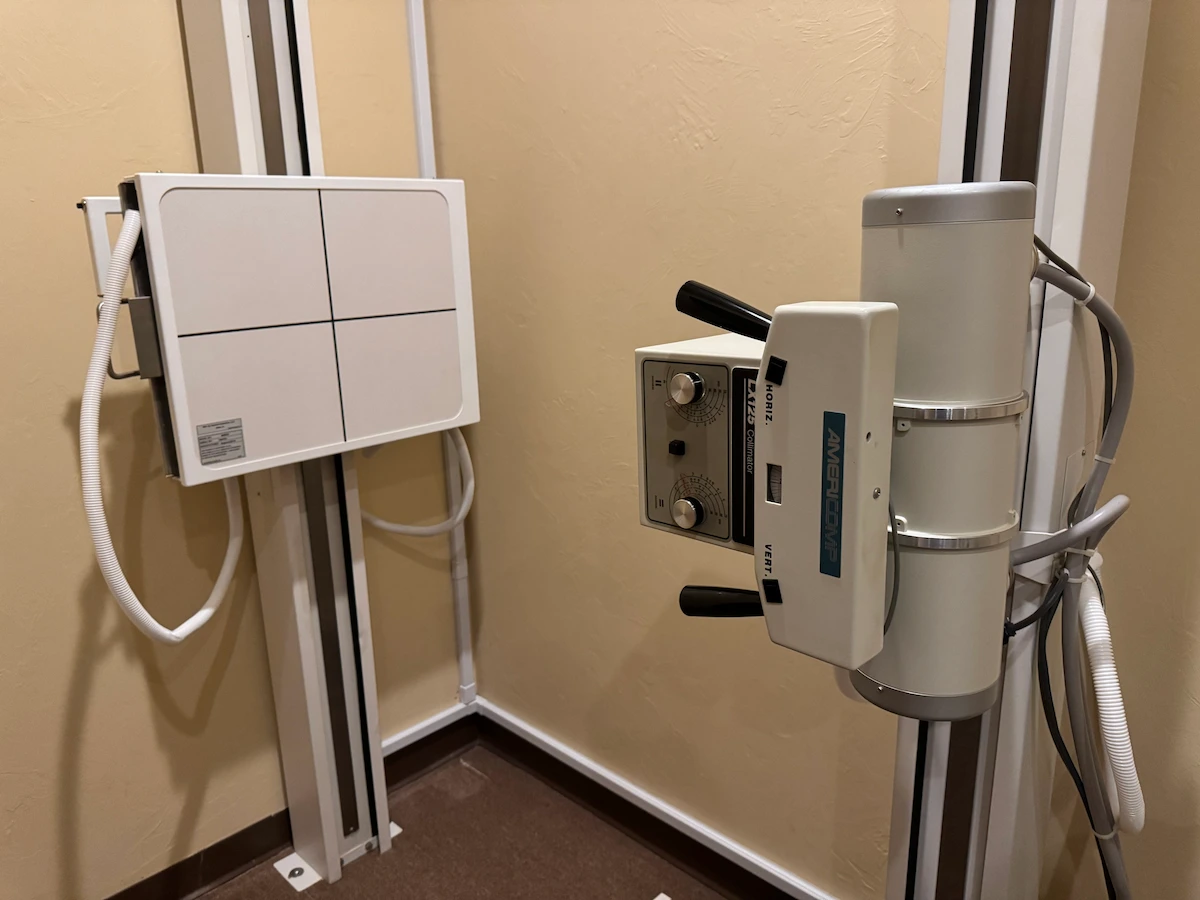
Digital X-rays show bone structure and spinal alignment. They help identify arthritis, disc space narrowing, or structural problems contributing to nerve compression.
MRI provides detailed images of soft tissues including discs, nerves, and muscles. For suspected herniated discs or severe nerve compression, MRI helps confirm the diagnosis and guide treatment.
We order imaging when physical examination findings suggest significant structural problems. But many pinched nerves can be diagnosed and treated effectively without expensive imaging.
How Chiropractic Care Treats Pinched Nerves
Chiropractic adjustments restore proper spinal alignment and joint motion. When vertebrae are misaligned, they can narrow the spaces where nerves exit, creating compression.
Adjustments create more space for nerves by improving spinal mechanics. They also reduce inflammation and muscle spasm that contribute to nerve compression.
For neck-related pinched nerves, cervical adjustments combined with muscle work often provide rapid relief. For lower back nerve compression, lumbar adjustments combined with specific exercises work well.
Gentle Techniques for Acute Cases
When nerve compression is severe and symptoms are acute, I use extremely gentle techniques. We’re not forcing anything or creating discomfort.
The goal is gradually reducing pressure on the nerve while allowing inflammation to decrease. Aggressive treatment of acutely inflamed nerves often makes symptoms worse.
Spinal Decompression for Disc-Related Nerve Compression
Spinal decompression therapy is particularly effective for pinched nerves caused by herniated or bulging discs. The gentle traction creates negative pressure that helps disc material move away from compressed nerves.
The treatment also increases space between vertebrae where nerve roots exit. This mechanical decompression often provides significant symptom relief within 2-3 weeks.
Most disc-related nerve compression needs 20-28 decompression sessions over 8-12 weeks. Some severe cases require more treatments.
Addressing Muscle-Related Nerve Compression
Tight muscles can compress nerves passing through or near them. Piriformis syndrome is one example. Scalene muscles in your neck can compress nerves going to your arms.
Therapeutic massage releases chronic muscle tension that’s compressing nerves. Our massage therapists use specific techniques to release muscles involved in nerve compression.
For stubborn muscle-related nerve compression, shockwave therapy breaks down chronic muscle tension and trigger points. This is particularly effective for piriformis syndrome.
Exercises and Stretches
Specific exercises help relieve nerve compression and prevent recurrence. Nerve gliding exercises gently mobilize nerves through surrounding tissues.
For sciatic nerve compression, nerve flossing exercises help the nerve slide through tight muscles and past bony structures. These gentle movements reduce adhesions that trap nerves.
Strengthening exercises stabilize areas where nerve compression occurs. Core strengthening for lower back nerve problems. Rotator cuff strengthening for neck-related nerve compression.
Stretching Tight Structures
Stretching releases muscles and other soft tissues that compress nerves. Hamstring stretches help some sciatic nerve problems. Chest stretches help some neck nerve compression.
The specific stretches depend on your particular nerve compression location and cause. I provide customized stretching programs based on your examination findings.
Activity Modifications
Certain positions or activities aggravate nerve compression. Identifying and modifying these allows healing while preventing symptom escalation.
For lower back nerve compression, avoiding prolonged sitting often helps. For neck nerve compression, avoiding overhead reaching might be necessary initially.
These aren’t permanent restrictions. As the nerve heals, you gradually reintroduce activities. The goal is full return to all activities without symptoms.
Timeline for Recovery
Mild nerve compression often improves quickly, within 2-4 weeks. More severe compression takes longer, typically 8-12 weeks for significant improvement.
Initial pain relief usually occurs within the first few weeks. Numbness and tingling take longer to resolve than pain. Weakness improves last and sometimes persists if nerve compression was severe or prolonged.
Consistent treatment and following all recommendations accelerates recovery. Skipping treatments or not doing exercises delays healing.
When Surgery Might Be Necessary
Most pinched nerves respond to conservative treatment. But some cases need surgical intervention for best outcomes.
Progressive muscle weakness, especially foot drop or hand weakness, suggests surgery might be necessary. Severe weakness indicates significant nerve damage requiring decompression surgery.
Loss of bowel or bladder control is a medical emergency requiring immediate surgical evaluation. This indicates severe spinal cord compression.
Conservative Care First
Even when symptoms are severe, attempting conservative care first usually makes sense unless you have progressive weakness or bowel/bladder symptoms.
Many patients who were told they need surgery achieve excellent results through comprehensive conservative treatment. Surgery can always be done later if conservative care fails.
Preventing Pinched Nerves
Maintaining good posture reduces nerve compression risk. Forward head posture and rounded shoulders create chronic nerve stress in your neck and arms.
Regular chiropractic care keeps your spine aligned properly. Catching small problems before they cause nerve compression prevents painful episodes.
Proper workplace ergonomics prevents repetitive stress that leads to carpal tunnel and other nerve compression syndromes.
Real Patient Success Stories
I treated a 45-year-old with severe sciatica from a herniated disc. His leg pain was 9 out of 10. He could barely walk. His orthopedist recommended immediate surgery.
Through spinal decompression, adjustments, and specific exercises, his pain dropped to 3 within three weeks. After 10 weeks, he was pain-free. He avoided surgery completely.
Another patient had cervical radiculopathy causing arm numbness and weakness. She couldn’t type at her computer job without severe symptoms.
Cervical adjustments, nerve gliding exercises, and ergonomic corrections resolved her symptoms in six weeks. She returned to work full-time without limitations.
Different Approaches for Different Nerves
Treatment varies significantly based on which nerve is compressed and what’s compressing it. That’s why accurate diagnosis is so important.
Disc-related nerve compression needs decompression therapy. Muscle-related compression needs massage and stretching. Joint-related compression needs adjustments.
Many cases involve multiple factors. A herniated disc might compress a nerve while muscle spasm makes it worse. Comprehensive treatment addresses all contributing factors.
Why Choose Family Tree Chiropractic
In my 23 years treating patients in Oklahoma City, I’ve developed specific diagnostic skills for identifying nerve compression locations. We test rather than guess about what’s causing your symptoms.
We have all treatment modalities needed for nerve compression cases. Decompression, adjustments, massage, exercises, and ergonomic guidance provide complete care.
With my Advanced Competency in Whiplash and Brain Traumatology from the Spine Research Institute, I bring specialized expertise to complex nerve problems. I understand the neurological complications that can occur and how to treat them effectively.
Getting Started with Treatment
Your first visit includes comprehensive neurological and orthopedic examination. We identify exactly which nerve is compressed, where the compression is occurring, and what’s causing it.
On your second visit, I provide detailed explanation of findings. You’ll understand your specific nerve compression and the treatment plan to fix it. You’ll also know the expected timeline for recovery.
Don’t accept numbness, tingling, or radiating pain as something you have to live with. Call Family Tree Chiropractic at (405) 340-4400 to schedule your evaluation with Dr. Carter. We’ll identify your pinched nerve’s root cause and create a treatment plan to fix it. Visit our contact page to book online.