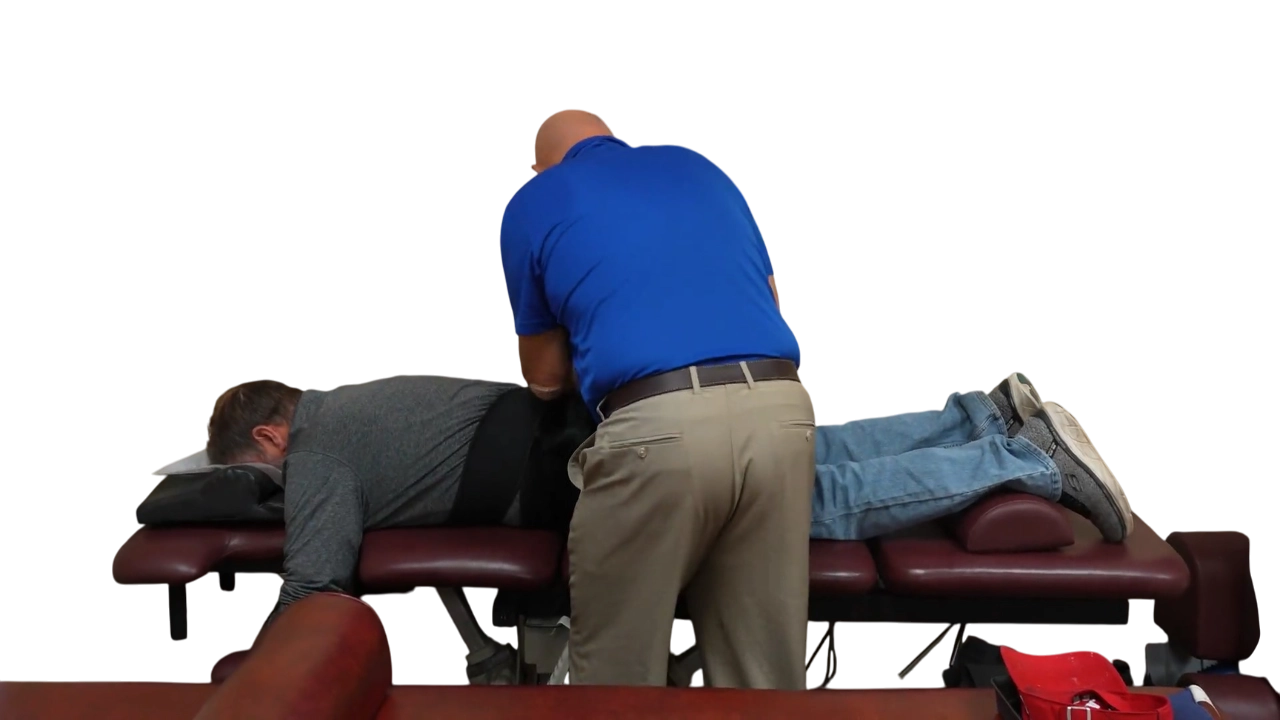

Chiropractic care after joint replacement surgery addresses compensatory problems in the spine and remaining joints, helping patients achieve optimal post-surgical function and preventing new pain from developing. At Family Tree Chiropractic in Oklahoma City, Dr. Micah Carter works with post-surgical patients to correct biomechanical imbalances created by years of abnormal movement before surgery, treat adjacent joint stress, and optimize overall body mechanics. Most patients see significant improvement in residual pain and function within 6-8 weeks of starting post-surgical chiropractic care.
Why Chiropractic Care After Joint Replacement?
Joint replacement surgery fixes the damaged joint. But years of limping, favoring one side, and abnormal movement patterns created problems elsewhere in your body. These problems don’t disappear just because you got a new hip or knee.
Your spine adapted to your abnormal gait. Muscles developed imbalances. Other joints compensated for the damaged one. All these adaptations remain after surgery unless specifically addressed.
That’s where chiropractic care comes in. We correct the compensatory problems created during years of joint deterioration. This helps you get maximum benefit from your joint replacement.
Common Problems After Joint Replacement
Persistent Back Pain
Many people expect all their pain to disappear after joint replacement. When back pain persists or develops, they’re confused and frustrated.
Years of abnormal walking from hip or knee arthritis created spinal misalignments and muscle imbalances. Your new joint doesn’t automatically fix these established problems.
Lower back pain is particularly common after hip replacement. The altered hip mechanics from years of arthritis created compensatory lower back stress that continues until corrected.
Pain in the Opposite Joint
People who favor one leg for years often develop problems in the opposite hip or knee. That leg worked overtime compensating for the damaged side.
After surgery on one side, the opposite joint might hurt more. Years of excessive stress finally catch up. Addressing this before it requires its own surgery makes sense.
Continued Gait Abnormalities
Limping for years creates ingrained movement patterns. Your nervous system learned the abnormal gait. Even with a new joint, you might continue limping from habit.
This continued abnormal gait stresses your new joint and all other joints. Retraining proper gait mechanics protects your joint replacement and prevents other problems.
When to Start Chiropractic Care After Surgery
Most surgeons clear patients for normal activities 6-12 weeks after joint replacement. Once you have surgical clearance, chiropractic care can begin.
Some gentle work can start even earlier with surgeon approval. Addressing spinal and muscle issues during recovery optimizes healing and prevents compensatory problems from worsening.
Don’t wait until problems become severe. Starting chiropractic care soon after surgical clearance prevents issues from becoming chronic.
Addressing Spinal Misalignments
Chiropractic adjustments correct spinal misalignments created by years of abnormal movement. When your hip or knee was bad, you moved differently to avoid pain. This altered your spinal mechanics.
Adjustments restore proper spinal alignment and motion. This reduces pain and allows your body to move normally with your new joint.
I use gentle techniques appropriate for post-surgical patients. We’re restoring function, not creating stress on healing tissues.
Pelvic Alignment After Hip Replacement
Hip replacement changes your hip mechanics. Leg length might differ slightly from before surgery. These changes affect pelvic alignment.
Pelvic adjustments optimize how your pelvis functions with your new hip. Proper pelvic mechanics reduce stress on your lower back and the opposite hip.
Correcting Muscle Imbalances
Years of compensation created significant muscle imbalances. Some muscles are too tight, others too weak. These imbalances don’t resolve just because you got a new joint.
Therapeutic massage releases chronically tight muscles. Our massage therapists work on muscles that were overworking to compensate for your damaged joint.
Specific strengthening exercises rebuild weak muscles. Core strengthening, hip stabilizer strengthening, and overall leg strengthening help you use your new joint properly.
Gait Retraining
Learning to walk normally again requires conscious effort and professional guidance. Your brain learned the limping pattern over years. It won’t automatically switch back to normal gait.
We analyze your gait and identify specific abnormalities. Then we provide exercises and cues to retrain proper walking mechanics.
Mirror work helps. Watching yourself walk in a mirror provides visual feedback about your gait pattern. This helps retrain your nervous system.
Balance and Proprioception
Abnormal movement for years impaired your balance and body awareness (proprioception). This increases fall risk, which is particularly concerning with a new joint replacement.
Balance exercises rebuild proprioception. Single-leg standing, balance board work, and specific coordination exercises all help.
Protecting Your Opposite Joint
If you had hip replacement on one side, your opposite hip probably has some arthritis too. It compensated for years while you favored your bad hip.
Proper biomechanics throughout your body reduces stress on that compensating joint. This might prevent or delay the need for surgery on the opposite side.
Regular chiropractic care maintains optimal alignment and muscle balance. This protective effect is one of the most valuable benefits of post-surgical chiropractic care.
Managing Scar Tissue
Surgical scar tissue can restrict movement and create discomfort. While we don’t work directly on recent surgical scars, we address tissue restrictions that develop around the surgical area.
Gentle soft tissue work releases restrictions in muscles and fascia near your new joint. This improves range of motion and reduces compensatory stress on other areas.
Cold Laser Therapy for Healing
Cold laser therapy accelerates tissue healing and reduces inflammation. For post-surgical patients, laser therapy can speed recovery and reduce discomfort.
The low-level laser stimulates cellular healing processes without creating heat or discomfort. It’s completely safe for post-surgical use once incisions have healed.
Many post-surgical patients use laser therapy on remaining painful areas like the lower back or opposite knee. This drug-free approach reduces pain without interfering with medications.
Realistic Expectations
Chiropractic care optimizes your outcome after joint replacement. It doesn’t guarantee perfection. Some limitations might persist based on your specific surgery and overall health.
Most patients achieve significant improvement in residual pain and function. Activities that were difficult become easier. Pain that persisted after surgery often reduces substantially.
The goal is helping you get maximum benefit from your joint replacement investment. Surgery fixed your joint. We optimize everything else.
Coordinating with Your Surgeon
We work collaboratively with your orthopedic surgeon. Good post-surgical care means communication between all providers.
I send progress notes to your surgeon documenting your improvement and any concerns. If something doesn’t seem right with your surgical recovery, I coordinate with your surgeon immediately.
This collaborative approach ensures you get the best possible outcome from both surgery and conservative care.
Long-Term Joint Health
Joint replacements typically last 15-20 years or more. Maximizing that lifespan requires proper body mechanics and maintenance.
Regular chiropractic care maintains optimal alignment and muscle balance. This reduces abnormal stress on your replacement joint.
Patients who maintain good overall biomechanics often get more years from their joint replacements. Preventing abnormal wear patterns extends the life of your new joint.
When Multiple Joints Are Replaced
People with both hips replaced or both knees replaced face unique challenges. The cumulative effect of multiple surgeries and altered biomechanics needs comprehensive addressing.
Bilateral replacements often create different compensatory patterns than single-joint replacements. We customize treatment based on your specific situation.
Real Patient Success Stories
I treated a 68-year-old six months after hip replacement. Her new hip was fine, but her lower back pain was worse than ever. Her surgeon said the back pain wasn’t related to the hip surgery.
But the back pain came from years of compensating for her bad hip before surgery. Those compensations remained after surgery until we addressed them.
Through adjustments, core strengthening, and gait retraining, her back pain reduced by 80% over eight weeks. She finally enjoyed her new hip without back pain limiting her activities.
Preventing Second Surgery
Another patient had knee replacement on her right knee. Within a year, her left knee was deteriorating rapidly. Her surgeon said she’d need replacement on that side too.
We addressed her biomechanical problems comprehensively. Proper alignment and muscle balance reduced stress on her remaining knee. Three years later, she’s avoided surgery on the left side.
Exercise Programs for Post-Surgical Patients
Physical therapy after surgery focuses on the replaced joint. We complement this by addressing overall body function.
Our exercises target weak muscles throughout your body, not just near the surgical site. Core strength, overall leg strength, and balance work create comprehensive improvement.
Continue exercises long-term. The benefits persist only if you maintain the strength and flexibility we’ve built.
Preventing Falls
Fall prevention is critical after joint replacement. A fall can damage your new joint or cause fractures.
Balance training reduces fall risk significantly. Improved proprioception helps you catch yourself before falls happen.
Proper biomechanics throughout your body improves stability. When everything works together properly, you’re steadier on your feet.
Insurance and Costs
Most insurance plans cover post-surgical chiropractic care. We verify your coverage and explain any out-of-pocket costs before starting treatment.
Medicare typically covers chiropractic care for subluxations (spinal misalignments). Post-surgical patients often qualify under this coverage.
Our $49 new patient special gives post-surgical patients comprehensive evaluation. This includes consultation, examination, X-rays if needed, first treatment, and detailed recommendations.
Why Choose Family Tree Chiropractic
In my 23 years treating patients in Oklahoma City, I’ve worked with many post-surgical patients. I understand the unique needs of people recovering from joint replacement.
We take a comprehensive approach addressing all factors affecting your post-surgical function. This isn’t just about your spine but about optimizing your entire body mechanics.
I coordinate closely with orthopedic surgeons. Your surgical care and conservative care should work together, not operate in separate silos.
Getting Started
Your first visit includes comprehensive evaluation of your post-surgical status. We assess your gait, spinal alignment, muscle balance, and functional limitations.
We review your surgical records and understand exactly what procedure you had. This ensures our treatment complements rather than interferes with your surgical recovery.
On your second visit, I provide detailed explanation of findings and treatment recommendations. You’ll understand how chiropractic care will help you maximize your surgical outcome.
Don’t settle for persistent pain or limitations after joint replacement. Call Family Tree Chiropractic at (405) 340-4400 to schedule your post-surgical evaluation with Dr. Carter. We’ll help you get maximum benefit from your joint replacement. Visit our contact page to book online.