Chiropractic care provides effective drug-free relief for arthritis pain by improving joint mobility, reducing inflammation, and maintaining optimal biomechanics that protect arthritic joints. At Family Tree Chiropractic in Oklahoma City, Dr. Micah Carter helps arthritis patients reduce pain, maintain function, and minimize medication dependence through gentle adjustments, cold laser therapy, and targeted exercises. While chiropractic can’t cure arthritis, it significantly improves quality of life for most patients.
Understanding Arthritis
Arthritis literally means joint inflammation. Over 100 different types exist, but osteoarthritis and rheumatoid arthritis are most common.
Osteoarthritis is degenerative arthritis from wear and tear on joints. Cartilage that cushions joints breaks down over time. Bones rub together, causing pain, stiffness, and reduced mobility.
Rheumatoid arthritis is an autoimmune condition where your immune system attacks joint tissues. It creates inflammation, pain, and progressive joint damage. This type often affects multiple joints symmetrically.
Common Arthritis Symptoms
Pain is the primary symptom most people notice. The pain might be constant or intermittent. Movement typically makes it worse initially, though gentle activity often provides relief once joints warm up.
Stiffness, especially in the morning or after sitting, characterizes arthritis. Your joints feel tight and resistant to movement. This morning stiffness lasting more than 30 minutes suggests inflammatory arthritis like rheumatoid arthritis.
Reduced range of motion develops as arthritis progresses. Joints don’t move through their full range. Simple tasks like reaching overhead or bending down become difficult.
How Arthritis Affects Quality of Life
Arthritis pain limits activities you enjoy. Gardening, golfing, playing with grandchildren all become more difficult. Sleep suffers when joint pain wakes you at night.
Chronic pain affects mood and mental health. Many arthritis patients develop depression or anxiety from dealing with constant discomfort and increasing limitations.
The progressive nature of arthritis creates worry about the future. Will I need joint replacement? Will I lose independence? These concerns weigh heavily on arthritis patients.
Traditional Arthritis Treatment
Most doctors start with anti-inflammatory medications. NSAIDs like ibuprofen reduce inflammation and pain. These work for many patients but require ongoing use.
Prescription medications include stronger NSAIDs, disease-modifying drugs for rheumatoid arthritis, and pain medications for severe cases. All carry side effects with long-term use.
Cortisone injections provide temporary relief by reducing inflammation in specific joints. But repeated injections can damage joints and lose effectiveness over time.
The Medication Treadmill
Many arthritis patients find themselves trapped on escalating medication regimens. What worked initially stops working. Doses increase. More medications get added.
Side effects accumulate with long-term medication use. Stomach problems, cardiovascular risks, kidney damage all concern patients taking NSAIDs for years.
This is where chiropractic care offers an alternative. We’re not against appropriate medication use. But many arthritis patients can reduce medication dependence through comprehensive conservative care.
How Chiropractic Care Helps Arthritis
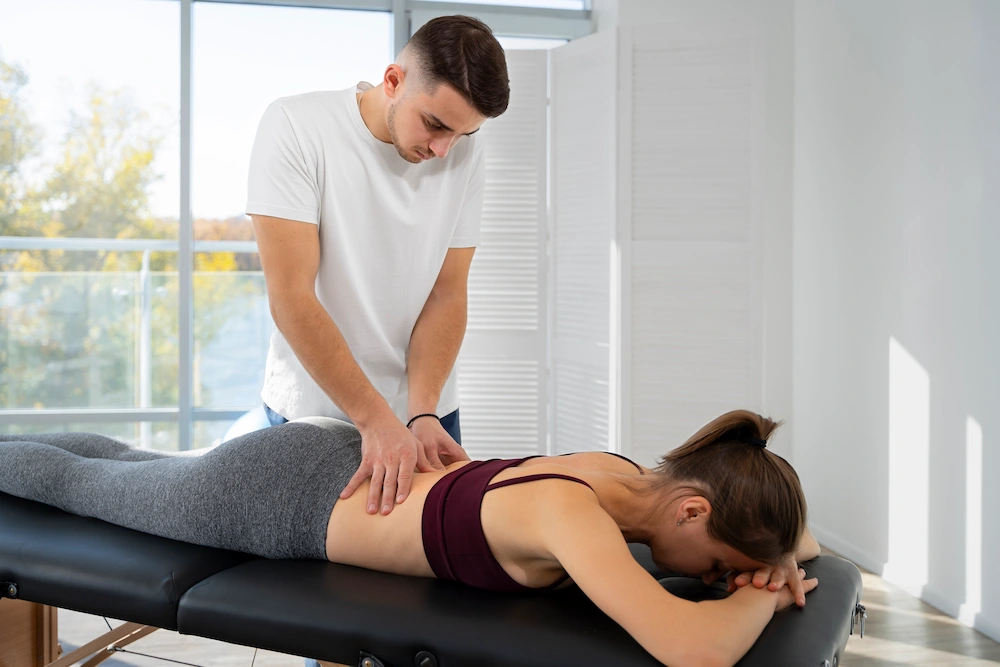
Chiropractic adjustments improve joint mobility. When arthritic joints move better, they hurt less. Gentle mobilization prevents joints from becoming increasingly stiff and restricted.
Proper spinal alignment reduces stress on arthritic joints throughout your body. When your spine functions optimally, peripheral joints don’t have to compensate. This slows arthritis progression in vulnerable joints.
Adjustments also reduce inflammation. Improving joint mechanics decreases the inflammatory response that causes pain and swelling. Many patients notice reduced joint swelling after regular chiropractic care.
Gentle Techniques for Arthritic Joints
I use gentle adjustment techniques appropriate for arthritic patients. We’re not forcing stiff joints or creating discomfort. The adjustments are controlled, specific, and adapted to your tolerance.
For severely arthritic joints, we use mobilization rather than manipulation. This involves gentle movement through available range without the typical “cracking” sounds. It’s equally effective but more comfortable for sensitive joints.
Cold Laser Therapy for Arthritis
Cold laser therapy reduces arthritis inflammation at the cellular level. The low-level laser penetrates deep into joints, reaching inflamed tissues.
Research shows cold laser therapy significantly reduces pain and improves function in arthritis patients. The treatment stimulates cellular healing processes and reduces inflammatory chemicals.
Laser therapy is completely painless. Each session takes just 5-10 minutes per joint. Most arthritis patients need 2-3 laser sessions weekly initially, tapering to weekly as symptoms improve.
Combining Laser with Adjustments
The combination of laser therapy and chiropractic adjustments produces better results than either treatment alone. We’re addressing both the inflammatory component and the biomechanical dysfunction.
Many patients reduce their anti-inflammatory medication use after starting laser therapy. The natural inflammation reduction from laser treatment often allows medication tapering under medical supervision.
Exercise and Arthritis Management
Specific exercises are critical for arthritis management. The right exercises reduce pain and maintain joint function. The wrong exercises accelerate joint damage.
Range of motion exercises keep joints mobile. Gentle stretching prevents the progressive stiffness that characterizes arthritis. Even 5-10 minutes daily makes a significant difference.
Strengthening exercises build muscles that support arthritic joints. Stronger muscles reduce stress on damaged cartilage. This slows arthritis progression and reduces pain.
Low-Impact Activity
Walking, swimming, and cycling are excellent for arthritis. These activities maintain fitness without excessive joint stress. Swimming is particularly beneficial because water supports your body weight.
Avoid high-impact activities like running or jumping if you have lower extremity arthritis. These accelerate joint degeneration. Choose activities that keep you moving without pounding your joints.
Managing Different Types of Arthritis
Spinal Arthritis
Arthritis in your spine creates back pain and stiffness. Facet joint arthritis is extremely common in people over 50. The small joints between vertebrae develop bone spurs and inflammation.
Regular adjustments maintain spinal mobility despite arthritis. We keep arthritic segments moving as well as possible, which reduces pain and prevents progressive stiffness.
Hip and Knee Arthritis
Weight-bearing joint arthritis limits walking and standing. Maintaining proper alignment through adjustments reduces compensatory stress on arthritic hips and knees.
Pelvic adjustments often help hip arthritis by improving hip joint mechanics. Addressing foot and ankle problems reduces abnormal forces transmitted to arthritic knees.
Shoulder and Neck Arthritis
Cervical spine arthritis causes neck pain and stiffness. Shoulder arthritis limits overhead reaching and daily activities.
Gentle cervical adjustments maintain neck mobility. Shoulder mobilization and specific exercises preserve shoulder function despite arthritis.
Massage Therapy for Arthritis
Therapeutic massage reduces muscle tension around arthritic joints. When muscles relax, joint pain often decreases significantly.
Massage also improves circulation to arthritic areas. Better blood flow brings nutrients needed for whatever healing is possible and removes inflammatory chemicals.
Our massage therapists use techniques specifically appropriate for arthritis patients. We’re not creating discomfort but providing gentle, therapeutic work that reduces pain and improves mobility.
Weight Management and Arthritis
Excess weight accelerates joint arthritis, especially in weight-bearing joints. Every pound of body weight creates 3-4 pounds of force on your knees during walking.
Losing even 10-15 pounds significantly reduces arthritis pain and slows progression. This is one of the most effective interventions for hip and knee arthritis.
We can discuss nutrition and weight management strategies that support arthritis treatment. Combined with regular movement, sensible nutrition helps maintain healthy weight.
Anti-Inflammatory Diet Considerations
Certain foods promote inflammation while others reduce it. An anti-inflammatory diet can complement chiropractic treatment for arthritis.
Omega-3 fatty acids from fish, flaxseed, and walnuts reduce inflammation. Colorful fruits and vegetables provide antioxidants that combat inflammatory processes.
Avoiding processed foods, excess sugar, and trans fats reduces inflammatory triggers. While diet alone won’t cure arthritis, it can meaningfully reduce symptoms.
Realistic Expectations
Chiropractic care can’t cure arthritis or regenerate damaged cartilage. We need to be honest about this. The joint damage from arthritis is permanent.
What we can do is significantly reduce pain, maintain function, and slow progression. Most arthritis patients experience meaningful quality of life improvements through regular chiropractic care.
Some patients reduce medication use by 50-75%. Others maintain function that would otherwise decline. Many delay or avoid joint replacement surgery through consistent conservative care.
Long-Term Management
Arthritis requires ongoing management. This isn’t a condition you fix and forget. Regular chiropractic care, continued exercises, and lifestyle modifications maintain improvement.
Most arthritis patients benefit from adjustments every 2-4 weeks long-term. This isn’t dependency. It’s appropriate management of a chronic degenerative condition.
When Joint Replacement Becomes Necessary
Sometimes arthritis progresses to where joint replacement surgery provides the best outcome. Severe pain that doesn’t respond to conservative care and significantly limits life suggests surgery might be appropriate.
We coordinate with orthopedic surgeons when surgery becomes necessary. Good healthcare means knowing when conservative care has reached its limits.
Even patients who need joint replacement benefit from chiropractic care before and after surgery. Better overall spinal health leads to better surgical outcomes and faster recovery.
Real Arthritis Patient Success Stories
I treated a 62-year-old with severe knee arthritis. Her orthopedist recommended bilateral knee replacement. She wanted to delay surgery as long as possible.
Through consistent adjustments, laser therapy, weight loss of 20 pounds, and specific exercises, her pain reduced by 60%. That was three years ago. She’s still avoiding surgery and functioning well.
Another patient had debilitating spinal arthritis causing constant back pain. He was taking maximum dose NSAIDs daily and considering stronger pain medication.
Regular adjustments, laser therapy, and core strengthening allowed him to reduce NSAID use by 75%. His pain is manageable, and he’s maintained his independence.
Cost of Arthritis Management
Long-term medication costs add up significantly. If you take prescription NSAIDs at $50-100 monthly, that’s $600-1,200 yearly. Over a decade, that’s $6,000-12,000 plus monitoring costs.
Regular chiropractic care costs less long-term while avoiding medication side effects. Most patients find the investment worthwhile for improved quality of life and reduced medication dependence.
Our $49 new patient special includes comprehensive evaluation so we can assess whether chiropractic care is appropriate for your arthritis and create a realistic treatment plan.
Why Choose Family Tree Chiropractic
In my 23 years treating patients in Oklahoma City, I’ve worked extensively with arthritis patients. I understand the progressive nature of the condition and realistic goals for conservative care.
We have multiple treatment modalities that benefit arthritis. Adjustments, cold laser therapy, therapeutic massage, and rehabilitation exercises provide comprehensive arthritis management.
My teaching background shows in how I educate arthritis patients. You’ll understand your condition, what we can and can’t do about it, and how to maintain improvement long-term.
Getting Started with Arthritis Treatment
Your first visit includes comprehensive evaluation of your arthritis. We assess which joints are affected, how severe the arthritis is, and what realistic improvements we can achieve.
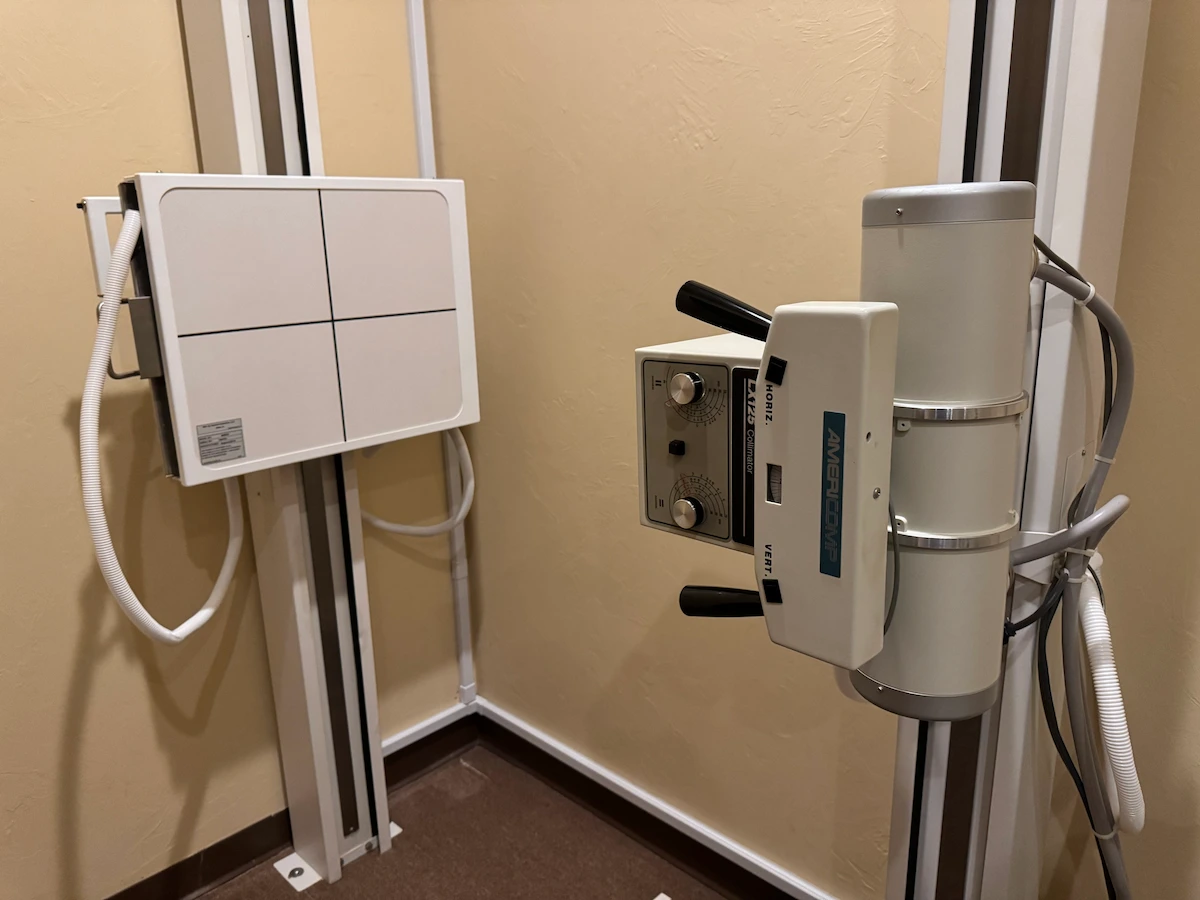
We review any X-rays or other imaging you have. Seeing the actual joint damage helps us create appropriate treatment plans and set realistic expectations.
On your second visit, I provide detailed explanation of findings and recommendations. You’ll understand exactly what chiropractic care can do for your arthritis.
Don’t accept constant pain and progressive disability as inevitable with arthritis. Call Family Tree Chiropractic at (405) 340-4400 to schedule your evaluation with Dr. Carter. We’ll assess your arthritis and create a comprehensive management plan to reduce pain and maintain function. Visit our contact page to book online.