
Feeling fine after a car accident doesn’t mean you weren’t injured. The body’s natural shock and inflammation response often masks soft tissue damage for the first 24 to 72 hours, which is exactly why getting evaluated within that window matters even if you have no pain. At Family Tree Chiropractic in Oklahoma City, we specialize in identifying auto accident injuries before they become chronic problems that affect you for years.
Why Feeling Fine After an Accident Can Be Misleading
The human body has a remarkable protective response to trauma. When you’re in a car accident, your adrenaline spikes, your nervous system goes into fight-or-flight mode, and your body releases natural anti-inflammatory chemicals that dull pain signals. This is exactly what’s supposed to happen in a sudden crisis.
But that protective response is also why so many accident victims walk away feeling okay, only to develop significant pain and stiffness three days, a week, or even two weeks later. The injury was there the whole time. The body just wasn’t letting you feel it.
I’ve been treating accident patients in Oklahoma City for over 23 years, and I see this pattern constantly. A patient comes in two weeks after a collision. They tell me they felt completely fine at the scene, declined treatment at the ER, and went home thinking they got lucky. Then the headaches started. Then the neck stiffness. Then the lower back that won’t let them sleep through the night.
What happened? Soft tissue damage was already there. By the time symptoms emerged, the injuries had begun to settle into patterns of inflammation, scar tissue formation, and muscle guarding that are harder to address than they would have been on day one.
The Science Behind Delayed Symptoms
Here’s what’s actually happening during those first few days after an accident.
The initial impact causes microscopic tearing in muscles, ligaments, and tendons. Discs may experience small tears in their outer wall. Spinal segments often get jolted into dysfunctional positions. None of this shows up on X-rays, which is why ER clearance doesn’t mean “you’re uninjured.” It means “you don’t have a fracture or visible structural damage.”
Over the following 24 to 72 hours, inflammation builds up around the damaged tissue. As that inflammation increases, it begins to compress nerve endings and stimulate pain receptors. That’s when the symptoms emerge. Headaches, neck pain, back stiffness, jaw tension, dizziness, and shoulder pain are all common delayed presentations.
The well-documented research on this delayed pattern is exactly why I hold an Advanced Competency in Whiplash and Brain Traumatology from the Spine Research Institute of San Diego. Understanding the timeline of post-accident injury changes how we evaluate patients and what we look for at different stages.
For more detail on this, see our post on hidden auto accident injuries that appear days later.
The Real Cost of Waiting
The temptation after an accident is to wait and see how you feel. If you don’t have pain, why bother going to a chiropractor? Here’s why that approach can backfire.
1. Untreated Soft Tissue Injuries Become Chronic Problems
When soft tissue injuries don’t get treated in the acute phase, the body lays down scar tissue in a disorganized pattern. That scar tissue is less flexible than the original tissue, and over time it creates chronic stiffness, restricted range of motion, and recurring pain that can persist for years. Patients who address injuries early tend to make full recoveries. Patients who wait often deal with residual problems indefinitely.
2. Spinal Misalignments Get Locked In
The forces of even a low-speed collision can push spinal segments into dysfunctional positions. In the first few days, these segments are still relatively easy to restore to proper function with chiropractic care. As muscles tighten around the misalignment over weeks and months, the corrections become harder to make and the body becomes more accustomed to compensating around the dysfunction.
3. The Medical Record Matters
If your accident was someone else’s fault, the documentation of your injuries from the very beginning matters significantly for any insurance claim or legal case. A gap of weeks between the accident and your first evaluation gives insurance companies an argument that whatever symptoms emerged “must not be related” to the accident. Getting evaluated immediately establishes the timeline clearly.
4. Insurance Coverage Windows Have Limits
Oklahoma law and insurance policies have specific time windows for filing claims and seeking treatment. Waiting too long can complicate or even forfeit coverage you would otherwise be entitled to.
What a Post-Accident Evaluation Includes
When an accident patient comes to Family Tree Chiropractic, even one who feels fine, we do a thorough evaluation. We do not guess. We test.
The evaluation includes:
- Detailed history of the accident, including direction of impact, speed, and body position
- Complete neurological examination
- Orthopedic testing
- Range-of-motion assessment
- Muscle testing
- Palpation of the spine and surrounding soft tissue
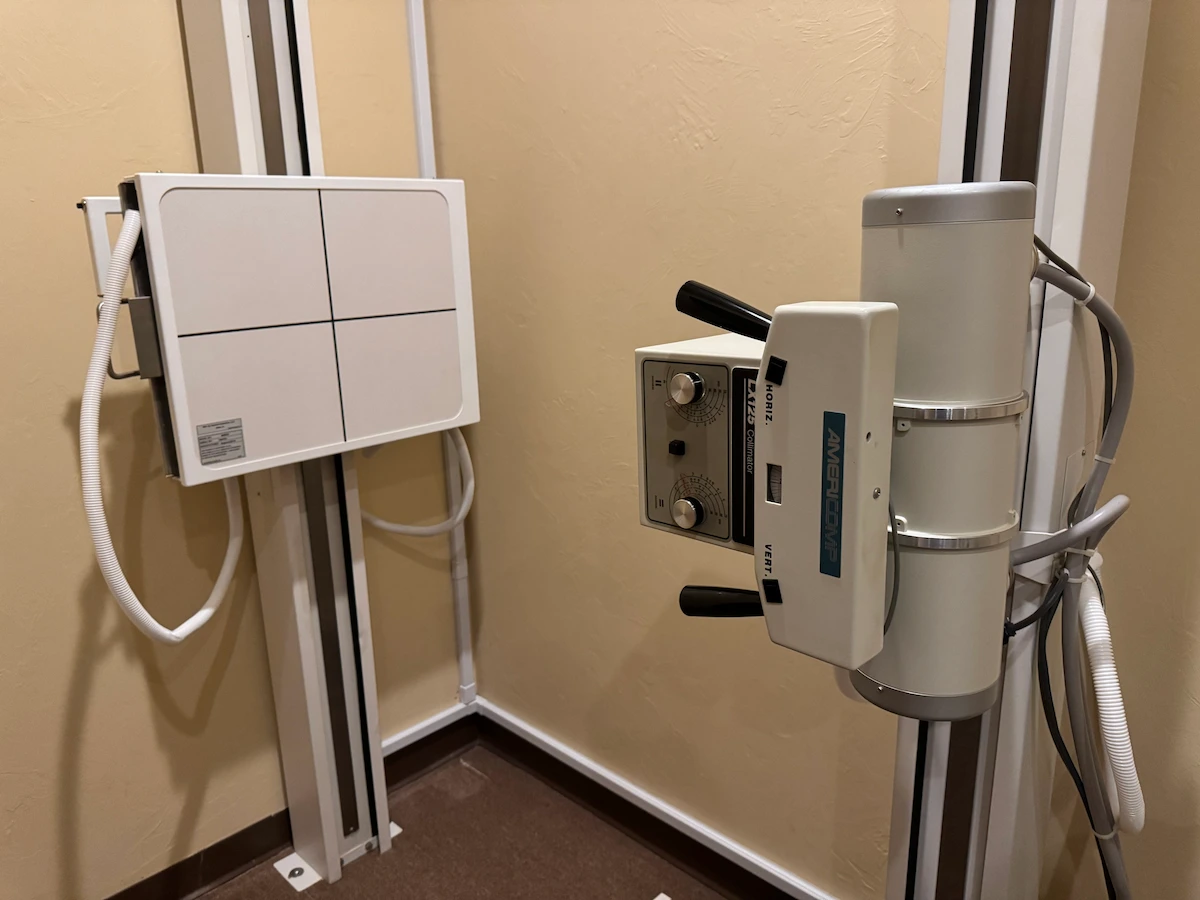
- On-site digital X-rays when indicated
What we’re looking for is any indication of soft tissue damage, spinal segment dysfunction, nerve irritation, or compensatory patterns that have started to develop. Even in patients who feel fine, we often find findings that warrant treatment to prevent later problems.
And if the evaluation finds nothing concerning? That’s valuable information too. You’ll have a documented baseline showing that you were healthy immediately after the accident. If symptoms emerge later, we have a clear comparison point.
The Treatment Approach (If Treatment Is Needed)
For patients who do need treatment, the early phase usually combines several approaches.
Chiropractic adjustments restore proper movement to spinal segments that got jolted out of normal function. Cold laser therapy accelerates tissue healing and reduces inflammation at the cellular level. Therapeutic massage releases the muscle guarding that develops as a protective response to trauma. Targeted rehabilitation rebuilds the strength and movement patterns that protect against re-injury.
This multi-modal approach is part of the R.E.S.T.O.R.E. Method we use at Family Tree Chiropractic. We address the injury at every level, not just the most painful one, and we work toward correction that lasts rather than temporary symptom relief.
Working With Your Insurance and Attorney
If your accident wasn’t your fault, you may be working with a personal injury attorney. We work with personal injury attorneys throughout Oklahoma City on a regular basis and understand how to document your care in a way that supports your legal case.
Our notes are thorough. Our imaging is on-site and properly documented. Our treatment records clearly show the injuries, the care provided, and the progress (or lack thereof) over the course of treatment. This is the kind of documentation that matters when an insurance adjuster or opposing attorney is reviewing your case.
For more on what to do in the days following a collision, see our detailed post on what to do immediately after a car accident in Oklahoma City.
Frequently Asked Questions
How quickly after an accident should I be evaluated?
Ideally within 24 to 72 hours, even if you have no symptoms. The earlier we can establish a baseline and identify any developing issues, the better the outcomes tend to be.
What if it’s been weeks or months since my accident?
It’s not too late to get evaluated and treated. While early evaluation is ideal, we regularly help patients who waited longer than they should have. Don’t let the time gap discourage you from getting the care you need.
Will my insurance cover chiropractic care after an accident?
In most cases, yes. Oklahoma requires personal injury protection (PIP) coverage on auto policies, and at-fault drivers’ liability coverage typically includes medical care for injuries they caused. We’ll help you understand your specific coverage at your first visit.
What if I refused medical care at the scene of the accident?
That’s actually very common and doesn’t disqualify you from getting care now. Many people refuse on-scene treatment because they don’t feel hurt at the time. That’s exactly the issue this post addresses.
Don’t Wait for Pain to Tell You Something Is Wrong
If you’ve been in a car accident in Oklahoma City, regardless of how you feel, the right move is a thorough evaluation. Family Tree Chiropractic will find what’s happening below the surface, document the findings clearly, and help you prevent small issues from becoming chronic ones.
Call us at (405) 340-4400 or request your evaluation online. New patients receive our $49 comprehensive special, including consultation, adjustment, X-ray, cold laser, and a massage voucher.