
For anyone pursuing a personal injury claim after a car accident, the medical documentation of your whiplash injury is often the most important factor in the outcome of your case. Insurance adjusters and opposing attorneys scrutinize medical records closely, looking for any reason to minimize the injury or question the connection to the accident. At Family Tree Chiropractic in Oklahoma City, we understand what proper whiplash documentation requires and we work alongside personal injury attorneys throughout the OKC metro to provide the kind of records that support a strong claim.
Why Whiplash Cases Are Documentation-Sensitive
Whiplash is one of the most common injuries from auto accidents, but it’s also one of the most contested in personal injury claims. Here’s why.
Whiplash involves soft tissue damage to the cervical spine, including muscle strain, ligament sprain, and sometimes disc irritation. None of this shows up on a standard X-ray. There’s no fracture for the radiologist to point to. The injury is real and clinically obvious to an experienced provider, but it doesn’t produce the kind of imaging findings that make insurance companies pay easily.
Because of this, insurance adjusters often try to minimize whiplash claims by arguing that the symptoms are exaggerated, pre-existing, or unrelated to the accident in question. Strong documentation closes those arguments off. Weak documentation leaves them wide open.
I’ve been treating whiplash cases for 23 years, and my Advanced Competency in Whiplash and Brain Traumatology from the Spine Research Institute of San Diego informs how I evaluate and document these injuries. The research on whiplash mechanics, diagnostic criteria, and clinical findings is well-established, and proper documentation reflects that body of knowledge.
What Proper Whiplash Documentation Includes
When an accident patient comes to Family Tree Chiropractic, our evaluation produces records that document each piece of the clinical picture in detail. This includes:
1. Mechanism of Injury
The first thing we document is what actually happened in the accident. Direction of impact, estimated speed, your body position at impact, whether you saw the collision coming, whether your head hit anything, and any immediate symptoms. This detail matters because it establishes the biomechanical basis for the injuries you’re claiming. A rear-end collision at 25 mph creates very specific forces on the cervical spine, and clinical findings consistent with those forces support causation.
2. Initial Symptom Onset and Progression
We carefully document when symptoms began. This is particularly important for whiplash because, as we cover in our post on hidden auto accident injuries that appear days later, symptoms often emerge 24 to 72 hours after the accident due to the body’s initial protective response. Insurance companies sometimes try to use delayed onset as evidence that injuries are unrelated to the accident, when in fact delayed onset is medically well-documented.
3. Complete Clinical Examination
Our records include findings from a full neurological examination, orthopedic testing, range-of-motion measurements (with specific degrees), muscle testing, and palpation findings. Each of these provides objective evidence of injury that an experienced reviewer can verify.
4. Diagnostic Imaging
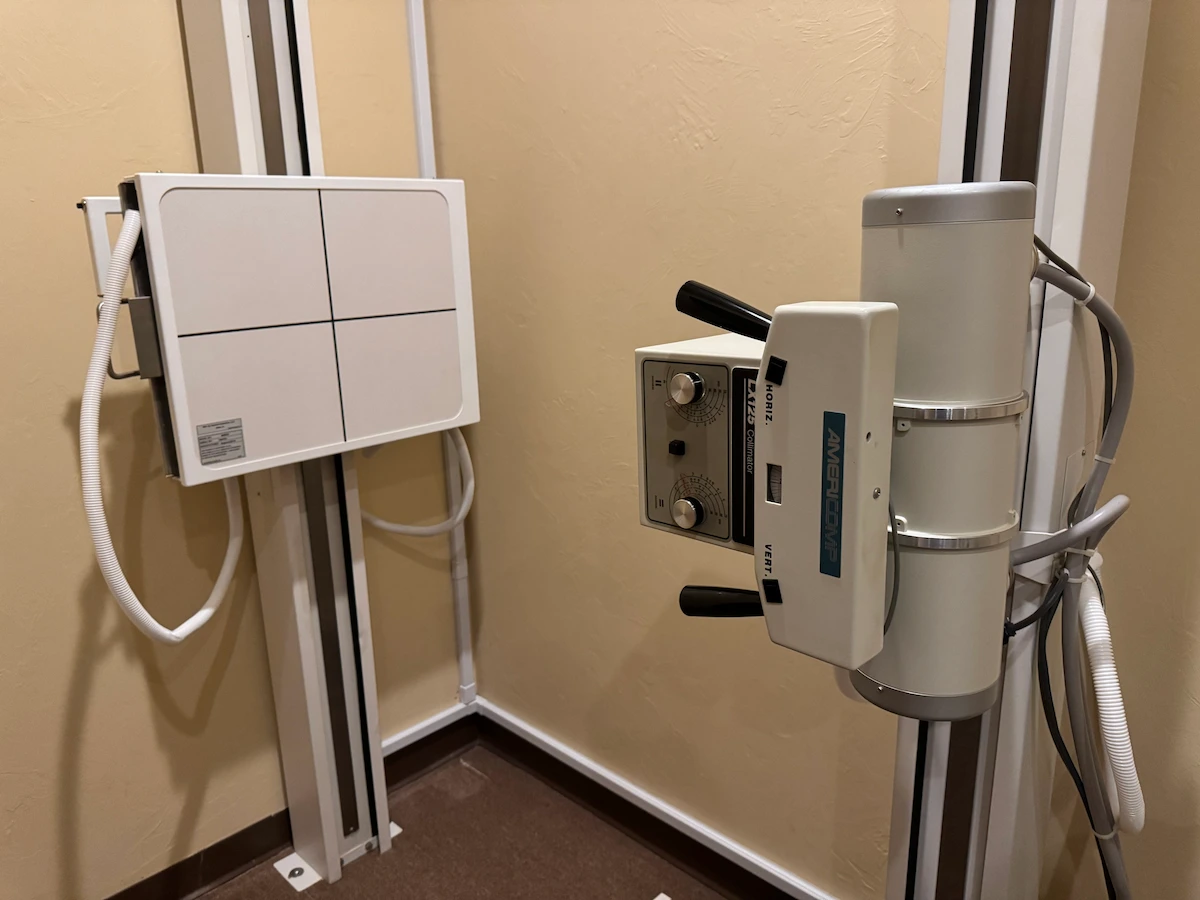
On-site digital X-rays are part of our initial workup. While X-rays don’t show soft tissue injuries directly, they rule out fractures, evaluate spinal alignment, and can show indirect evidence of soft tissue injury such as loss of normal cervical curvature or muscle spasm patterns. If MRI is indicated, we coordinate that imaging and integrate the findings into the record.
5. Treatment Plan and Rationale
Our records document not just what we found, but our clinical reasoning for the treatment plan. This shows that the care provided was medically appropriate for the documented injuries, which is the standard insurance adjusters and attorneys apply when evaluating whether treatment costs are reimbursable.
6. Progress Documentation
Throughout treatment, we document progress at regular intervals. This shows how the injuries responded to care, when symptoms resolved, and when patients reached maximum medical improvement. Strong progress notes prevent insurance companies from arguing that treatment continued unnecessarily.
The Records Insurance Companies Look For
Personal injury insurance claims often come down to a few specific questions, and the documentation needs to address them clearly.
Was the patient actually injured? Objective clinical findings, positive orthopedic tests, neurological abnormalities, and imaging that supports the diagnosis answer this question.
Were the injuries caused by this specific accident? Documented mechanism of injury, the temporal relationship between the accident and symptom onset, and findings consistent with the forces involved address this.
Was the treatment reasonable and necessary? Clinical reasoning, appropriate scope of care, and documented progress justify the treatment plan.
How significantly was the patient affected? Functional limitations, time missed from work, ongoing symptoms, and any permanent impairment all factor in here.
When a clinic produces records that clearly address each of these questions with proper detail, the claim has a much stronger foundation. When records are vague or incomplete, the insurance company has room to question every aspect of the case.
How We Work With Personal Injury Attorneys
Our practice receives regular referrals from personal injury attorneys throughout Oklahoma City, and we’ve developed efficient working relationships with several law firms in the area. Here’s how that typically looks:
When a patient is represented by an attorney, we coordinate directly with the legal team as appropriate. We provide complete medical records, treatment summaries, and any other documentation needed for the case. If a deposition or expert opinion is required, we make ourselves available within reason.
We’re also able to work on what’s called a medical lien in some cases, where treatment costs are billed against the future settlement rather than requiring upfront payment. This arrangement is set up between the patient, their attorney, and our office. Not every case is appropriate for this approach, but for clear-fault accidents with attorney representation, it can remove the financial barrier to getting the care you need.
Whether you’re represented by an attorney or handling your claim independently, we provide the same thorough documentation. The records support the case regardless of who’s handling the legal side.
Common Documentation Mistakes That Hurt Claims
Patients often unknowingly make decisions that complicate their personal injury claims. Some of the most common:
Gaps in Treatment
Long gaps between accident and initial care, or extended gaps between visits during active treatment, give insurance companies an argument that the injuries weren’t significant. Consistent, appropriate care frequency tells a different story.
Inconsistent Symptom Reporting
If symptoms reported to one provider don’t match what’s reported to another, it creates inconsistencies that adjusters use to question credibility. Honest, consistent reporting across all providers matters.
Settling Too Early
Whiplash injuries can take weeks or months to fully manifest and respond to treatment. Settling the claim before you know the full extent of injury and treatment cost leaves you responsible for any ongoing care needed afterward.
Choosing Providers Who Don’t Understand Personal Injury
Some providers see injury patients but don’t produce the kind of detailed documentation that personal injury cases require. The treatment may be perfectly good, but the records aren’t built to support a claim. Choosing a provider who understands the documentation requirements of personal injury work makes a meaningful difference.
What to Do Right After a Collision
If you’ve just been in an accident, the immediate steps you take affect both your physical recovery and your potential claim. For a thorough walkthrough, see our post on what to do immediately after a car accident in Oklahoma City.
The short version: prioritize your safety, document the scene if possible, get evaluated even if you feel fine, and don’t give recorded statements to insurance companies without legal guidance. Get to a provider who understands whiplash and accident injuries within 72 hours when possible.
Frequently Asked Questions
Do I need to have visible injuries to file a personal injury claim?
No. Soft tissue injuries like whiplash are real, documented medical conditions even though they don’t show up on X-rays. Proper clinical documentation establishes the injury for the purposes of a claim.
How long do I have to file a personal injury claim in Oklahoma?
Oklahoma’s statute of limitations for personal injury claims is generally two years from the date of the accident. However, certain situations can affect this timeline. Specific legal questions should be directed to a personal injury attorney.
Will seeing a chiropractor first hurt my case?
No. Chiropractic care is recognized as appropriate first-line treatment for soft tissue injuries from accidents. In fact, the documentation a thorough chiropractic evaluation produces often strengthens a personal injury case significantly.
What if I don’t have a personal injury attorney yet?
That’s fine. Many of our patients come in before they’ve engaged legal representation. We can refer you to attorneys in Oklahoma City we’ve worked with, or you can find your own. Either way, we produce the documentation your case needs.
Get the Documentation Your Case Deserves
If you’ve been in a car accident and are dealing with whiplash symptoms, the records produced at this stage matter for years to come. Family Tree Chiropractic in Oklahoma City provides the thorough evaluation, evidence-based treatment, and detailed documentation that supports both your recovery and any personal injury claim.
Call us at (405) 340-4400 or schedule your evaluation online. We’re experienced with personal injury cases and ready to help you take the right next step.