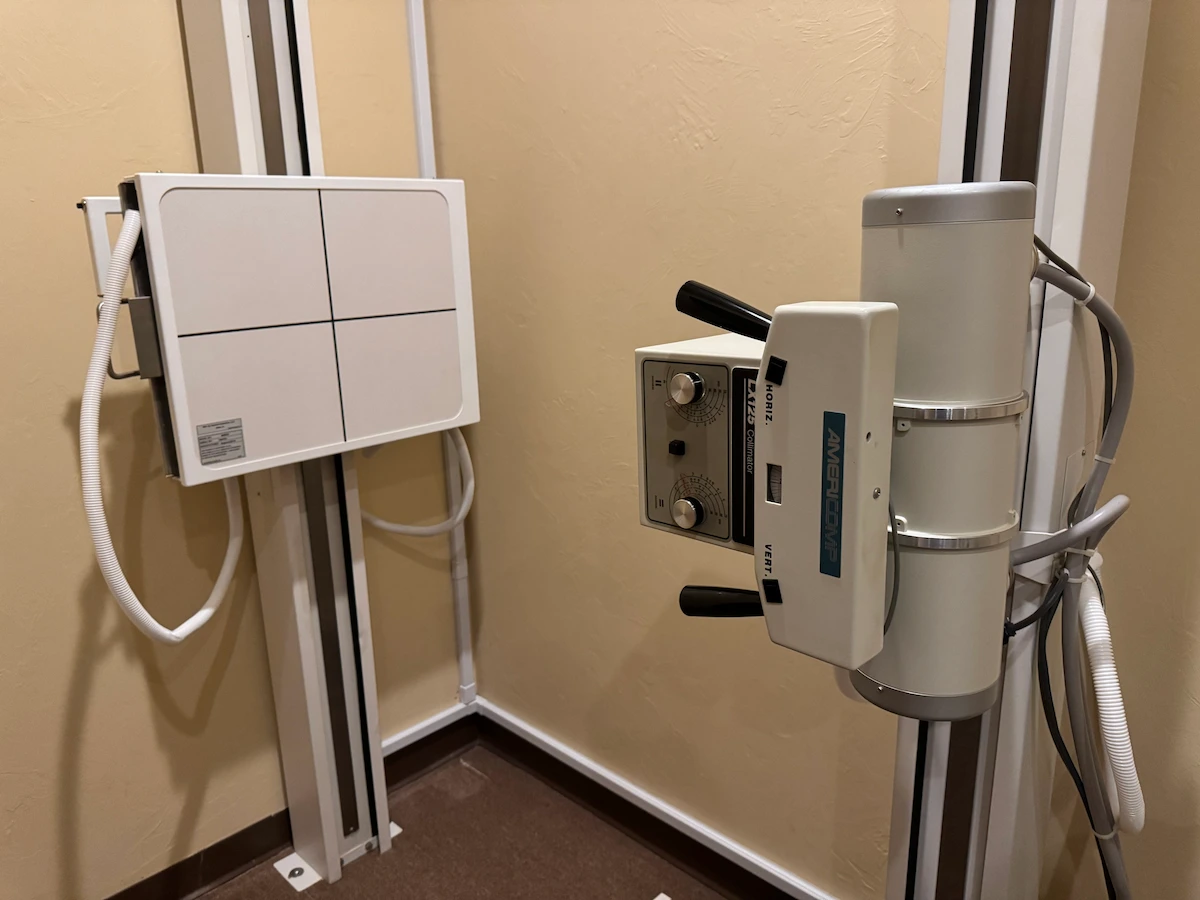

Degenerative disc disease causes chronic back or neck pain as spinal discs naturally lose height and cushioning with age, but comprehensive treatment including spinal decompression, chiropractic care, and targeted exercises can significantly reduce pain and maintain function. At Family Tree Chiropractic in Oklahoma City, Dr. Micah Carter helps patients live active lives despite disc degeneration, with most experiencing 60-80% pain reduction within 8-12 weeks. The condition is progressive but manageable with proper care.
Understanding Degenerative Disc Disease
Degenerative disc disease isn’t really a disease. It’s the natural aging process of spinal discs. Everyone’s discs degenerate to some degree as they age. Not everyone develops painful symptoms.
Your spinal discs are shock absorbers between vertebrae. They’re made of tough outer rings surrounding a gel-like center. Over time, discs lose water content, becoming thinner and less flexible.
As discs degenerate, they provide less cushioning. Vertebrae move closer together. Small tears can develop in the disc’s outer ring. These changes can cause significant pain, though the severity varies widely between people.
Common Symptoms
Pain is the primary symptom most people notice. The pain might be constant or come and go. It often worsens with sitting, bending, or twisting. Standing and walking sometimes feel better than sitting.
Some people experience radiating pain into their legs or arms depending on which discs are affected. Lower back disc degeneration can cause leg pain. Neck disc degeneration creates arm pain and numbness.
Pain often increases after activity but improves with rest. Morning stiffness is common. Your spine feels tight when you first wake up, then loosens somewhat as you move throughout the day.
When Symptoms Become Severe
Some people with degenerative disc disease develop severe pain episodes. These flare-ups can last days or weeks. Movement becomes extremely limited during flares.
Progressive symptoms suggest the degeneration is advancing. Increasing pain frequency, longer flare-ups, or new neurological symptoms like numbness warrant immediate evaluation.
What Causes Disc Degeneration
Age is the primary factor. Disc degeneration starts in your 30s for most people, though symptoms might not appear until later. By age 60, most people show significant disc degeneration on imaging.
Genetics play a role. Some families experience more severe disc degeneration than others. If your parents had disc problems, you’re at higher risk.
Previous injuries accelerate degeneration at affected levels. A herniated disc in your 20s often leads to degenerative changes at that level by your 40s or 50s.
Lifestyle Factors
Smoking accelerates disc degeneration. Nicotine reduces blood flow to discs, impairing their ability to heal from daily wear and tear.
Obesity increases stress on spinal discs, particularly in the lower back. Excess weight accelerates degenerative changes over time.
Repetitive heavy lifting or vibration exposure, like truck drivers experience, speeds disc degeneration. Jobs requiring frequent lifting, bending, or twisting are risk factors.
How Degenerative Disc Disease Differs from Other Conditions
Unlike a herniated disc which is an acute injury, degenerative disc disease develops gradually over years. The pain pattern differs too. Herniated discs often cause sharp, shooting pain. Degenerative disc disease typically creates more constant, aching discomfort.
Arthritis often coexists with disc degeneration but involves different structures. Arthritis affects the facet joints between vertebrae. Disc degeneration affects the cushioning structures between vertebral bodies.
Spinal Decompression for Disc Degeneration
Spinal decompression therapy gently stretches your spine to reduce pressure on degenerated discs. This creates negative pressure that allows discs to rehydrate and heal to whatever extent possible.
The computer-controlled table applies gentle traction cycles. This increases space between vertebrae, taking pressure off damaged discs and compressed nerves.
While decompression can’t reverse decades of degeneration, it can significantly reduce pain and improve function. Many patients avoid surgery through regular decompression treatments.
What Decompression Accomplishes
Decompression increases nutrient and oxygen flow into degenerated discs. Better circulation supports whatever healing capacity remains in damaged discs.
The negative pressure can help discs regain some lost height. Even small increases in disc height reduce pain and improve mobility.
Most degenerative disc patients need 20-30 decompression sessions over 8-12 weeks. Some cases require more, especially severe multi-level degeneration.
Chiropractic Care for Degenerative Discs
Chiropractic adjustments maintain optimal spinal mechanics despite disc degeneration. When your spine moves properly, degenerated discs don’t have to work as hard.
Adjustments reduce compensatory stress on discs. When one segment degenerates, adjacent segments often compensate. This accelerates degeneration at those levels. Proper alignment distributes stress more evenly.
I use gentle techniques appropriate for degenerative spines. We’re not forcing stiff joints but restoring proper motion within comfortable ranges.
Preventing Adjacent Segment Disease
Adjacent segment disease occurs when segments next to degenerated discs break down faster than normal. Regular chiropractic care helps prevent this by maintaining function throughout your spine.
By keeping all spinal segments moving well, we reduce excessive stress on any single level. This slows the progressive nature of disc degeneration.
Exercise and Rehabilitation
Core strengthening is critical for managing degenerative disc disease. Strong core muscles support your spine, reducing stress on damaged discs.
I provide specific exercises based on which discs are affected and your current function. Lower back disc degeneration needs different exercises than neck disc problems.
Flexibility exercises maintain spinal mobility. Gentle stretching prevents the progressive stiffness that often accompanies disc degeneration.
Activity Modification
Certain activities aggravate degenerative discs more than others. Heavy lifting, prolonged sitting, and repetitive bending often increase pain.
Learning proper body mechanics reduces disc stress during daily activities. How you lift, bend, and sit matters enormously for managing disc pain.
Low-impact activities like walking, swimming, and cycling maintain fitness without excessive disc stress. High-impact activities often need modification or avoidance.
Managing Pain Flare-Ups
Even with good management, flare-ups happen. Knowing how to handle them prevents escalation into severe episodes.
Rest during acute flares, but not complete bed rest. Gentle movement prevents stiffness from developing. Short walks often help more than lying down all day.
Ice reduces inflammation during acute flares. Apply ice for 15-20 minutes several times daily during the first 48 hours of increased pain.
When to Call for Help
Some flares need immediate attention. Severe pain that doesn’t respond to usual management suggests significant problems.
New neurological symptoms like numbness, tingling, or weakness warrant prompt evaluation. These could indicate disc herniation or nerve compression requiring immediate treatment.
The Role of Weight Management
Excess weight accelerates disc degeneration, especially in the lower back. Every pound of body weight creates multiple pounds of force on your lumbar discs.
Losing even 10-15 pounds significantly reduces disc stress. This slows degeneration progression and often reduces pain substantially.
Weight loss also improves your ability to exercise and stay active. Better activity tolerance creates a positive cycle of improved function.
Anti-Inflammatory Nutrition
Certain foods promote inflammation that worsens disc pain. Reducing inflammatory triggers through diet can complement other treatments.
Omega-3 fatty acids from fish reduce inflammation. Colorful fruits and vegetables provide antioxidants that combat inflammatory processes.
Avoiding processed foods, excess sugar, and trans fats reduces inflammatory triggers. While diet alone won’t fix degenerative discs, it supports overall treatment.
Realistic Expectations
Degenerative disc disease can’t be cured. The degeneration that’s occurred is permanent. We need to be honest about this limitation.
What we can do is significantly reduce pain, maintain function, and slow progression. Most patients achieve 60-80% pain reduction through comprehensive care.
Some patients return to activities they thought they’d never do again. Others maintain current function that would otherwise decline. Success means living well despite disc degeneration, not eliminating all degeneration.
Long-Term Management
Degenerative disc disease requires ongoing management. This isn’t a condition you fix and forget. Regular care maintains improvement and prevents escalation.
Most patients benefit from periodic decompression sessions even after completing intensive treatment. Monthly or every-other-month treatments prevent symptom return.
Continued exercises and proper body mechanics become permanent lifestyle components. The work you do at home matters as much as office treatments.
When Surgery Becomes Necessary
Most degenerative disc disease doesn’t require surgery. But severe cases sometimes do need surgical intervention for best outcomes.
Spinal fusion removes the degenerated disc and fuses adjacent vertebrae together. This eliminates motion at that segment, which can reduce pain but creates stress on adjacent levels.
Artificial disc replacement is newer technology that maintains some motion. Not everyone is a candidate for this option.
Conservative Care Before Surgery
Even if surgery eventually becomes necessary, attempting conservative care first makes sense. You can always choose surgery later if conservative treatment fails.
But you can’t undo surgery if it doesn’t work or creates new problems. Trying comprehensive conservative care first is the prudent approach.
Real Patient Success Stories
I treated a 55-year-old with severe multi-level lumbar disc degeneration. His pain was constant, limiting work and all activities. His surgeon recommended fusion surgery.
Through intensive spinal decompression, adjustments, core strengthening, and weight loss of 25 pounds, his pain reduced by 75%. That was two years ago. He’s maintained improvement with monthly maintenance care.
Another patient had cervical disc degeneration causing arm pain and hand numbness. She couldn’t work at her computer job without severe symptoms.
Cervical decompression, adjustments, and ergonomic corrections eliminated her symptoms. She returned to work full-time and avoided the cervical fusion her neurosurgeon recommended.
Preventing Progression
While you can’t stop disc degeneration completely, you can slow it significantly. Maintaining healthy weight reduces mechanical stress on discs.
Regular chiropractic care keeps your spine functioning optimally. Good biomechanics throughout life reduces excessive wear on any single disc.
Staying active through appropriate exercise maintains disc nutrition. Movement pumps fluids in and out of discs, bringing nutrients and removing waste products.
Living Well with Degenerative Disc Disease
Degenerative disc disease doesn’t have to control your life. With proper management, most people maintain excellent function and acceptable pain levels.
The key is proactive management rather than reactive crisis care. Regular treatments, consistent exercises, and healthy lifestyle choices prevent severe flare-ups.
You’re not “living with pain” but actively managing a chronic condition. There’s an important difference in mindset and outcomes.
Cost Comparison
Spinal fusion surgery costs $60,000-100,000 or more. Recovery takes 3-6 months with no guarantee of success. Some patients get worse after surgery.
Comprehensive conservative care costs significantly less, even without insurance. Most patients spend $2,000-4,000 for complete treatment that often avoids surgery entirely.
Our $49 new patient special includes consultation, examination, first treatment, and digital X-rays if needed. This gives you thorough evaluation so we can assess whether conservative treatment is right for your disc degeneration.
Why Choose Family Tree Chiropractic
In my 23 years treating patients in Oklahoma City, I’ve worked extensively with degenerative disc disease. I understand the progressive nature of the condition and realistic goals for conservative care.
We have the equipment and expertise for comprehensive disc degeneration management. Our spinal decompression table, combined with adjustments and rehabilitation, provides complete care.
I actually enjoy treating difficult cases like multi-level disc degeneration. When patients have been told surgery is their only option, showing them conservative alternatives that work is incredibly satisfying.
Getting Started with Treatment
Your first visit includes comprehensive evaluation of your disc degeneration. We review any MRI or X-ray images you have to see the extent of degeneration.
We assess your symptoms, functional limitations, and treatment goals. Then we create a customized treatment plan based on your specific condition.
On your second visit, I provide detailed explanation of findings. You’ll understand your disc degeneration, what we can realistically accomplish, and the treatment timeline to expect.
Don’t accept constant pain as inevitable with disc degeneration. Call Family Tree Chiropractic at (405) 340-4400 to schedule your evaluation with Dr. Carter. We’ll assess your degenerative disc disease and create a comprehensive management plan. Visit our contact page to book online.